
How To
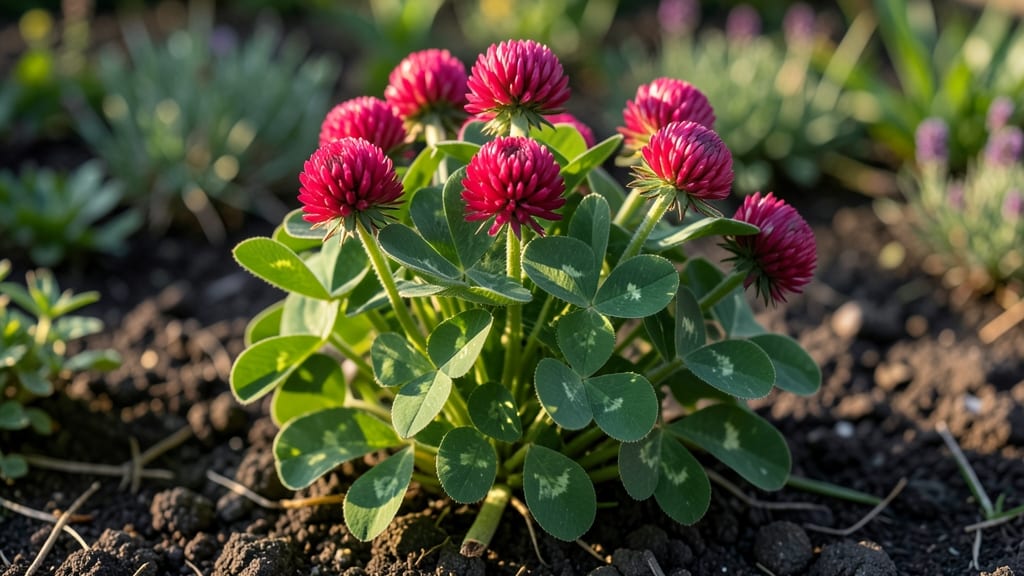
If you're wondering "how tall does crimson clover grow", the answer might surprise you—this vibrant 🌸 plant can range from just 1 foot to over 3 feet, depending on the variety and growing conditions.
Whether you're planting it for pollinators, erosion control, or soil enrichment, understanding its growth habits is key to making the most of this versatile legume.
Crimson clover thrives in USDA Zone 6a and beyond, but its height isn’t set in stone. Some varieties, like the compact 'Dixie,' stay shorter, while others, like the classic 'Tilford,' can stretch taller.
The right soil, sunlight, and care can even push it toward its full potential—or trim it back if you prefer a neater look.
One of the best parts? Crimson clover grows quickly, making it perfect for spring planting (March–April) and ready for harvest by late spring or early summer.
Whether you're managing it as a cover crop, a pollinator magnet, or a forage source, knowing how to control its height will help you get the results you want without overgrowth.
Ready to learn how to maximize—or adjust—its growth? I’ll break down the exact factors that influence its height, plus tips for keeping it at your ideal size. Let’s get started!


Crimson clover height by variety: exact growth ranges and key differences
Crimson clover (Trifolium incarnatum) is a versatile plant that thrives in USDA zones 6-10, but its height can vary wildly depending on the variety you choose.
Whether you're planting for pollinator support, soil enrichment, or livestock forage, understanding these differences helps you pick the perfect type for your needs. Let’s break down the most common varieties and their mature heights.
The average height range for crimson clover is 1 to 3 feet, but some varieties stay compact while others grow taller. For example, 'Dixie' and 'Tilford' are popular choices for their predictable growth, while 'Mountain' varieties can reach their maximum height faster.
Your choice will impact everything from pollinator access to erosion control effectiveness.
Here’s a quick comparison of the most widely planted varieties and their typical mature heights:
| Variety | Mature Height | Growth Habit | Best For |
|---|---|---|---|
| Dixie | 1.5–2.5 ft | Upright, bushy | Pollinators, forage |
| Tilford | 2–3 ft | Tall, spreading | Erosion control, soil cover |
| Mountain | 1–2 ft | Compact, dense | Small gardens, pollinator plots |
| Aurora | 2.5–3 ft | Tall, vigorous | Large-scale forage, wildlife habitat |
If you're planting crimson clover for pollinators, the shorter varieties like 'Mountain' (1–2 ft) work best because bees and butterflies can easily access the vibrant red flowers.
On the other hand, taller varieties like 'Aurora' (2.5–3 ft) are ideal for erosion control on slopes or as a livestock forage crop.
Another key factor is growth speed. Crimson clover grows rapidly in spring, often reaching 50% of its mature height within 6–8 weeks under ideal conditions. This makes it perfect for quick soil cover or temporary ground cover before it flowers and sets seed.
If you’re using it as a cover crop, you might want to harvest or mow it back before it fully matures to prevent seed spread.
For urban gardens or small plots, I recommend sticking with 'Dixie' or 'Mountain' varieties—they stay neater and are easier to manage. In contrast, larger farms or wildlife habitats benefit from the taller 'Tilford' or 'Aurora' types, which provide more biomass and better winter hardiness.
One common mistake gardeners make is assuming all crimson clover grows the same height. Overcrowding or poor soil drainage can stunt growth, while rich, well-drained soil and full sun exposure encourage taller, healthier plants. Always check the seed packet for variety-specific height ranges to avoid surprises.
If you’re unsure which variety to pick, start with 'Dixie'—it’s the most versatile and widely available, making it a safe bet for beginners. For specialized uses, like beekeeping support or steep slope stabilization, consult local agricultural extensions for region-specific recommendations.
🌸
How soil, climate, and care affect crimson clover height growth
Crimson clover's height isn't set in stone—it shifts based on your soil quality, sunlight exposure, and watering habits. For example, well-drained, nutrient-rich soil can push 'Dixie' variety clover to its 3-foot maximum, while poor soil may keep it under 2 feet.
Think of it like a plant with adjustable growth settings!
Full sun (6+ hours daily) is non-negotiable for maximum height, but even partial shade can reduce growth by 30-50%. If you're growing crimson clover for pollinator plots, slightly taller plants (2.5-3 ft) attract more bees, while shorter varieties (1-2 ft) work better for ground cover in tight spaces.
Watering plays a sneaky role too. Overwatering can lead to leggy, weak stems that flop over, while drought stress stunts growth. Aim for 1 inch of water weekly—deep soaks encourage stronger root systems that support taller plants. Mulching with straw helps maintain moisture without smothering the clover.
Your climate zone matters too. In cooler regions (USDA Zones 6-8), crimson clover matures slower, staying shorter (1-2 ft) until late summer. Warmer climates (Zones 9+) can push it to 3 feet in just 60 days.
If you're in a hot, dry area, consider drought-tolerant varieties like 'Mountain' to avoid height loss.
- 🌞 Sunlight: Full sun = 2.5-3 ft; partial shade = 1.5-2 ft
- 💧 Water: Overwatering = weak stems; drought = stunted growth
- 🌡️ Climate: Cooler zones = slower growth; warm zones = faster, taller
- 🌱 Soil: Nutrient-rich = 3 ft max; poor soil = 1.5-2 ft
- ✂️ Pruning: Cut back 1/3 height to encourage bushier growth
To fine-tune height for your needs, try light pruning in early spring. Trimming back one-third of the plant's height encourages bushier, more compact growth—ideal for pollinator gardens.
For erosion control, let it grow taller (2.5-3 ft) to create a dense, root-rich barrier. Just avoid heavy pruning after flowering, as it reduces seed production.
If your crimson clover is growing too tall too quickly, it may need less nitrogen. This legume fixes its own nitrogen, so over-fertilizing can lead to excessive foliage at the expense of flowers. Instead, focus on phosphorus-rich compost to support root and flower development without promoting height spikes.
Remember, crimson clover's height flexibility is one of its superpowers. Whether you need a short pollinator border or a tall erosion buffer, tweaking these factors lets you shape its growth to fit your garden's needs—no guesswork required!