
How To
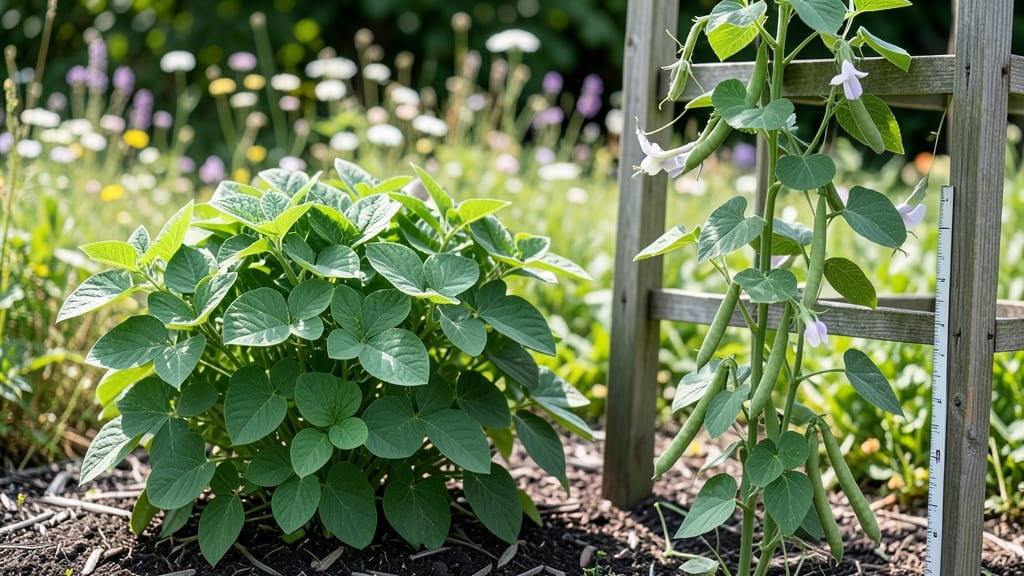
If you're planning your green bean garden this spring, one of the first questions you'll ask is how tall does green beans grow—because that decision can make or break your harvest. Some varieties stretch skyward like vertical fireworks, while others stay neatly contained like compact shrubs.
The difference isn't just about space; it affects how you'll care for them, how much you'll harvest, and even how they taste.
Pole beans 🌱 can climb 6 to 12 feet with the right support, turning your garden into a lush green tower, while bush beans typically top out at just 1 to 3 feet.
That might seem like a small difference, but it changes everything from trellis setup to pest control. Let me show you exactly how these height variations impact your garden—and which type might be the perfect fit for your space.
For those working with limited square footage, bush beans offer a low-maintenance solution that still delivers big yields. Meanwhile, pole beans reward patient gardeners with continuous production all season long. Whether you're a first-time grower or a seasoned pro, understanding these growth patterns is the key to maximizing your harvest.
Ready to pick the right variety for your garden? I'll walk you through the best options for both types, plus essential tips for supporting those towering vines or keeping bush varieties thriving. Let's get growing!


Pole green beans height guide: how tall they grow and why it matters
If you’ve ever watched green bean vines shoot skyward like jungle vines, you’re not imagining things—pole green beans can grow 5 to 12 feet tall, depending on the variety and growing conditions. That’s taller than a basketball hoop in some cases!
Their vertical growth isn’t just impressive; it’s a game-changer for yield, space efficiency, and even pest control. But before you plant, let’s break down what this means for your garden.
Pole beans thrive by climbing, which allows them to produce more pods per plant than their bush counterparts. The extra height means better access to sunlight for the upper leaves, leading to longer harvest seasons and higher productivity.
However, this vertical growth also means you’ll need to invest in trellises, stakes, or cages to support those lanky stems. Without support, vines can sprawl, leading to tangled messes and lower yields.
The fastest-growing pole varieties, like 'Contender' or 'Kentucky Wonder', can reach 8 feet in just 60 days. These varieties are perfect for small gardens or urban spaces where vertical gardening saves precious square footage.
Even in USDA Zone 6a, where frost-free days average 165 days, pole beans can keep producing until late summer if given proper support.
Here’s the catch: taller vines mean more exposure to wind damage and pests like bean beetles. But the good news? The higher pods are off the ground, reducing soil-borne diseases and slug damage.
Plus, climbing beans naturally space themselves out, reducing competition for nutrients compared to crowded bush varieties.
| Variety | Height Range | Days to Mature | Yield Potential |
|---|---|---|---|
| 'Contender' | 8–10 ft | 55–60 days | High (long harvest) |
| 'Kentucky Wonder' | 6–8 ft | 60–65 days | Very High (classic heirloom) |
| 'Blue Lake Pole' | 5–7 ft | 50–55 days | Moderate (early producer) |
| 'Rattlesnake' | 10–12 ft | 65–70 days | Very High (disease-resistant) |
For small gardens, consider tiered trellises or cattle panels to maximize vertical space. A 6-foot trellis can support multiple plants, while a 10-foot pole (like those used for 'Rattlesnake' beans) can even lean against a fence.
Just ensure your support structure is sturdy and wide enough—nothing’s worse than watching your hard work collapse mid-season!
One common mistake is assuming all pole beans need the same height. 'Blue Lake Pole', for example, tops out at 5–7 feet, making it ideal for balcony gardens or raised beds.
Meanwhile, 'Rattlesnake' beans can climb 12 feet, perfect for large backyard gardens or even greenhouse setups. Always check the seed packet for height estimates—it’s your roadmap to success.
If you’re new to growing pole beans, start with a 5-foot trellis and a fast-maturing variety like 'Blue Lake Pole'. This gives you time to troubleshoot any issues before the first frost. And remember: prune regularly to encourage bushier growth and better airflow, which reduces disease risk.
With the right support and care, your pole beans will reward you with a bountiful, vertical harvest that’s the envy of the neighborhood.
🌱
Bush green beans height: compact growth and space-saving benefits
If you’re working with limited garden space, bush green beans are your best friend. These varieties stay compact (1–3 feet tall), making them perfect for containers, small plots, or even high-density planting.
Their shorter stature means less maintenance—no trellises needed—and they produce pods quickly, often ready to harvest in just 50–60 days.
Their low-growing habit also means better air circulation around plants, reducing fungal diseases like rust or powdery mildew. Plus, you can fit more plants in a smaller area, boosting your yield per square foot.
For example, Blue Lake Bush stays under 2 feet, while Contender (a semi-bush type) reaches about 3 feet.
| Variety | Height | Spacing | Best For |
|---|---|---|---|
| Blue Lake Bush | 1–2 ft | 4–6 inches apart | Containers, small gardens |
| Kentucky Wonder (semi-bush) | 3–4 ft | 6–8 inches apart | Trellis or bush planting |
| Provider | 2–3 ft | 4–6 inches apart | High-density planting |
Bush beans also mature faster than pole varieties, giving you an earlier harvest. This makes them ideal for short growing seasons or cooler climates. Just ensure they get full sun (6+ hours daily)—their compact size doesn’t mean they tolerate shade.
For best results, plant seeds 1 inch deep and 3–4 inches apart in well-draining soil.
One downside? Bush beans produce pods over a shorter window (about 2–3 weeks) compared to pole beans, which can keep yielding for months. If you want a steady supply, consider planting successive crops every 2 weeks or mix bush and pole varieties in your garden.
For container gardening, choose dwarf varieties like Blue Lake Bush and use pots at least 12 inches deep. Place containers in full sun and water consistently—drought stress can reduce pod production. With the right care, bush beans prove that big flavor doesn’t require big space!