
How To
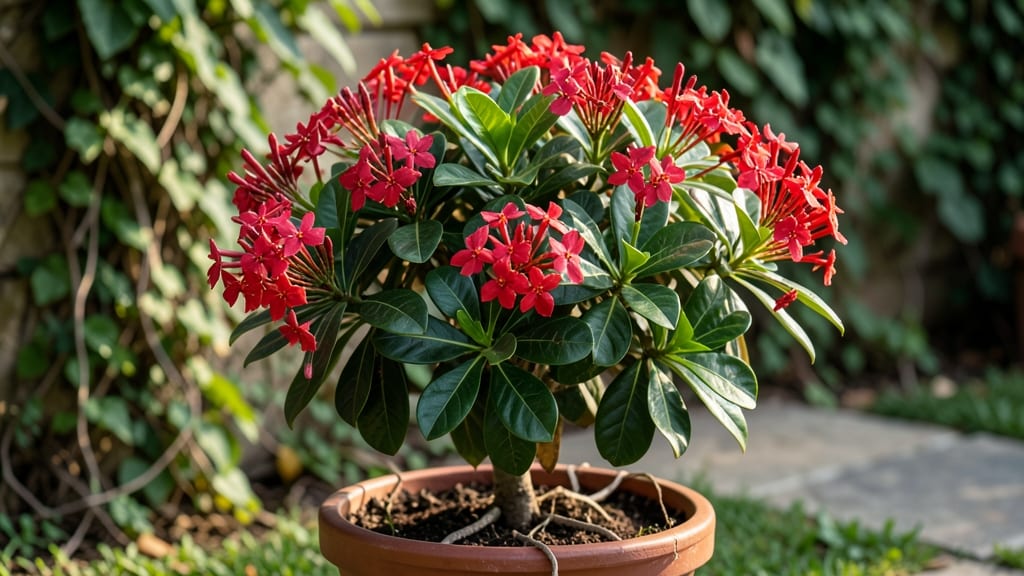
Wondering how tall does ixora grow before it becomes a space hog in your garden? This vibrant 🌺 shrub can surprise you—some varieties stretch up to 6 feet while others stay compact at just 2 feet. The difference comes down to variety, pruning habits, and where you live.
If you're planning borders or hedges, knowing these height ranges is key. A well-pruned ixora can fit neatly alongside patios, while unchecked growth might turn your tropical dream into a jungle. Let’s break down the exact heights by variety so you can choose—or shape—your perfect plant.
Most ixora plants reach their mature size within 3 years, but their final height depends on whether you’re growing a dwarf type or a standard shrub. With the right care, you can control their spread and keep them at your ideal height without sacrificing those stunning blooms.
Ready to pick the perfect size for your garden? I’ll show you how to match varieties to your space and keep them looking their best year after year.


Ixora height ranges by variety: small, medium, and tall options
Ixora plants are stunning tropical shrubs known for their clustered blooms and glossy leaves, but their mature height can vary dramatically depending on the variety you choose.
Most ixora plants reach between 2 to 6 feet tall, but some dwarf varieties stay as short as 1.5 feet, making them perfect for containers or small gardens.
Understanding these height ranges helps you pick the right ixora for your space, whether you want a compact hedge or a tall border plant.
For example, the 'Compacta' variety is one of the smallest, typically growing just 2 to 3 feet tall, while the 'Grandiflora' variety can tower up to 6 feet when left unpruned.
Even within the same variety, factors like pruning habits, sunlight exposure, and soil quality can influence how tall your ixora grows. Let’s break down the most popular ixora varieties by their typical mature heights to help you plan your garden layout.
| Variety | Mature Height (ft) | Best For | Notes |
|---|---|---|---|
| 'Compacta' | 2–3 ft | Containers, small gardens | Dwarf variety, ideal for patios |
| 'Red Showers' | 3–4 ft | Borders, hedges | Bright red blooms, bushy growth |
| 'Grandiflora' | 4–6 ft | Tall hedges, privacy screens | Large flowers, needs regular pruning |
| 'Little Gem' | 2–3 ft | Containers, balconies | Compact, great for small spaces |
| 'Pink Princess' | 3–5 ft | Mixed borders, focal points | Soft pink flowers, moderate growth |
If you’re growing ixora in containers, expect slightly shorter heights due to root restrictions, but they’ll still need space to spread. For instance, a 'Compacta' in a 15-gallon pot might stay around 2 feet tall, while the same variety in the ground could reach 3 feet.
Always check the container size recommendations for your specific variety to avoid root-bound stress.
For gardeners in USDA Zones 9–11, ixora thrives year-round, but in cooler climates like Zone 8, it’s often grown as an annual or potted plant that’s brought indoors in winter.
This shift in growing conditions can also slow height growth, so if you’re in a marginal zone, plan for a slightly smaller mature size unless you provide winter protection.
When planning your garden, consider how ixora’s spreading habit complements its height. Most varieties spread 2 to 3 feet wide, so give them plenty of space to avoid crowding. For example, planting 'Grandiflora' ixora 4 feet apart ensures they fill out beautifully without competing for nutrients.
If space is limited, opt for the 'Compacta' or 'Little Gem' varieties, which stay neatly contained.
One common misconception is that ixora grows taller in shade, but the opposite is true. These plants crave full sun (6+ hours daily) to reach their full height potential and produce the most blooms.
If you notice your ixora growing leggy or sparse, it’s likely due to insufficient sunlight, not genetics. Adjusting its location can help it grow more compact and robust.
For those using ixora as a hedge or privacy screen, aim for varieties like 'Grandiflora' or 'Red Showers', which can be pruned to maintain a uniform height. Start with 3-foot spacing between plants and plan to prune them back by one-third each year to encourage bushier growth.
This technique keeps them at a manageable 4 to 5 feet tall while maximizing their blooming potential.
If you’re unsure which variety to pick, start with 'Compacta' or 'Little Gem' for small spaces, or 'Red Showers' for a medium-height border. For a bold statement, 'Grandiflora' delivers the most dramatic blooms but requires more pruning and space.
Always check the nursery tags for exact height ranges, as some hybrids may vary slightly from the averages listed here.
Remember, ixora’s height is not set in stone—with the right pruning and care, you can keep even the tallest varieties in check. Whether you want a low-maintenance container plant or a tall garden focal point, choosing the right variety is the first step to success. 🌺
Ixora height ranges by variety: small, medium, and tall options
Ixora's mature height varies dramatically by variety, offering options from compact 2-foot shrubs to tall 6-foot specimens. This flexibility makes it perfect for hedges, borders, or even container gardens. Choosing the right size ensures your garden layout stays balanced while maximizing those stunning tropical blooms.
For small gardens, dwarf varieties like 'Compacta' stay between 2-3 feet tall, making them ideal for window boxes or patio planters. Meanwhile, standard varieties such as 'Red Showers' or 'Grandiflora' reach 4-6 feet, perfect for creating bold focal points or privacy screens.
| Variety | Mature Height | Best For |
|---|---|---|
| 'Compacta' | 2-3 ft | Containers, small borders |
| 'Red Showers' | 4-5 ft | Hedges, privacy screens |
| 'Grandiflora' | 5-6 ft | Tropical focal points |
| 'Little Jewel' | 2-3 ft | Patio planters, window boxes |
| 'Pink Princess' | 3-4 ft | Mixed borders, foundation plantings |
Understanding these height differences helps you plan spacing—ixora grows outward as much as upward, so allow 3-4 feet of clearance between plants for airflow and sunlight penetration. In container gardens, dwarf varieties thrive, while taller types need larger pots (15+ gallons) to support their root systems.
If you're using ixora as a hedge or screen, standard varieties like 'Red Showers' create lush, 4-5 foot barriers within 2-3 years. For container growing, prune regularly to maintain compact shapes—this prevents leggy growth and encourages denser blooming throughout the season.
Remember, pruning frequency directly impacts height. Heavy pruning in early spring keeps plants shorter and bushier, while minimal trimming allows them to reach their natural mature height.
For example, 'Grandiflora' left unpruned will top out at 6 feet, but with annual pruning, you can cap it at 4 feet for easier maintenance.
For tropical landscapes, taller ixora varieties create stunning backdrop plants near patios or pool areas. Pair them with shorter ground covers like coleus or caladium to highlight their vertical presence while keeping the space layered and dynamic.