
How To
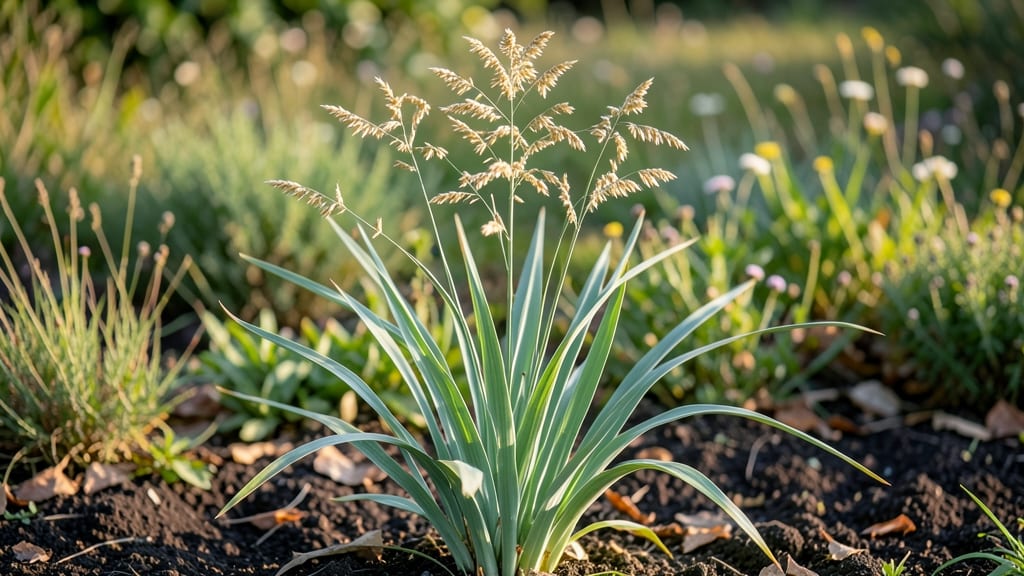
If you're planning a garden and wondering how tall does oat grass grow, you might be surprised to learn this grass can range from just 1 foot to towering over 6 feet depending on the variety and growing conditions.
Whether you're using it as an ornamental feature or for erosion control, understanding its potential height is key to making the most of your space.
Oat grass, with its 🌾 delicate yet sturdy appearance, thrives in USDA Zone 6a and beyond, making it a versatile choice for many gardeners. When planted in spring—ideal between April and May—it can grow rapidly, reaching its mature height by mid-summer.
But don’t let its height fool you; this grass is also known for its adaptability, making it perfect for both small and large landscapes.
Curious about how to manage its growth? Some varieties stay compact, while others can reach impressive heights, so knowing which type you're working with is the first step.
In this guide, I’ll break down the height variations by variety, growth stages, and practical tips to control its size—so you can plan your garden with confidence.
From dwarf types that stay under 2 feet to towering varieties that can exceed 5 feet, oat grass offers flexibility for any design. Whether you're aiming for a low-maintenance border or a dramatic backdrop, understanding its growth patterns will help you achieve the perfect look.
Let’s dive into what you need to know to get the most out of your oat grass!


Oat grass height by variety: from compact to sky-high
Oat grass (Avena sativa and related species) is a fast-growing ornamental grass that can transform any garden—but its mature height varies wildly depending on the variety. Some stay under 2 feet, while others reach 6 feet or taller.
Choosing the right type ensures your landscape stays balanced or dramatic, depending on your vision.
For example, dwarf varieties like Oat Grass 'Blue Boy' stay compact at just 1-2 feet, making them perfect for container gardens or rockeries. Meanwhile, standard types like Oat Grass 'Gigantea' can tower over 6 feet, ideal for backyard privacy screens or wildflower meadows.
Let’s break down the key varieties and their typical heights.
🌾 Visual Comparison: Imagine a standard kitchen counter (~3.5 ft)—most oat grass varieties will surpass this height, while dwarf types stay below it. Some even rival sunflowers in stature, adding vertical interest to your space.
| Variety | Mature Height | Best For | Notes |
|---|---|---|---|
| Oat Grass 'Blue Boy' | 1–2 ft | Containers, borders | Dwarf, blue-green foliage |
| Oat Grass 'Gigantea' | 5–6 ft | Privacy screens, meadows | Tallest variety, bold presence |
| Oat Grass 'Karl Foerster' | 3–4 ft | Perennial borders, pollinator gardens | Upright growth, drought-tolerant |
| Wild Oat Grass (Avena fatua) | 4–5 ft | Naturalized areas, erosion control | Fast-growing, self-seeding |
| Oat Grass 'Byzantina' | 2–3 ft | Cut flower gardens, dried arrangements | Narrow leaves, airy texture |
If you’re planning a low-maintenance garden, dwarf varieties like 'Blue Boy' require minimal space and less frequent pruning. On the other hand, taller types like 'Gigantea' demand more room and regular thinning to prevent overcrowding.
Pro tip: Check the USDA Zone compatibility—most oat grass thrives in Zones 5–9, but some varieties may struggle in extreme heat.
For ornamental use, taller varieties add dramatic vertical interest and pair well with perennials like coneflowers or black-eyed Susans. If you’re using oat grass for erosion control or wildlife habitat, opt for native or naturalized types like Wild Oat Grass, which self-seeds and spreads quickly.
Just be prepared for aggressive growth in ideal conditions!
One common misconception is that all oat grass grows tall and unruly. In reality, many varieties stay neat and manageable with proper care. For instance, 'Byzantina' is often used in dried flower arrangements because its 2–3 ft height is perfect for cutting.
Always read the seed packet notes—some varieties are labeled as "clumping" or "spreading", which affects their mature size and spread.
Environmental factors like sunlight, soil fertility, and water availability can also influence height. For example, oat grass grown in full sun with rich, well-draining soil will often reach its maximum potential height.
However, in shadier conditions or poor soil, it may stay shorter and bushier. This flexibility makes oat grass a great choice for adaptive landscaping.
For container gardening, always select a dwarf variety or prune taller types regularly. A 5-gallon pot can comfortably hold 'Blue Boy' for years, while a large whiskey barrel planter might accommodate a 3-ft variety like 'Karl Foerster'.
Just ensure the container has drainage holes to prevent root rot, which can stunt growth.
Whether you’re aiming for a whimsical cottage garden or a modern pollinator haven, choosing the right oat grass height sets the stage for success. Next, we’ll explore how height changes throughout the
How oat grass height changes through growth stages
Oat grass doesn’t reach its full height overnight—its growth is a month-by-month journey shaped by genetics, sunlight, and care. Understanding these stages helps you predict when your plants will hit their mature height and when to intervene if they’re growing too fast or too slow.
In its first 4-6 weeks, oat grass focuses on root development, staying under 6 inches tall. This is the perfect time to monitor soil moisture and sunlight exposure, as these factors directly impact future height. Skipping this stage can lead to stunted growth later.
By week 8-10, most varieties shoot up to 1-2 feet, resembling a lush, dense carpet. This is when dwarf varieties (like Avena sativa) may plateau, while taller types (such as Avena byzantina) continue their upward climb.
Regularly check for pest pressure during this phase, as aphids or fungal issues can stunt growth.
🌱 Oat Grass Growth Timeline
- Weeks 1-4: Seed germination, 0-6" tall. Focus on consistent moisture.
- Weeks 5-8: Rapid shoot growth, 6"-18" tall. Thin seedlings if crowded.
- Weeks 9-12: Stem elongation, 18"-36" tall. Prune if overgrowth occurs.
- Weeks 13-16: Mature height reached, 3-6 ft. Harvest or maintain height.
Between weeks 12-16, oat grass enters its exponential growth phase, where height gains accelerate. Tall varieties can add 1-2 feet per week under ideal conditions.
If you’re growing oat grass for ornamental purposes, this is when strategic mowing or thinning becomes crucial to prevent it from overshadowing other plants.
By week 16-20, most oat grass varieties reach their mature height of 3-6 feet, depending on the variety. This is also when seed heads form, signaling the end of the vegetative growth phase.
If you’re cultivating oat grass for harvest or erosion control, timing is everything—wait too long, and the grass may become woody or lose its tenderness.
After reaching maturity, oat grass enters a maintenance phase. Regular mowing every 4-6 weeks can keep it at a manageable 2-3 feet, while leaving it uncut encourages full height. In cooler climates, some varieties may die back in winter but resprout in spring, repeating the cycle.
Understanding these stages lets you plan ahead—whether you’re designing a privacy screen, a wildlife-friendly meadow, or a harvestable crop. Pay attention to how your specific variety grows, and don’t hesitate to adjust care routines to guide its height. 🌾