
How To
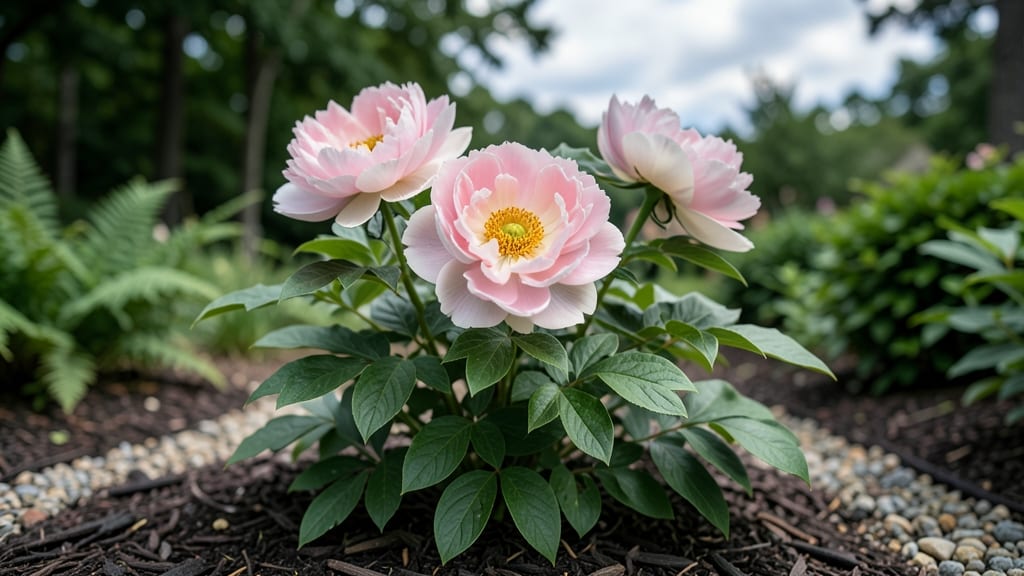
Wondering how tall does peony grow before you commit to planting these stunning 🌸 blooms? The answer might surprise you—some varieties stay compact enough for containers, while others can reach head-height in your garden!
Peonies aren’t one-size-fits-all; their height depends on whether you’re growing herbaceous types (typically 18-48 inches) or tree peonies (which can stretch up to 60+ inches). Even within these categories, dwarf varieties stay under 2 feet, while standard types can tower over 3 feet.
If you’re planning your garden layout, knowing these ranges helps you decide where to place them—whether as a bold focal point or tucked into borders. The right spot can mean the difference between a wildflower meadow vibe and a structured, show-stopping display.
Let’s break down the exact height ranges by type, plus tips to control growth naturally—so you can get the perfect peony size for your space. Ready to transform your garden?


Peony height ranges by variety type: herbaceous vs tree peonies
Peonies are famous for their lush, fragrant blooms, but their height can vary dramatically depending on the variety type. Understanding these differences helps you plan your garden layout and choose the perfect peonies for your space.
The two main categories—herbaceous peonies and tree peonies—offer distinct growth habits and mature heights.
Herbaceous peonies are the classic garden peonies most people recognize. They grow from crowns that die back to the ground each winter, typically reaching heights between 18 to 48 inches. Their upright stems and bushy foliage make them ideal for borders, cottage gardens, and mixed perennial beds.
Tree peonies, on the other hand, are woody shrubs that retain their foliage year-round in warmer climates and can tower from 24 to over 60 inches tall.
Here’s a quick comparison to help you visualize their differences before we dive deeper into specific varieties and care tips. Knowing these ranges will help you avoid overcrowding or underutilizing space in your garden.
| Peony Type | Height Range | Growth Habit | Best For |
|---|---|---|---|
| Herbaceous Peonies | 18–48 inches | Die back in winter; new growth each spring | Borders, cottage gardens, containers |
| Tree Peonies | 24–60+ inches | Woody stems; evergreen in mild climates | Focal points, large landscapes, specimen planting |
| Dwarf Varieties | 12–24 inches | Compact growth; ideal for small spaces | Rock gardens, window boxes, urban gardens |
| Giant Cultivars | 48–60+ inches | Tall, sturdy stems; dramatic impact | Back of borders, large garden beds, cut flower gardens |
Herbaceous peonies are the most common choice for home gardens because of their manageable heights and reliable blooms. Varieties like 'Sarah Bernhardt' and 'Bowl of Beauty' typically reach 24 to 36 inches, making them perfect for mid-height borders.
These peonies thrive in USDA zones 3–8 and bloom in late spring to early summer, adding a splash of color when few other perennials are in season.
Tree peonies, while less common, are prized for their exotic blooms and extended bloom time. Cultivars like 'Shin-Shu' and 'Koyo-Nishiki' can grow 3 to 5 feet tall, making them standout features in larger gardens.
Unlike herbaceous types, tree peonies are hardy in zones 4–8 and often bloom in late spring to early summer, with some varieties reblooming in fall.
If you're working with limited space, consider dwarf varieties like 'Little Red' or 'Coral Charm', which max out at 12 to 24 inches. These are perfect for containers, rock gardens, or small urban plots.
On the other hand, if you're designing a statement garden, giant cultivars like 'Duchesse de Nemours' (up to 5 feet tall) will create a dramatic focal point.
Another factor influencing height is your climate and growing conditions. Peonies planted in rich, well-draining soil with full sun exposure tend to grow taller and produce more robust blooms. In contrast, shady or nutrient-poor conditions can stunt their growth, resulting in shorter stems and fewer flowers.
Always plant peonies in a location where they’ll receive at least 6 hours of direct sunlight daily for optimal growth.
When planning your garden, leave 18 to 24 inches of space between herbaceous peonies to accommodate their mature spread and prevent overcrowding. For tree peonies, allow 3 to 4 feet of clearance, especially if you’re planting them near walkways or structures.
Proper spacing ensures good airflow, reducing the risk of fungal diseases like botrytis blight, which can weaken stems and affect height.
Peonies also exhibit gradual growth over time. In their first year, expect stems to reach only 12 to 18 inches, while mature plants (after 3–5 years) will reach their full height potential.
Patience is key—young peonies invest energy in root development before focusing on above-ground growth. This slow-and-steady approach ensures your peonies will thrive for decades with minimal care.
Understanding these height ranges empowers you to design a garden that balances beauty and practicality. Whether you’re a beginner or a seasoned gardener, choosing the right peony variety for your space will set the stage for a showstopping display year after year. 🌸
Peony height ranges by variety type: herbaceous vs tree peonies
Peonies come in two main types with dramatically different heights: herbaceous peonies and tree peonies. Understanding these differences helps you plan your garden layout and choose the perfect varieties for your space.
Most herbaceous peonies reach 18 to 48 inches tall, while tree peonies can tower from 24 to over 60 inches, making them true statement plants in any landscape.
Herbaceous peonies die back to the ground each winter, regrowing from their roots in spring. Their height varies by cultivar, with dwarf varieties like 'Bowl of Beauty' staying under 24 inches, while tall herbaceous types like 'Sarah Bernhardt' can exceed 4 feet.
Tree peonies, on the other hand, keep their woody stems year-round, often growing 3 to 5 feet tall with some varieties like 'Shiniro-Nishiki' reaching 6 feet or more.
| Variety Type | Height Range | Growth Habit | Best For |
|---|---|---|---|
| Herbaceous Peonies | 18–48 inches | Dies back to ground in winter | Borders, cottage gardens, containers |
| Dwarf Herbaceous | 12–24 inches | Compact, bushy growth | Small gardens, rockeries, window boxes |
| Standard Herbaceous | 24–48 inches | Tall, upright stems | Back of borders, mixed beds |
| Tree Peonies | 24–60+ inches | Woody stems, evergreen | Focal points, large landscapes |
| Giant Tree Peonies | 48–60+ inches | Bold, architectural | Specimen planting, woodland edges |
When planning your garden, consider herbaceous peonies for mid-height borders where they’ll blend with other perennials like delphiniums or lupines. Their 3 to 4-foot height works beautifully in mixed beds or as backdrop plants for shorter flowers.
For small gardens, dwarf varieties like 'Coral Charm' (18 inches) or 'Little Red' (20 inches) are ideal for containers or front-of-border planting.
Tree peonies, with their woody stems and year-round structure, excel as focal points in large gardens. Place them near patios or walkways where their height and fragrance can be fully enjoyed.
If space is limited, opt for semi-dwarf tree peonies like 'Koi No Ue' (36 inches) or 'Benshi' (30 inches), which still make a statement without overwhelming smaller areas.
Your climate and soil conditions also influence peony height. In cooler climates like USDA Zones 3-5, peonies often grow taller and bushier due to longer growing seasons. In warmer zones (6-8), they may stay slightly shorter unless given partial afternoon shade to prevent stress.
Amend your soil with compost and organic matter to encourage strong root development, which directly impacts stem height and bloom production.
Proper spacing is key to prevent overcrowding, which can stunt growth. Give herbaceous peonies at least 3 feet of space in all directions, while tree peonies need 4 to 5 feet to thrive.
This ensures good airflow, reducing the risk of fungal diseases like botrytis blight, which can weaken stems and limit height potential.