
How To
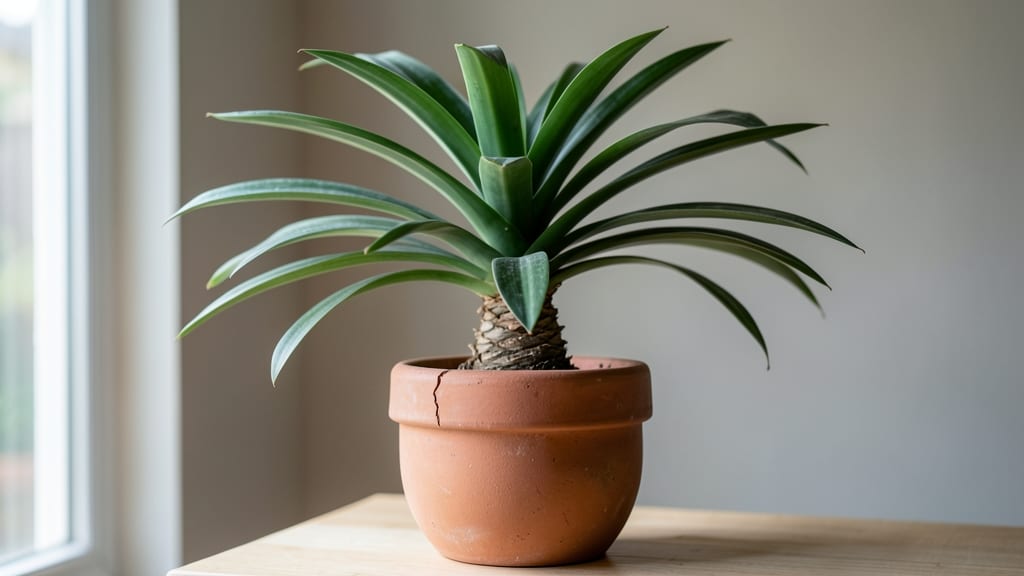
Wondering how tall does ponytail palm grow before it becomes a space hog? This striking 🌵 plant can reach surprising heights—some varieties towering up to 10 feet indoors with proper care, while outdoor specimens in ideal conditions may even stretch toward 15 feet.
What’s even more fascinating is how patiently it grows. Unlike fast-growing plants, your ponytail palm takes its time, gaining only 1-2 feet per year in its early years.
That means if you’re starting with a small 3-foot plant today, you’re looking at a decade before it reaches its full dramatic height.
The good news? You can control its growth with simple adjustments like pot size, light exposure, and occasional pruning. Whether you want a floor-filling statement piece or a more manageable tabletop plant, understanding these factors is key to getting the height you envision.
Let’s dive into the exact height ranges by variety and the care tips that will help your ponytail palm thrive—no guesswork required.


Ponytail palm height by variety: exact growth ranges & mature sizes
The ponytail palm (Beaucarnea recurvata) is famous for its striking, tree-like appearance, but its mature height varies dramatically by variety and growing conditions. Most gardeners expect a 6–10 ft plant indoors, while outdoor specimens can reach 12–15 ft with optimal care.
Understanding these ranges helps you plan your space and care routine effectively.
For example, the standard ponytail palm typically grows 8–10 ft tall indoors over 5–10 years, while dwarf varieties like Beaucarnea hookeri stay between 3–5 ft. Outdoors, in USDA Zones 9–11, these plants thrive and can stretch taller due to abundant sunlight and space.
Let’s compare the most common varieties and their height expectations.
📌 Key Insight: Height isn’t just about genetics—light exposure, pot size, and pruning play huge roles. A ponytail palm in a small container will grow slower and shorter than one planted in the ground.
| Variety | Indoor Height (ft) | Outdoor Height (ft) | Growth Rate | Notes |
|---|---|---|---|---|
| Standard (Beaucarnea recurvata) | 6–10 ft | 10–15 ft | Slow to moderate | Most common variety; thick trunk stores water. |
| Dwarf (Beaucarnea hookeri) | 3–5 ft | 4–7 ft | Slow | Compact; ideal for small spaces or containers. |
| Nolina (Nolina recurvata) | 4–8 ft | 8–12 ft | Moderate | Similar to ponytail palm but slightly faster growth. |
| Variegated (Beaucarnea recurvata 'Variegata') | 5–9 ft | 9–14 ft | Slow | Slower growth due to energy spent on variegation. |
If you’re growing a standard ponytail palm indoors, expect 1–2 ft of growth per year during its first 3–5 years. After that, growth slows as the plant matures.
For outdoor plants, the first 5 years can see 2–3 ft of annual growth in ideal conditions, like full sun and well-draining soil.
One common misconception is that ponytail palms grow too fast—they’re actually slow growers compared to bamboo or fast-growing trees. Patience is key! A 10-year-old indoor ponytail palm will likely be 8–10 ft tall, while a 5-year-old outdoor specimen could already reach 6–8 ft if given the right care.
For small-space gardeners, dwarf varieties are a game-changer. A 3–5 ft dwarf ponytail palm fits perfectly on a bookshelf or countertop and still delivers that tropical vibe without overwhelming your room. Just remember: even dwarf varieties need bright light to stay compact.
Pro tip: Measure your plant annually to track its growth. Use a measuring tape along the main stem (not the leaves) for accuracy. This helps you adjust care—like fertilizing more if growth stalls or pruning if it gets too leggy.
Need help visualizing? Imagine your ponytail palm next to a standard dining table (3 ft) or a basketball hoop (10 ft). Most indoor plants will fall somewhere in between, but with the right care, they can exceed expectations—especially in sunny, warm climates.
Ready to maximize your ponytail palm’s height? The next step is understanding how to optimize its growing conditions—like light, soil, and water—to encourage (or control) its growth. Let’s dive into those factors next!
Factors that determine how tall your ponytail palm grows
Your ponytail palm’s height isn’t set in stone—it’s shaped by a mix of environmental factors and care habits. Unlike fast-growing trees, this succulent takes its time, but with the right conditions, you can push it toward its maximum height potential or keep it compact for smaller spaces.
Let’s explore the key variables that influence growth.
Light exposure is the #1 factor for height. Ponytail palms thrive in bright, indirect sunlight (6+ hours daily). In low light, they grow leggy and tall (up to 12+ feet indoors) but with weak stems. Outdoors in full sun, they stay stockier and shorter (6–10 feet), with thicker trunks. Place yours near a south-facing window or under grow lights to control height.
🌱 Numbered Highlights: Key Growth Factors
- 1. Light: Full sun = shorter, stockier growth (6–10 ft); low light = taller, leggy (10–12 ft).
- 2. Pot Size: Root-bound plants grow faster but risk toppling. Use a pot 1/3 larger than the plant’s base for stability.
- 3. Watering: Overwatering = stunted growth (roots rot); underwatering = slow growth but thicker trunks.
- 4. Temperature: Ideal 65–80°F; below 50°F halts growth. Cold drafts stunt height permanently.
- 5. Pruning: Cutting the top 1/3 encourages bushier growth but slows vertical height gain by 20–30%.
Pot size plays a sneaky role—too small, and your ponytail palm will grow fast but unstable (risking toppling). Too large, and it may linger in a juvenile phase for years. Aim for a container that’s only slightly larger than its current base (e.g., a 12-inch pot for a 3-foot plant). If you want a taller specimen, upgrade pots gradually every 2–3 years.
Watering habits might seem counterintuitive, but less is often more. Ponytail palms store water in their thick trunks, so overwatering stresses them, leading to yellow leaves and stunted growth.
Water deeply every 2–3 weeks (let the soil dry completely between sessions), and you’ll see healthier, slower-but-stronger growth. In winter, reduce watering to every 4–6 weeks to mimic dormancy.
Climate and humidity also tweak height. In dry, arid conditions (like deserts), ponytail palms grow wider trunks and shorter heights (5–8 feet). In humid climates, they stretch taller (8–12 feet) but may develop softer, weaker stems. If you’re in a humid zone, improve airflow with a small fan or open windows to prevent leggy growth.
Finally, patience is key. Ponytail palms grow slowly—expect only 6–12 inches per year in ideal conditions. Rush growth with excess fertilizer (especially high nitrogen), and you’ll end up with leafy tops and weak stems.
Stick to a balanced 5-5-5 fertilizer in spring, and let nature take its course. With the right care, your ponytail palm will reward you with years of dramatic, low-maintenance height.