
How To
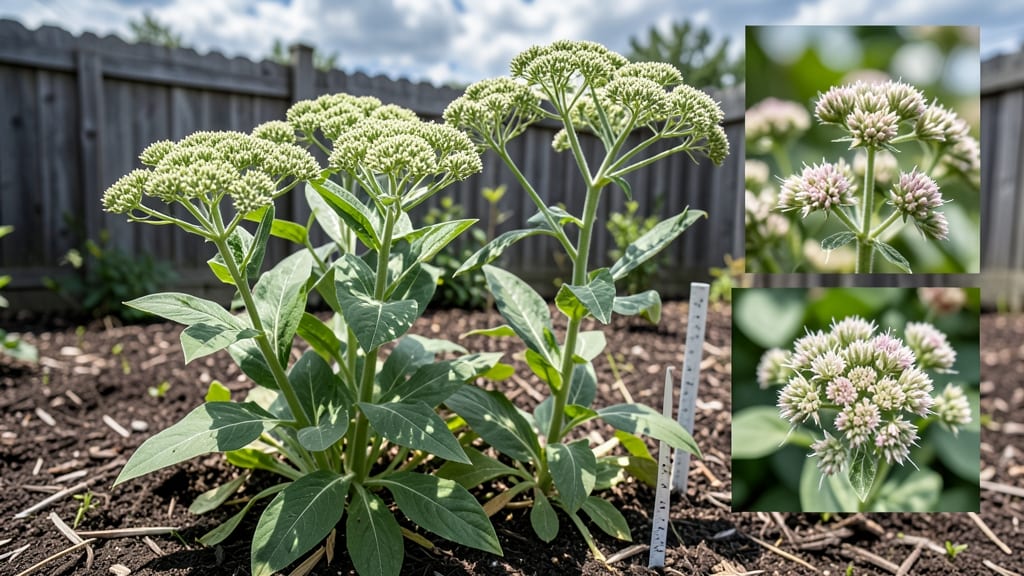
If you're wondering how tall does quinoa grow, the answer might surprise you—because this superfood comes in sizes that range from compact garden-friendly plants to towering giants that could outgrow your expectations.
Whether you're planning a small backyard patch or a larger farm plot, understanding quinoa's height variations is the key to maximizing your space and yield.
Most gardeners grow quinoa varieties that reach between 1 to 3 feet, making them perfect for small gardens or containers. But don't be fooled—some specialty varieties can stretch up to 5 feet or more, which means you'll need to plan your spacing carefully.
The right variety can transform your harvest potential, especially in USDA Zone 6a where spring planting gets you started.
What you might not realize is that quinoa height isn't just about variety—it's also influenced by growing conditions. Soil quality, sunlight exposure, and even watering habits can make a big difference in how tall your plants grow.
For example, well-drained soil and full sun will encourage healthier, more robust growth, while poor conditions might stunt your plants or make them leggy.
Let's break down the different quinoa types, from the shortest dwarf varieties to the tallest giants, and how to choose the right one for your garden.
You'll discover how spacing, sunlight, and even pruning can help you control quinoa height naturally—so you can get the best harvest possible without sacrificing space.


Quinoa height by variety: dwarf vs giant types and their growing requirements
Quinoa’s height varies dramatically between varieties, from dwarf types perfect for containers to giant heirlooms that reach waist height. Understanding these differences helps you choose the right variety for your space and climate.
For example, dwarf quinoa (12–24 inches) thrives in small gardens or urban plots, while tall varieties (36–60+ inches) need more room but produce larger yields.
Most commercial quinoa falls into three height categories: dwarf (1–2 ft), standard (2–3 ft), and giant (3–5+ ft).
Your choice depends on your garden layout, intended use, and local growing conditions. Dwarf varieties are ideal for container gardening or intercropping, while tall types work better in open fields or as windbreaks. Rare heirloom quinoa, like Titicaca, can even exceed 5 feet in optimal conditions.
Here’s how quinoa height breaks down by variety and its growing requirements:
| Variety Type | Mature Height | Sun Needs | Best For |
|---|---|---|---|
| Dwarf (e.g., Utah Cream, Black Magic) | 12–24 inches | 6+ hours full sun | Containers, small gardens, intercropping |
| Standard (e.g., Kancolla, Fairmont) | 24–36 inches | 6–8 hours full sun | Home gardens, raised beds, small farms |
| Giant (e.g., Titicaca, Real) | 36–60+ inches | 8+ hours full sun | Large fields, windbreaks, bulk harvest |
| Heirloom (e.g., Cherokee, Pepita) | 3–5 feet | 6–8 hours full sun | Heritage gardens, specialty markets |
Climate plays a huge role in quinoa height. In cool climates (USDA Zones 3–6), quinoa may stay shorter (1–3 ft) due to shorter growing seasons, while warm climates (Zones 7–10) can produce taller, more vigorous plants (3–5 ft).
For example, Fairmont quinoa often grows 20% taller in Arizona than in Colorado. Soil pH also matters—quinoa prefers 6.0–8.0, and acidic soil (pH <5.5) can stunt growth.
Height impacts harvestability too. Dwarf varieties are easier to hand-harvest but yield less per plant, while tall types require ladders or scythes but produce 2–3x more seeds. If you’re growing for commercial purposes, taller varieties like Titicaca are worth the extra space.
For home gardens, a semi-dwarf (2–3 ft) strikes a balance between yield and convenience.
One common mistake is assuming all quinoa needs the same space. Overcrowding dwarf varieties leads to stunted growth and poor seed development, while underspacing tall types causes shading and fungal issues. Always check seed packets for spacing recommendations, which often align with mature height.
For example, Utah Cream (18 inches tall) needs 6–8 inches between plants, while Titicaca (4+ feet) requires 18–24 inches.
If you’re growing quinoa in containers, choose dwarf or semi-dwarf varieties like Black Magic or Kancolla. These thrive in 5–7 gallon pots with well-draining soil and consistent moisture.
For ground planting, amend soil with compost to encourage taller, stronger stems. Avoid heavy clay soils, which can restrict root growth and limit height potential.
Pro tip: If you love the look of tall quinoa but lack space, try trellising standard varieties like Fairmont. Train stems gently along a lightweight trellis to save space while still achieving full mature height. Just avoid heavy trellises, as quinoa stems can snap under pressure.
🌾
Optimal spacing for quinoa by height: avoid overcrowding for maximum yield
Choosing the right spacing for your quinoa plants isn't just about aesthetics—it directly impacts yield, air circulation, and disease prevention. Dwarf varieties (12-24 inches) need tight quarters, while giant types (36-60+ inches) demand room to stretch.
Get spacing wrong, and you’ll face stunted growth or fungal issues. Let’s break down the science-backed spacing rules to maximize your harvest.
For dwarf varieties like 'Titicaca' or 'Fairy Tale,' space plants 6-8 inches apart in rows 12 inches apart. This compact setup prevents overcrowding while allowing easy access for harvesting.
In contrast, standard varieties such as 'Black Valentine' or 'Kancolla' thrive with 12-18 inches between plants and 24 inches between rows. This gives roots room to spread without competing for nutrients.
Giant varieties like 'Utah' or heirloom types can reach over 5 feet, so space them 18-24 inches apart in rows 30+ inches apart. This spacing mimics their natural growth habit and prevents lodging (when plants fall over).
Pro tip: Use a string line and measuring tape to ensure even spacing—uneven plants lead to uneven yields.
Quinoa Spacing Guide by Variety
| Variety Type | Plant Spacing | Row Spacing | Best For |
|---|---|---|---|
| Dwarf (12-24") | 6-8" | 12" | Containers, small gardens |
| Standard (24-36") | 12-18" | 24" | Home gardens, farms |
| Giant (36-60+") | 18-24" | 30+" | Large plots, windbreaks |
✅ Pro Tip: Adjust spacing if your soil is nutrient-poor—closer spacing can compensate for weaker roots.
Soil fertility plays a sneaky role in quinoa height. Rich, well-draining soil encourages taller growth, while poor soil can stunt plants. If your quinoa starts leaning or growing lanky, it’s a sign of nitrogen excess or overwatering.
To fix this, reduce fertilizer and ensure 6+ hours of sunlight daily. For container growers, use larger pots (12"+ diameter) to prevent root binding, which restricts height.
Avoid these common spacing mistakes: planting too densely (leads to powdery mildew), skipping row spacing (creates wind tunnels), or ignoring variety needs (e.g., growing giants like dwarfs).
Test your spacing in a small patch first—this lets you tweak before committing to a full plot. Happy spacing means happier plants and bigger harvests!
🌾