
How To
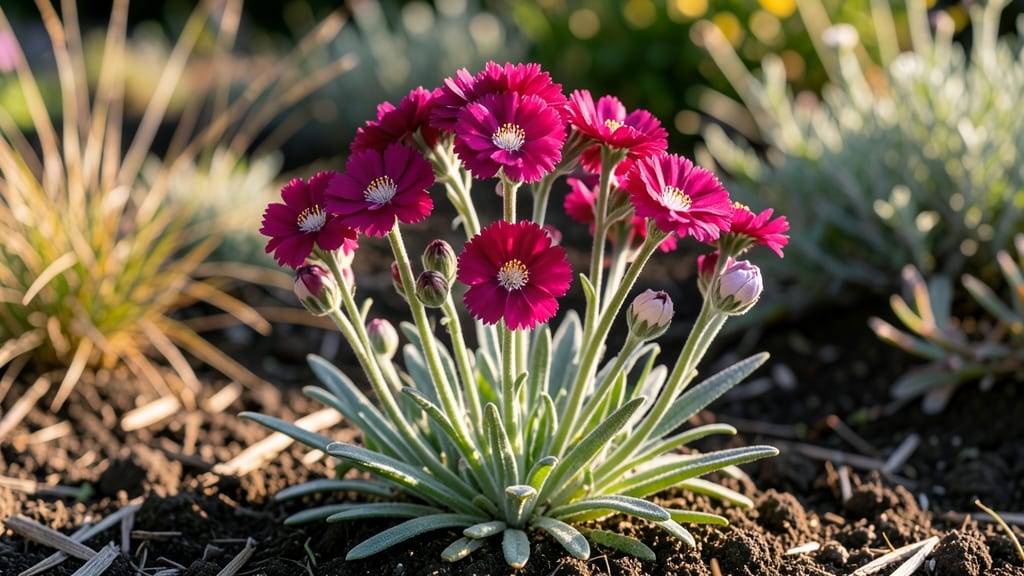
If you’ve ever wondered "how tall does sweet william grow", the answer might surprise you—these charming 🌸 blooms can range from dainty 8-inch mounds to towering 2-foot clusters, depending on the variety and growing conditions.
That flexibility makes them perfect for everything from window boxes to cottage garden borders, but getting the spacing right is key to avoiding crowded, leggy plants.
Most gardeners plant Sweet Williams in March-April for a June-July burst of color, but their mature height depends on whether you’re growing a dwarf variety (like ‘Blushing Bride’) or a standard type (like ‘Red Carpet’).
Dwarf types stay compact, while taller varieties need more room to spread—think of them as the knee-high friends of your garden, not the wallflowers.
Sunlight, soil, and even your USDA Zone 6a climate play a role in their height. Too much shade? Expect shorter stems. Poor drainage? Roots struggle, stunting growth.
But with the right care—proper spacing, well-drained soil, and a sunny spot—you’ll get those vibrant clusters you’ve been dreaming of, whether you’re planting in pots or garden beds.
Ready to maximize your Sweet William’s height potential? I’ll break down the best spacing, pruning tips, and variety choices so you can plan your garden like a pro—and enjoy those long-lasting blooms all season long.


Sweet william height by variety: compact to towering options
Sweet Williams (Dianthus barbatus) are one of the most versatile flowers for cottage gardens, borders, and containers. Their height can range dramatically from 8 inches for dwarf varieties to 24 inches for standard types.
This variation lets you use them as edging plants, mid-border accents, or even in hanging baskets. The key to maximizing their potential lies in choosing the right variety for your space and growing conditions.
Most gardeners assume all Sweet Williams reach the same height, but the truth is far more exciting. Some varieties, like 'Blushing Bride', stay compact at just 8–12 inches, making them perfect for window boxes or small pots.
Meanwhile, taller varieties like 'Red Carpet' can reach 18–24 inches, creating stunning vertical interest in garden beds. Understanding these differences helps you plan your garden layout for a cohesive, layered look.
Here’s how height varies by type: Dwarf varieties (8–12 inches) work beautifully in containers or as edging plants. Semi-dwarf varieties (12–18 inches) bridge the gap between compact and standard types, while standard varieties (18–24 inches) thrive in borders or as cut flowers.
Each category offers unique design possibilities, so let’s explore the most popular options and their ideal uses.
🌸
When selecting varieties, consider your garden’s sunlight exposure and soil drainage. Sweet Williams thrive in full sun (6+ hours daily) and well-drained soil, but taller varieties may need staking in windy areas. For example, 'Red Carpet' can flop without support, while 'Matrix' stays sturdy even in tight spaces.
Always check the seed packet or plant tag for specific care notes, as some newer hybrids may have unique growth habits.
Another factor influencing height is pruning frequency. Regular deadheading (removing spent blooms) encourages bushier growth and can reduce height by 20–30% in some varieties. If you’re growing Sweet Williams for cut flowers, prune stems back to 6 inches after harvesting to promote lateral branching.
This technique works especially well for standard varieties, turning them into fuller, more compact plants over time.
For gardeners with limited space, dwarf varieties are a game-changer. They fit perfectly in 5-gallon containers or even hanging baskets, where their trailing habit adds visual interest. Pair them with thyme or Alyssum for a fragrant, low-maintenance combo.
Meanwhile, taller varieties excel in mixed borders or as a backdrop for shorter perennials like Sweet Alyssum or Pansies.
🌿
Pro tip: If you’re unsure about height, start with a mix of dwarf and standard varieties in the same bed. This creates natural layers and ensures your garden has both height variation and textural contrast.
For instance, plant 'Matrix' along the front edge, 'White Lady' in the middle, and 'Fireworks' at the back. The result? A professional-looking display with minimal effort.
Finally, don’t overlook the role of soil fertility. Sweet Williams grown in nutrient-rich soil tend to be taller and more robust, while those in poor soil may stay shorter. Amend your soil with compost or aged manure before planting to encourage optimal growth.
With the right variety and care, your Sweet Williams will reach their full potential—whether that’s a compact
Sweet william height by variety: compact to towering options
Sweet Williams (Dianthus barbatus) are versatile flowers that can range from compact 8-inch dwarfs to towering 24-inch standards, making them perfect for borders, containers, or cut flower arrangements.
The height you’ll achieve depends entirely on the variety you choose—each brings its own charm to your garden design while requiring slightly different spacing and care.
For example, dwarf varieties like 'Blushing Bride' stay neatly between 8–12 inches, ideal for edging flower beds or window boxes. Meanwhile, standard types such as 'Red Carpet' or 'White Lady' reach 18–24 inches, creating bold focal points in mixed borders.
Even within these categories, some hybrids or newer cultivars push boundaries—like the 'Matrix' series, which tops out at 15 inches while packing extra bushiness.
| Variety | Height Range | Best For | Spacing (inches) |
|---|---|---|---|
| 'Blushing Bride' | 8–12 inches | Window boxes, edging | 6–8 inches |
| 'Red Carpet' | 18–24 inches | Cut flowers, borders | 12–18 inches |
| 'Matrix Series' | 12–15 inches | Containers, mass planting | 8–10 inches |
| 'White Lady' | 16–20 inches | Mixed borders, bouquets | 10–12 inches |
When selecting varieties, consider your garden’s vertical layers. Dwarf Sweet Williams work beautifully in front-of-border positions, while taller types anchor the back.
Pro tip: Mix heights in containers—place shorter varieties in the front and taller ones at the back to create a cascading effect that draws the eye upward.
Height isn’t just about aesthetics—it also affects bloom density. Taller varieties often produce longer stems with fewer flowers per stem, while dwarfs pack more compact clusters.
If you’re growing for cut flowers, standard types yield longer stems, but dwarfs deliver more blooms per square foot for pollinators. Choose based on your goals!
One factor that surprises many gardeners? Soil fertility can influence height. Over-fertilizing with high-nitrogen feeds may stretch stems, making plants taller but leggier. Aim for a balanced 5-10-10 fertilizer to encourage bushy, sturdy growth without sacrificing bloom quality. Always pair this with well-draining soil to prevent floppy stems.
For container gardeners, height matters even more—opt for dwarf or semi-dwarf varieties in 5-gallon pots to avoid root-bound stress. Taller types need deeper containers (at least 12 inches deep) and staking to prevent toppling in wind or rain.
Whether in-ground or in pots, pruning spent blooms encourages continuous flowering and keeps plants compact.
🌸