
How To
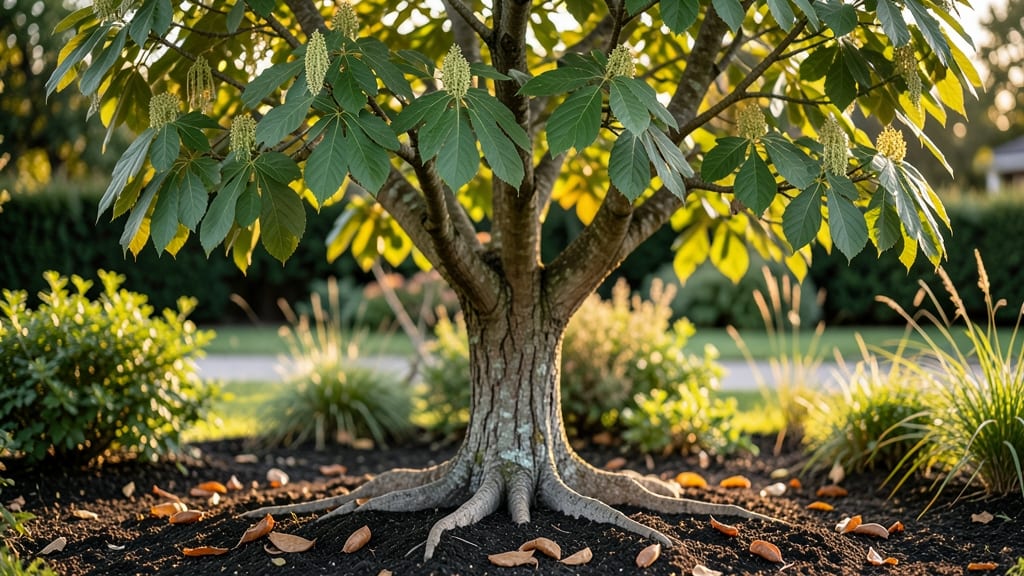
If you’ve ever wondered how tall does Tree of Heaven grow—or whether planting one in your yard is a good idea—you’re not alone. This fast-growing tree can shoot up to 75 feet in ideal conditions, making it more suited for sprawling landscapes than tight urban spaces.
But its height isn’t the only factor to consider; soil, sunlight, and even your region play a huge role in how big it gets.
The Tree of Heaven 🌳 thrives in warm climates, where it can reach its full towering potential, but in cooler zones like 6a, growth slows significantly.
Whether you’re dealing with a 40-foot specimen or a 75-foot giant depends on where you live and how much you’re willing to manage it. Let’s break down the real height ranges and what you can expect.
What’s surprising is how quickly this tree grows—sometimes 5 feet per year in perfect conditions. That means a small sapling can become a shade-providing giant in just a few years.
But before you plant one, you’ll want to know whether it’s the right fit for your space and how to control its size if needed.
In this guide, I’ll cover everything from regional height variations to practical tips for keeping it in check. Whether you’re curious about its growth habits or debating whether to plant one, you’ll find out exactly what to expect—and how to make it work for you.


Tree of Heaven height by region: average growth ranges across the U.s.
The Tree of Heaven (Ailanthus altissima) is infamous for its rapid growth, but its mature height varies dramatically depending on your location.
In Southern states like Texas and Florida, these trees often reach their maximum height of 75 feet, while in Northern climates like New York or Pennsylvania, they typically max out around 40-50 feet. This difference is due to longer growing seasons and milder winters in the South.
Urban environments can also stunt growth due to compacted soil and limited space, while rural areas provide the ideal conditions for towering specimens. If you're in Zone 6 or warmer, expect faster and taller growth compared to cooler regions where frost slows development.
🌳
| Region | Average Mature Height | Growth Rate (First 5 Years) | Key Growth Factors |
|---|---|---|---|
| Southern U.S. (TX, FL, GA) | 60-75 ft | 10-15 ft/year | Long growing season, rich soil |
| Midwest (OH, IL, MO) | 45-60 ft | 6-10 ft/year | Moderate frost, fertile soil |
| Northeast (NY, PA, NJ) | 40-50 ft | 4-8 ft/year | Shorter growing season, cooler temps |
| Pacific Northwest (WA, OR) | 35-45 ft | 3-7 ft/year | Cooler climate, slower growth |
In urban settings, Tree of Heaven often grows 20-30% shorter than in rural areas due to soil compaction and limited root space. However, if planted near nutrient-rich soil or water sources, even city trees can reach 50+ feet within a decade.
If you're in Zone 7 or warmer, expect the fastest growth—these trees can add 10+ feet annually in ideal conditions. Meanwhile, in Zone 5 or colder, growth slows significantly, rarely exceeding 40 feet even at maturity.
For gardeners in small yards, this tree is rarely a good fit unless you plan to prune aggressively. Even then, its aggressive root system can damage sidewalks and foundations, making it a high-maintenance choice for tight spaces.
🌿
One surprising factor is wind exposure. Trees in open fields often grow taller and straighter, while those in wooded areas may develop a shorter, bushier form due to competition for sunlight. This natural pruning effect can keep heights under 30 feet in dense forests.
If you're considering planting a Tree of Heaven, research your local climate zone and soil type first. In Southern states, expect a 75-foot giant within 15-20 years, while in the Northeast, you might only reach 40 feet after 25 years.
Tree of Heaven height by region: average growth ranges across the U.s.
The Tree of Heaven (Ailanthus altissima) is notorious for its rapid vertical growth, but its mature height varies dramatically depending on your location. In the southeastern U.S., where warm climates fuel its growth, these trees often reach 60–75 feet tall—towering over homes and power lines.
Meanwhile, in northern states like New York or Pennsylvania, they max out around 40–50 feet due to shorter growing seasons.
Urban areas can also stunt growth slightly compared to rural settings, where trees have more space to spread their roots and compete for sunlight. Latitude plays a huge role: Trees planted near the Gulf Coast may hit their height potential faster, while those in Zone 5 or colder grow more slowly but still reach impressive sizes.
🌳
If you're in a small yard or suburban area, the Tree of Heaven’s height can become a problem quickly.
Even in cooler climates, it can add 3–5 feet per year in ideal conditions, making it a poor choice for tight spaces. Pruning early is the only way to manage its height, but even then, it’s an aggressive grower that demands constant attention.
For gardeners in Zone 6 or higher, expect the tree to dominate your landscape within a decade unless you remove it entirely.
Its rapid growth and invasive root system make it a high-maintenance plant—one that’s better suited for large properties or controlled environments like urban forests where height isn’t a concern.
🌿
One surprising fact about Tree of Heaven’s height is how it outgrows competitors. In mixed woodlands, it can shade out native species within 5–7 years, thanks to its broad canopy and fast leaf production.
This makes it a double-edged sword: while it provides quick shade, it also crowds out other plants, earning its reputation as an ecological menace.