
Leaf Blower
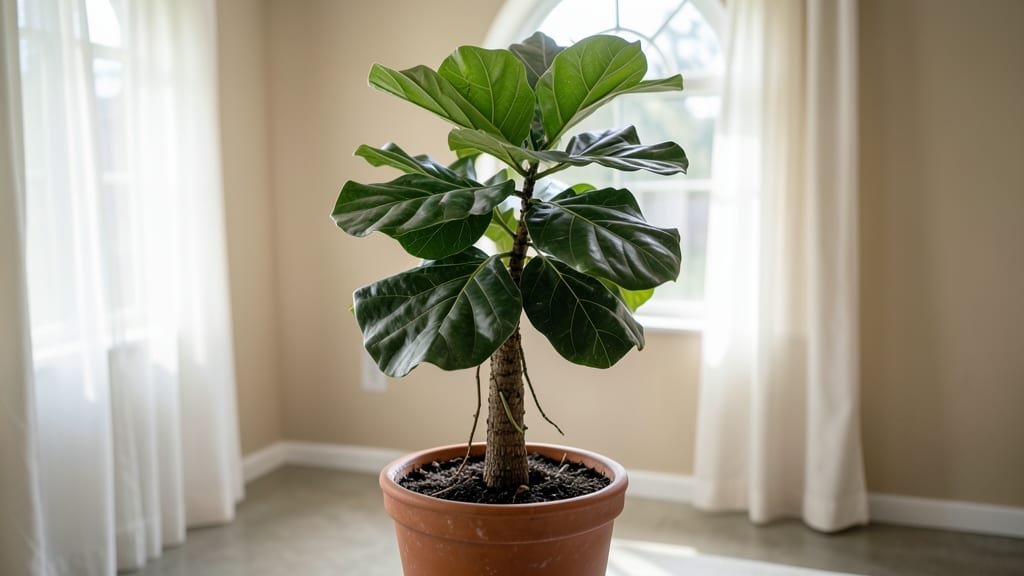
Wondering how tall will a fiddle leaf fig grow in your space? The answer depends on its variety, light conditions, and how you care for it—because this tropical beauty can range from a compact tabletop plant to a towering indoor giant.
With the right conditions, a mature Fiddle Leaf Fig can reach 6 to 10 feet tall, making it a stunning centerpiece—but that growth takes time.
In its first year, expect it to grow just 2 to 4 feet, while varieties like ‘Compacta’ stay smaller if given the right care.
Light exposure is the key to controlling its height. Too much bright light can stretch its stems, while low light slows growth. Pruning and strategic placement can help keep it at your desired size, whether you want a floor-filling statement or a manageable tabletop plant.
Ready to learn how to shape your Fiddle Leaf Fig’s growth? I’ll walk you through the factors that influence its height and how to keep it thriving—no matter how tall you want it to be.


Fiddle leaf fig height by variety: expected growth ranges for indoor plants
Your fiddle leaf fig (Ficus lyrata) is a statement plant, and its final height can vary wildly depending on the variety you choose. Some stay compact enough for a small apartment, while others reach ceiling-height giants in just a few years.
Let’s explore the most popular varieties and their mature sizes to help you plan your space.
First, understand that indoor growth is generally slower than outdoor conditions, but with ideal light exposure and care, your fiddle leaf fig can still thrive. The key difference between varieties lies in their genetic growth habits—some are naturally bushier, while others grow taller with fewer branches.
Standard Ficus lyrata (the classic variety) typically reaches 6–10 feet tall indoors, with a spread of 3–6 feet. This is the variety you’ll find in most nurseries, and it’s perfect if you’re aiming for a dramatic centerpiece in a spacious room. Its large, violin-shaped leaves make it a showstopper, but its height means it’s best suited for homes with high ceilings.
Now, let’s dive into the comparison table below to see how other popular varieties stack up in terms of height and care needs. This will help you pick the perfect fit for your home’s layout and your gardening goals.
If you’re working with limited space, the ‘Compacta’ or ‘Bambino’ varieties are your best bets. These stay under 5 feet tall and thrive in small apartments or even on desk shelves. Their slower growth rate also means they’re lower-maintenance for busy plant parents.
On the other hand, if you love a bold, tropical vibe and have high ceilings, the standard variety or ‘Variegata’ will give you that jungle-like atmosphere.
Just be prepared to prune regularly to keep it from becoming unmanageable. A moss pole can also help guide its growth upward instead of outward, saving space.
Pro tip: Always check the leaf size when choosing a variety. Larger leaves (like the standard type) mean the plant will grow taller faster, while smaller leaves (like ‘Compacta’) indicate a more compact habit.
This is a great way to predict future height without waiting years for your plant to mature.
Remember, even within the same variety, light exposure and care habits can shift your fiddle leaf fig’s height by 2–3 feet. We’ll dive deeper into how to control growth in the next section—so stay tuned if you’re looking to keep your plant on the shorter side!
🌿
How light conditions dramatically affect fiddle leaf fig growth speed and height
Light isn’t just about keeping your fiddle leaf fig alive—it’s the secret weapon for controlling its growth rate and final height. Too little light, and your plant will stretch into a leggy mess, reaching for the sky.
Too much direct sun, and those stunning fiddle-shaped leaves can scorch. Let’s dive into how different light levels transform your plant’s vertical ambitions.
Under low light conditions (think dim corners or north-facing windows), your fiddle leaf fig will grow slowly and tall—often exceeding 8 feet indoors if left unchecked.
The stems elongate dramatically as the plant searches for light, while leaves become sparse and small. This is the classic "string bean" look many gardeners regret.
In medium light (bright indirect light from east or west windows), your fiddle leaf fig strikes a balance. Here, it grows at a steady 2-3 feet per year, reaching its mature height of 6-8 feet in 3-5 years.
Leaves stay lush and proportionate, making this the ideal scenario for most home setups.
When exposed to bright indirect light (like a few feet from a south-facing window with a sheer curtain), your plant grows fuller and bushier. Height increases are more controlled, and leaves develop that coveted glossy, violin-like shape.
This setup can even encourage branching, reducing the need for pruning to manage height.
🌿 Light Impact on Fiddle Leaf Fig Growth
Direct sunlight is the biggest height accelerator for fiddle leaf figs, but it’s a double-edged sword. While it speeds up growth, it also increases the risk of leaf burn and dropped leaves.
If you’re aiming for a taller, lush plant quickly, place your fig near a south-facing window but rotate it weekly to prevent uneven growth.
Here’s the pro move: If your fiddle leaf fig starts stretching toward the light (a sign of etiolation), it’s time to intervene. Move it closer to a brighter window or supplement with a grow light.
For those in dim spaces, a south-facing window with sheer curtains is your best bet—it mimics the tropical understory where fiddle leaf figs thrive in the wild.
Remember, light isn’t just about height—it’s about leaf quality too. The right conditions turn those fiddle leaves into showstoppers, while poor light leaves you with sad, underwhelming foliage. Adjust your setup now, and you’ll thank yourself later when your plant hits its ideal height without the leggy drama.