
How To
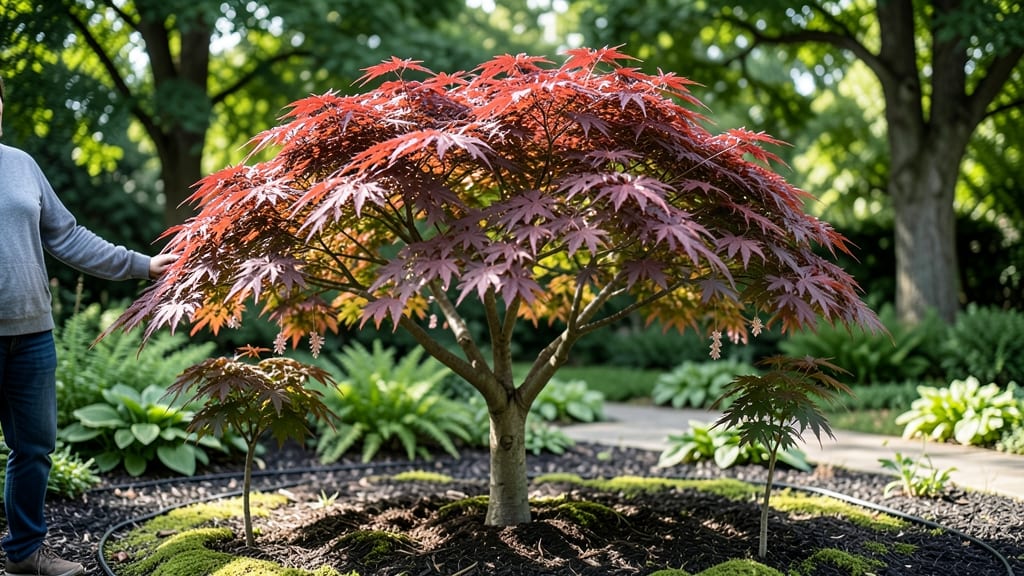
If you're dreaming of a graceful Japanese Maple 🌿 adding elegance to your landscape, you might be wondering how tall this Japanese Maple will grow. The answer isn't one-size-fits-all—some varieties stay compact while others reach towering heights, and what you choose (or already have) makes all the difference.
From delicate dwarf varieties that top out around 8 feet to majestic standard types soaring past 30 feet, the growth potential varies dramatically. What's more surprising? The right pruning techniques can help you guide your tree's height naturally—without sacrificing its stunning foliage or health.
Whether you're planning your first planting in Zone 6a or already have a young sapling, understanding these growth patterns is key. I'll break down how species, sunlight, and soil all play a role in determining whether your Japanese Maple becomes a cozy accent plant or a backyard centerpiece.
Ready to learn how to shape your tree's future? Let's explore the secrets to managing height while keeping your Japanese Maple thriving for decades to come.


Japanese Maple growth heights by species: what to expect before planting
Japanese maples (Acer palmatum) are famous for their stunning foliage and compact growth habits, but their mature height varies dramatically by species and cultivar. Some stay small enough for containers, while others reach towering heights of 25+ feet.
Knowing your tree’s potential height helps you choose the right spot and plan for long-term care.
The key to predicting height lies in understanding the three main growth categories: dwarf, intermediate, and standard varieties. Dwarf types like 'Crimson Queen' rarely exceed 8 feet, while standard varieties such as 'Bloodgood' can soar to 20–25 feet.
Even within categories, growth rates differ—some grow 6 inches per year, while others shoot up 2 feet annually.
Here’s the critical factor: rootstock and grafting play a huge role. Many Japanese maples are grafted onto stronger rootstocks (like Acer palmatum 'Senkaki' or Acer buergerianum), which can influence both height and vigor.
Always check the nursery label for grafted varieties, as these may grow taller than their seed-grown counterparts.
Another game-changer is the growth habit. Upright varieties like 'Shishigashira' grow vertically, while weeping types like 'Tama-no-Ue' spread horizontally, appearing shorter but wider. This distinction is crucial for small gardens or container planting.
Let’s break down the mature height ranges for 10 popular Japanese maple varieties, so you can pick the perfect fit for your space:
| Variety | Mature Height (ft) | Growth Rate (ft/year) | Best For |
|---|---|---|---|
| 'Crimson Queen' | 8–12 | 0.5–1 | Containers, small gardens |
| 'Bloodgood' | 15–25 | 1–2 | Medium to large landscapes |
| 'Shishigashira' | 10–15 | 0.75–1.5 | Upright focal points |
| 'Tama-no-Ue' | 6–10 | 0.5–1 | Weeping features, patios |
| 'Viridis' | 12–18 | 1–1.5 | Specimen trees, shade |
| 'Orangeola' | 8–12 | 0.5–1 | Containers, bright colors |
| 'Senkaki' | 15–20 | 1–1.5 | Large gardens, bold statement |
| 'Emperor I' | 6–10 | 0.5–1 | Dwarf varieties, bonsai |
| 'Shishigashira' (weeping form) | 10–15 | 0.75–1.25 | Elegant arches, entryways |
| 'Aka Shiggy' | 12–18 | 1–1.5 | Vibrant red foliage |
Natural pruning methods to control Japanese Maple height without sacrificing beauty
Japanese maples are prized for their delicate foliage and graceful forms, but their height can quickly become overwhelming if left unchecked. The good news? You can naturally control growth through strategic pruning that enhances their beauty while keeping them at your desired height.
Unlike aggressive cutting, these methods focus on shaping and directing growth rather than stunting it.
Pruning at the right time is everything. For Japanese maples, the best time to prune is late winter or early spring, just before new growth begins. This timing ensures you remove dead or weak branches while encouraging vibrant foliage.
Avoid pruning in fall, as it can stimulate tender new growth that won’t harden off before winter—leading to frost damage.
Here’s how to prune like a pro: Start by removing any dead, diseased, or crossing branches first. These are easy to spot—they’re often brown, brittle, or rubbing against others. Next, focus on structural shaping by thinning out branches from the center to improve airflow and light penetration.
This step is crucial for maintaining the tree’s health and preventing future issues.
Step-by-Step Pruning Guide for Japanese Maples
- Step 1: Remove Dead Branches – Cut back any branches that are brown, cracked, or non-living using clean, sharp pruners. Make cuts just outside the branch collar.
- Step 2: Thin the Canopy – Selectively remove branches that are rubbing or crossing to reduce competition and improve airflow. Aim for a balanced, open structure.
- Step 3: Shape for Height Control – To limit height growth, focus on pruning the uppermost branches slightly shorter than the lower ones. This encourages lateral growth.
- Step 4: Prune for Form – Use hand pruning shears to refine the tree’s natural shape. Avoid heavy pruning—Japanese maples respond best to light, strategic cuts.
- Step 5: Clean Up – Remove all pruned branches and sterilize your tools with rubbing alcohol to prevent the spread of disease.
One common mistake is over-pruning in a single session. Japanese maples are sensitive to heavy cuts, which can stress the tree and reduce its vigor. Instead, prune gradually over 2-3 years, focusing on small adjustments each time.
This approach allows the tree to recover and maintain its natural beauty while staying at a manageable height.
For container-grown Japanese maples, pruning becomes even more critical. Since their root systems are restricted by pots, they naturally grow slower. However, you can further control height by pinching back new growth in early summer.
This encourages bushier, more compact growth—ideal for patios or small gardens. Just be sure to use sterilized tools to avoid introducing pathogens.
Remember, the goal isn’t to stunt the tree but to guide its growth. With patience and the right techniques, your Japanese maple will thrive at the perfect height—adding year-round interest to your landscape without taking over your space. 🌿✂️🌳