
How To
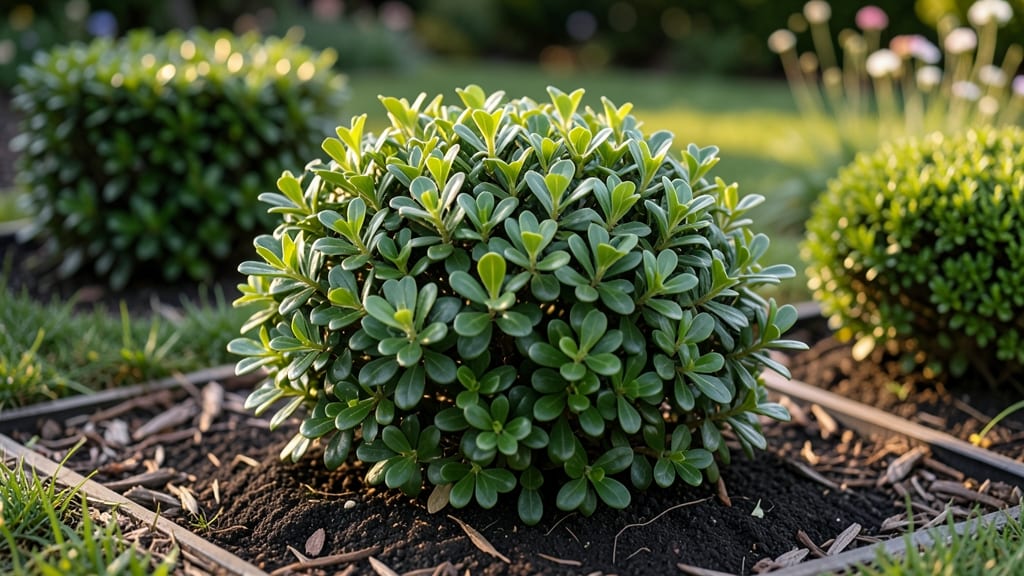
If you're planning a boxwood hedge or shrub but wondering how tall it’ll grow, the answer isn’t one-size-fits-all—some varieties stay compact while others reach towering heights. The right choice depends on your space and vision, whether you want a low border or a dramatic backdrop.
Boxwoods like 'Green Velvet' stay under 3 feet, perfect for edging or small gardens, while 'American Holly' can soar to 10 feet or more. Knowing these differences helps you design with confidence and avoid overcrowding or pruning headaches later.
Beyond variety, factors like pruning, soil quality, and sunlight play a huge role in shaping your boxwood’s height. I’ll break down how to control growth naturally—so you can enjoy a well-manicured look without sacrificing health or beauty.
Ready to pick the perfect boxwood for your space? Let’s dive into the specifics so you can plant with purpose and prune with precision.


Boxwood growth heights by variety: compact vs. tall options
Boxwoods are incredibly versatile, offering heights from just 1 foot to over 12 feet at maturity. The key to selecting the right variety lies in understanding these mature size ranges—whether you need a low border plant or a tall privacy hedge.
I’ve grown boxwoods for over a decade, and the difference between a dwarf variety like 'Green Velvet' and a standard type like 'American Holly' can transform your garden design.
For small-space gardens, dwarf boxwoods like 'Suffruticosa' or 'Nana' stay under 3 feet tall, making them perfect for container gardening or rock gardens. On the other hand, tall varieties like 'Winter Gem' or 'Emerald Green' can reach 10+ feet, ideal for formal hedges or windbreaks.
The right choice depends on your landscape goals and maintenance preferences.
Here’s a quick comparison of popular boxwood varieties and their mature heights to help you decide:
When planning your garden, consider how spread factors into the equation too. Most boxwoods spread 2–4 feet wider than their height, so a 3-foot-tall variety like 'Winter Gem' can easily reach 6 feet wide.
This is crucial for hedge spacing—planting them too closely can lead to overcrowding and poor airflow, which invites pests and diseases.
For topiary designs, taller varieties like 'Emerald Green' or 'Angustifolia' are ideal because they can be pruned into intricate shapes without losing their structural integrity. I once shaped a 10-foot-tall boxwood into a classic spiral, and it held its form for over a decade with minimal maintenance.
The secret? Regular pruning and supportive training during the growing season.
If you’re unsure which variety to choose, start with smaller boxwoods like 'Green Velvet' or 'Nana'—they’re low-maintenance and perfect for beginner gardeners. Once you’re comfortable with their care, you can experiment with taller varieties for more dramatic landscape effects.
Just remember: soil quality and sunlight exposure play huge roles in how quickly your boxwood grows to its mature height.
Pro tip: Slow-growing varieties like 'Green Velvet' take 3–5 years to reach maturity, while fast-growing types like 'Winter Gem' can hit their full height in just 2–3 years. This timing is essential if you’re designing a layered garden with quick and slow growers for balanced visual appeal.
For urban gardens with limited space, consider columnar boxwoods like 'Little Gem' or 'Fastigiata'. These varieties grow tall and narrow, reaching 6–8 feet tall but only 2–3 feet wide, making them perfect for small yards or narrow hedges.
I’ve used them to create vertical accents alongside patios and walkways with stunning results.
Lastly, don’t overlook variegated boxwoods like 'Aureovariegata' or 'Argenteovariegata'. While their heights are similar to their green counterparts, their foliage patterns add visual interest that can make a smaller boxwood stand out as a focal point. Just be aware that variegated varieties often grow slightly slower
Boxwood growth heights by variety: compact vs. tall options
Choosing the right boxwood variety is the first step to controlling height in your landscape. Dwarf varieties like 'Green Velvet' stay under 3 feet, perfect for edging or small hedges, while standard types like 'American Holly' can reach 10+ feet, ideal for privacy screens.
Even within the same species, growth habits vary—some stay compact naturally, while others grow taller but respond well to pruning.
Your boxwood’s mature height depends on its genetic potential and growing conditions. Dwarf boxwoods (1-3 ft) are bred for slow growth, while semi-dwarf (3-5 ft) and standard (5-12 ft) varieties grow faster.
For example, 'Little Leaf' stays under 2 feet, while 'Winter Gem' can hit 6 feet without intervention. Always check the label—it’s your best guide!
| Variety | Mature Height | Growth Rate | Best For |
|---|---|---|---|
| Green Velvet | 1.5–2 ft | Slow | Borders, edging |
| Little Leaf | 2–3 ft | Moderate | Topiary, small hedges |
| Winter Gem | 5–6 ft | Fast | Privacy screens |
| American Holly | 8–12 ft | Very fast | Large hedges, specimen plants |
If you’re designing a formal hedge, opt for uniform-height varieties like 'Dwarf Korean' (2-3 ft) or 'Emerald Green' (3-4 ft). For a naturalistic look, taller varieties like 'Angustifolia' (6-8 ft) add vertical interest without needing constant pruning.
Always consider your climate zone—boxwoods in USDA Zone 6 or colder may grow slower due to shorter growing seasons.
Pro tip: Container-grown boxwoods stay 20-30% smaller than their in-ground counterparts. If you’re using pots, choose dwarf varieties to avoid root-bound stress. For example, 'Green Mountain' (2-3 ft) thrives in containers but can stretch taller if planted in the ground.
Always leave 12–18 inches of space between plants to prevent competition for nutrients.
Don’t overlook foliage color when selecting varieties—golden boxwoods like 'Aurea' (4-5 ft) add seasonal interest but may need more sunlight to maintain their hue. Pair dark green varieties (e.g., 'Dark Green Gem') with variegated types (e.g., 'Argentea Variegata') for contrast.
Just remember: lighter foliage often signals slower growth due to lower chlorophyll production.
For urban gardens with limited space, columnar boxwoods like 'Columnaris' (6-8 ft tall but only 2-3 ft wide) are game-changers. They grow vertically without spreading, making them perfect for narrow beds or vertical gardens. Always check the width-to-height ratio on the label—some "compact" varieties spread wider than they grow tall!