
How To
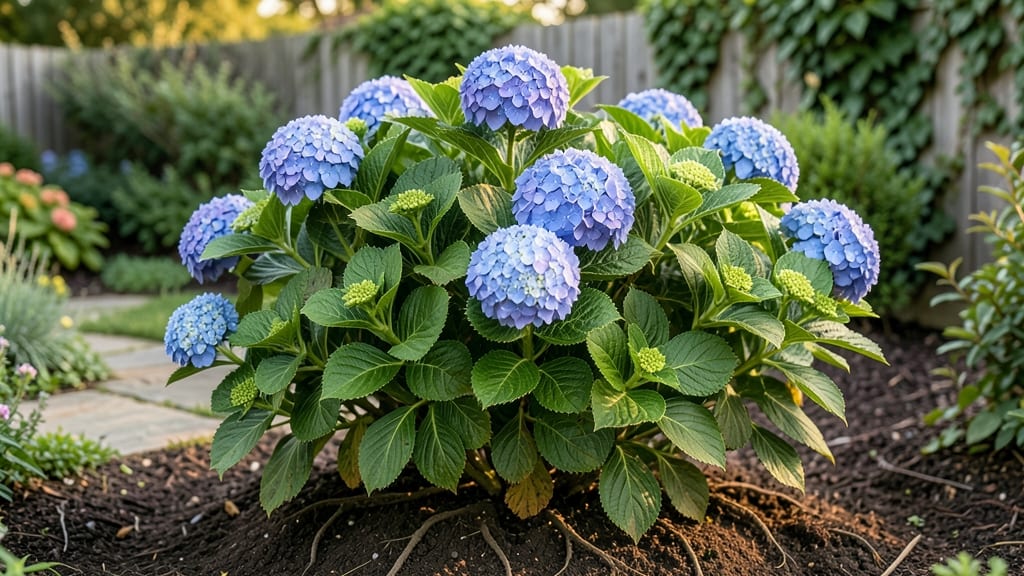
If you’ve ever dreamed of hydrangeas reaching for the sky—only to wonder how tall they will grow—you're not alone. The height of these stunning 🌸 hydrangeas can vary wildly depending on the type, where you live, and how you care for them.
Some varieties stay compact enough for containers, while others grow tall enough to shade entire patios. The key to controlling their height lies in understanding your specific hydrangea type and mastering a few simple pruning techniques.
Let me show you exactly how to predict and manage their growth, so you can enjoy their blooms without the headaches.
From the 3-foot charm of dwarf varieties to the towering 15-foot giants that can become garden focal points, we'll break down the exact height ranges for every major type.
Whether you're working with space constraints or aiming for a dramatic backyard statement, these insights will help you plan your garden like a pro.
Ready to stop guessing and start growing? Discover the secrets to keeping your hydrangeas at your ideal height—whether that means trimming them back or letting them flourish. Let’s get started!


Hydrangea height ranges by type: from compact to towering giants
If you’ve ever dreamed of hydrangeas cascading over your porch or staying neatly tucked in a container, the first question is: how tall will hydrangeas grow? The answer depends entirely on the variety you choose.
Some stay as petite as 2 feet, while others can reach towering 15 feet or more. Let’s break down the exact height ranges for the most popular types so you can plan your garden layout with confidence.
Hydrangeas are divided into two main groups: mophead and panicle types, but within those, the size variations are dramatic. For example, the Nikko Blue variety stays compact at just 3–5 feet, while the Grandiflora can soar to 8–12 feet.
Even within the same species, like Hydrangea macrophylla, dwarf varieties exist alongside giants. Knowing these differences helps you avoid planting a 10-foot shrub in a 3-foot space!
Below is a detailed breakdown of 10+ hydrangea varieties, their mature heights, and ideal spacing for each. Whether you’re designing a small courtyard or a sprawling landscape, this guide ensures you pick the perfect size for your space.
| Variety | Mature Height | Growth Habit | Ideal Spacing |
|---|---|---|---|
| Mini Penny™ | 2–3 ft | Compact, rounded | 18–24 in apart |
| Nikko Blue | 3–5 ft | Upright, bushy | 3–4 ft apart |
| Endless Summer® | 4–6 ft | Bushy, multi-stemmed | 4–5 ft apart |
| Limelight® | 6–8 ft | Pyramidal, upright | 5–6 ft apart |
| Grandiflora | 8–12 ft | Tall, arching | 8–10 ft apart |
| Panicle Hydrangea (e.g., 'Little Lime') | 3–5 ft | Compact, conical | 3–4 ft apart |
| Oakleaf Hydrangea (e.g., 'Snow Queen') | 5–8 ft | Bushy, rounded | 5–6 ft apart |
| Smooth Hydrangea (e.g., 'Annabelle') | 3–5 ft | Globular, dense | 3–4 ft apart |
| Climbing Hydrangea (e.g., 'Petite') | 10–15 ft+ (with support) | Vining, aggressive | Plant near trellis or fence |
How pruning affects hydrangea height: when, how, and why to trimPruning is the secret weapon for controlling hydrangea height—whether you want a compact bush or a tall statement plant. The right cuts can reduce growth by 30–50% or encourage taller stems for dramatic displays. But timing and technique matter more than you think! Most hydrangeas bloom on new wood (current year’s growth), so pruning too late can eliminate next year’s flowers. Others, like oakleaf hydrangeas, bloom on old wood and need gentle pruning. I’ll break down the do’s and don’ts for each type to keep your plant healthy and at your desired height.
⚠️ WARNING: Pruning Hydrangea macrophylla (mopheads/sasaquas) in fall or winter removes next year’s blooms! Always prune these types in early spring or right after flowering.
For panicle hydrangeas (H. paniculata), you can prune anytime except late summer—they bloom on new wood. Cut back 1/3 of the oldest stems each year to encourage height and fuller blooms. If you want a shorter plant, prune harder in late winter before new growth starts. Use sharp, clean pruners to avoid tearing stems. For taller varieties like ‘Limelight’ (up to 8–10 feet), prune above a leaf node at a 45-degree angle to promote stronger regrowth. Always remove dead or crossing branches first—they compete for nutrients and stunt height. In containers, prune 20–30% harder than in-ground plants to prevent root-bound stress, which limits height. Root-bound hydrangeas often grow taller but weaker—prune to encourage bushier growth and sturdier stems. After pruning, apply a balanced fertilizer (10-10-10) to support new growth. Pro tip: If your hydrangea is too tall for its spot, don’t panic! Prune back by 1/2 to 2/3 in early spring, and it’ll rebound with new, controlled growth by summer. Just be patient—it may take 1–2 seasons to reach your desired height again. |