
How To
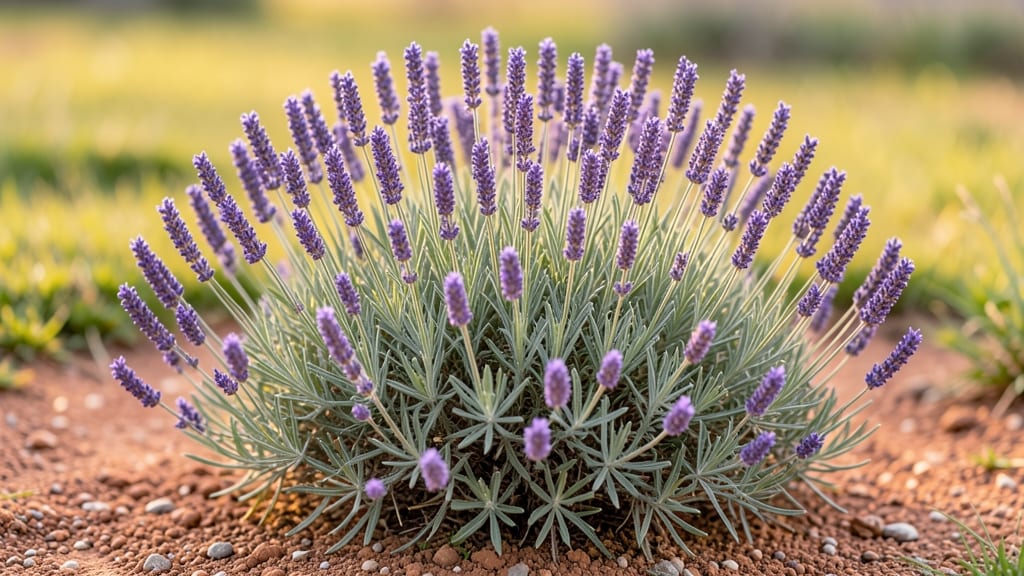
Wondering how tall will lavender grow in your garden? The answer isn’t one-size-fits-all—it depends on the variety you choose and how you care for it. Some types stay compact at just 1-2 feet, while others can reach nearly 4 feet with the right conditions.
Whether you’re planning a fragrant border or a low hedge, knowing these heights helps you design with confidence.
Lavender’s growth habits vary by type, but most fall into three categories: dwarf, standard, and tall varieties. Dwarf types like ‘Hidcote’ stay neat and manageable, while taller varieties like ‘Grosso’ can stretch toward 3-4 feet if left unpruned.
The key to controlling height lies in pruning—done correctly, it keeps your plants lush and prevents them from becoming leggy or woody.
Sunlight, soil, and even your local climate play a role in how tall your lavender grows. Too much shade or rich soil can lead to floppy stems, while proper drainage and full sun encourage strong, upright growth.
With the right approach, you can shape your lavender to fit your space—whether that’s a 1-foot border or a 4-foot backdrop.
Ready to get started? I’ll break down the exact heights for popular varieties and share pruning tips to keep your lavender looking its best. Let’s make sure your garden gets the perfect lavender fit!


Lavender height by variety: exact growth ranges for popular types
Lavender’s mature height varies dramatically by variety, with some staying compact at 1 foot while others reach towering 4 feet. Choosing the right type ensures your garden stays fragrant without becoming overgrown. Let’s explore the exact ranges for popular cultivars and their ideal spacing for a lush, organized look.
English lavender (Lavandula angustifolia) is the most common type, typically maturing between 2 and 3 feet. This variety thrives in USDA zones 5-9 and is perfect for borders or hedges.
French lavender (L. dentata) grows slightly taller, reaching 3 to 4 feet, with broader leaves that add texture to mixed plantings.
Spanish lavender (L. stoechas) is the showstopper, often hitting 3 to 5 feet with its distinctive "rabbit ear" flower tops. It’s less cold-hardy but perfect for Mediterranean-style gardens. For dwarf options, Lavandula 'Hidcote' stays under 2 feet, making it ideal for containers or edging.
Understanding these ranges helps you plan spacing: 18–24 inches apart for dwarf varieties and 3–4 feet apart for standard types. Proper spacing prevents overcrowding, which can stunt growth or invite pests.
Here’s a quick reference for mature heights, spacing, and ideal uses:
| Variety | Mature Height | Spacing | Ideal Use |
|---|---|---|---|
| English Lavender | 2–3 ft | 18–24 in | Hedges, borders |
| French Lavender | 3–4 ft | 3–4 ft | Specimen plants, mass plantings |
| Spanish Lavender | 3–5 ft | 4–5 ft | Accents, Mediterranean gardens |
| Dwarf (e.g., 'Hidcote') | 1–2 ft | 12–18 in | Containers, edging |
| Grosso Lavender | 2–3 ft | 24 in | Cut flowers, pollinator gardens |
Pro tip: Always check the specific cultivar’s tag for exact expectations. For example, Lavandula 'Munstead' stays compact at 2 feet, while 'Provence' can hit 4 feet with proper care. Soil drainage and sunlight also play huge roles in final height—more on that in the next section!
If you’re planting lavender in containers, choose dwarf varieties to avoid root-bound stress. A 12-inch pot works for dwarf types, while standard varieties need 18-inch pots or larger to thrive long-term.
For a fragrant hedge, mix English and French lavender for layered heights. Space them 2 feet apart and prune annually to maintain uniformity. The key is balancing variety diversity with spacing to avoid competition for nutrients and sunlight.
🌿
How pruning affects lavender height: techniques for controlled growth
Pruning is your secret tool to control lavender height—whether you want a neat 2-foot hedge or a tall 4-foot statement plant. Without proper pruning, lavender can become woody and leggy, losing its compact, fragrant charm. The key is timing and technique, which I’ll break down for you.
Most lavender varieties bloom on new wood, meaning they produce flowers on current year’s growth. If you prune at the wrong time, you risk reducing next year’s blooms.
For example, French lavender (like 'Grosso') responds well to light spring pruning, while English lavender (like 'Munstead') can handle slightly harder cuts.
Here’s the golden rule: Prune right after flowering (late summer to early fall) to shape your plant for the next season. This gives lavender time to regenerate new growth before winter dormancy. Avoid pruning in late fall or winter, as this can stress the plant and delay spring blooms.
Warning: Over-Pruning Risks
Cutting more than 1/3 of the plant at once can stunt growth or even kill lavender. Always use sharp, clean shears to avoid tearing stems, which invites disease.
For dwarf varieties (like 'Hidcote'), stick to light shaping—just trim back any overly long stems to maintain their 1–2 foot height. Use your fingers or small pruners to pinch back tips in early spring to encourage bushiness.
This method works wonders for container-grown lavender, keeping it compact and manageable.
If you’re growing lavender as a hedge or border, aim for a consistent height by pruning uniformly. Start with a guidewire or string to mark your desired height (usually 2–3 feet for most varieties).
After flowering, trim the outer stems first, then gradually work inward to avoid uneven growth. Repeat this process annually in late summer or early fall.
Remember, lavender hates wet feet, so always prune on a dry day to reduce stress. Pair your pruning with a light mulch of gravel around the base to improve drainage—this combo keeps your lavender healthy, bushy, and at your desired height for years to come.