
How To
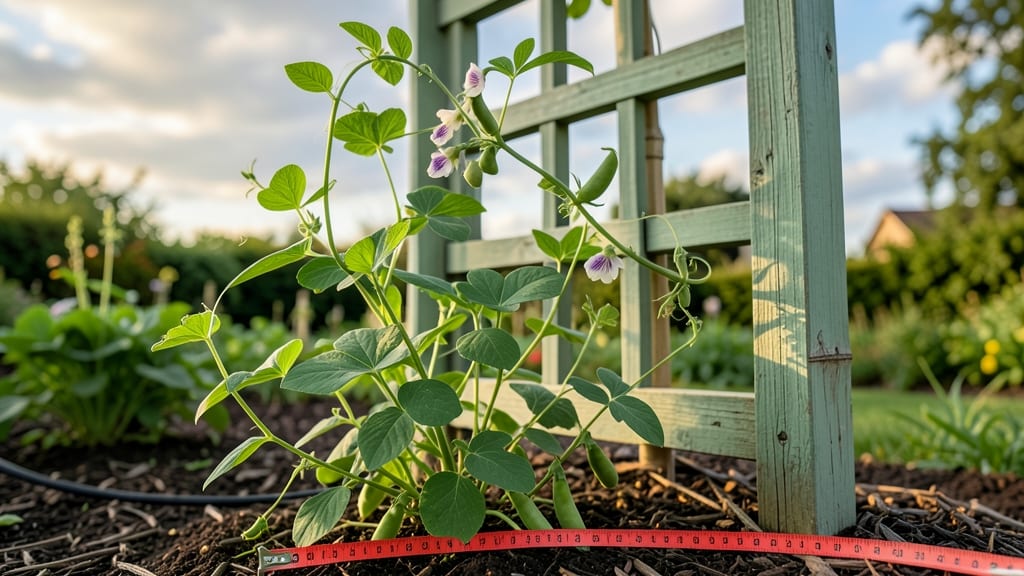
If you’re wondering how tall will peas grow in your garden, the answer depends on one key choice: the variety you plant. Some peas stay compact like a neat little bush, while others climb like eager vines reaching for the sky.
The right selection can turn your garden into a lush vertical feast—or leave you scrambling for space.
Peas fall into two main categories: bush varieties, which max out around 2-3 feet, and climbing types that can soar up to 8 feet or more with proper support. That’s a huge difference in how you’ll need to plan your garden layout.
Whether you’ve got a tiny balcony or a sprawling backyard, picking the right type ensures your peas thrive without taking over.
Here’s the game-changer: trellises and stakes aren’t just optional—they’re essential for climbing peas. Without them, those towering vines sprawl everywhere, crowding out other plants and making harvests messy.
But with the right setup, you’ll get better airflow, fewer pests, and easier access to pods. Plus, vertical growing saves space and keeps your garden tidy.
Ready to maximize your harvest? I’ll break down the best varieties for your space, how to train them for peak height, and simple tips to keep your peas productive all season. Let’s get growing!


Pea plant height by variety: trellis vs bush types compared
Peas are one of the most versatile vegetables for space-saving gardens, with heights ranging from compact bushes to towering climbing vines. The variety you choose determines whether your peas will stay under 2 feet or reach 8 feet tall with proper support.
Understanding these differences helps you plan your garden layout and maximize vertical space.
Most gardeners categorize peas into three main height groups: dwarf varieties (1-3 feet), semi-dwarf varieties (3-5 feet), and standard climbing varieties (5-8 feet). Dwarf peas grow as bush plants without needing trellises, while climbing varieties require sturdy supports to reach their full height potential.
The right choice depends on your garden’s available space and your preference for ease of harvesting.
For example, 'Little Marvel' peas stay under 2 feet, making them perfect for container gardens or small plots. Meanwhile, 'Wando' peas can climb up to 8 feet, ideal for fence trellises or tall garden stakes.
Knowing these height ranges ensures you select varieties that fit your garden’s dimensions while meeting your yield goals.
Here’s how the three main pea types compare in terms of height and growth habits:
Climbing peas, like 'Sugar Snap' or 'Oregon Sugar Pod', thrive when given vertical support. Without a trellis, they’ll sprawl across the ground, reducing airflow and increasing disease risk. Bush peas, on the other hand, are self-supporting and ideal for gardeners who prefer low-maintenance plants.
If you’re short on space, dwarf varieties are your best bet, while climbing types excel in larger gardens or along fences.
Another key factor influencing height is the growing season length. In cooler climates, peas may mature faster and reach their full height sooner, while warmer regions might see slower growth but taller vines if conditions are ideal.
Always check the days to maturity on seed packets to align your variety with your local growing season.
For urban gardeners or those with limited space, consider semi-dwarf varieties like 'Sugar Ann', which strike a balance between height and manageability. These grow 3-5 feet tall but don’t require as much vertical space as full climbers.
Pair them with a 3-foot trellis or let them sprawl slightly for a flexible approach.
If you’re planning a vertical garden, prioritize climbing varieties and invest in a sturdy trellis. A 6-foot tall trellis can support varieties like 'Wando', turning a small footprint into a high-yielding vertical garden.
Just ensure the trellis is buried 6 inches deep or secured tightly to the ground to prevent toppling under the weight of mature vines.
Finally, remember that soil fertility and watering consistency also impact height. Peas grown in nutrient-rich soil with regular moisture tend to produce longer vines and more pods. If your soil is poor, amend it with compost before planting to encourage robust growth.
🌱
Pea plant height by variety: trellis vs bush types compared
When planning your garden, knowing how tall your peas will grow helps you decide between bush peas and climbing varieties. Bush peas stay compact, perfect for small spaces, while climbing types reach impressive heights with the right support.
The difference in height isn’t just about space—it also affects yield, airflow, and ease of harvest.
Most dwarf varieties like 'Little Marvel' max out at 1-2 feet, making them ideal for containers or tight garden beds. On the other hand, standard climbing peas like 'Wando' can tower up to 8 feet when given a sturdy trellis.
Semi-dwarf types like 'Sugar Snap' strike a balance at 3-5 feet, offering a middle ground for both height and productivity.
| Variety Type | Height Range | Growth Habit | Best For |
|---|---|---|---|
| Dwarf | 1-3 ft | Bush | Containers, small gardens |
| Semi-Dwarf | 3-5 ft | Trellis (short) | Balconies, raised beds |
| Climbing | 5-8 ft | Trellis (tall) | Large gardens, vertical spaces |
Climbing peas need support structures like trellises, fences, or even sturdy stakes to reach their full potential. Without support, they’ll sprawl, reducing airflow and increasing disease risk. Bush peas, however, thrive without extra support, making them a low-maintenance choice for beginners or small plots.
For maximum yield, choose climbing varieties if you have vertical space—they produce more pods per plant. But if your garden is limited, dwarf or semi-dwarf types will still deliver a bountiful harvest in a compact footprint.
Always check seed packets for height ranges, as some varieties labeled "semi-dwarf" might still need light support.
Proper spacing is key: bush peas need about 4 inches apart, while climbing types should have 2-3 feet between plants to avoid overcrowding. This ensures each plant gets enough sunlight and nutrients to grow to its full height potential.
Whether you’re aiming for a short, tidy bush or a tall, dramatic trellis, selecting the right variety sets the stage for a successful harvest. Now that you know the height ranges, you can plan your garden layout with confidence—whether you’re working with a windowsill or a sprawling backyard.