
How To
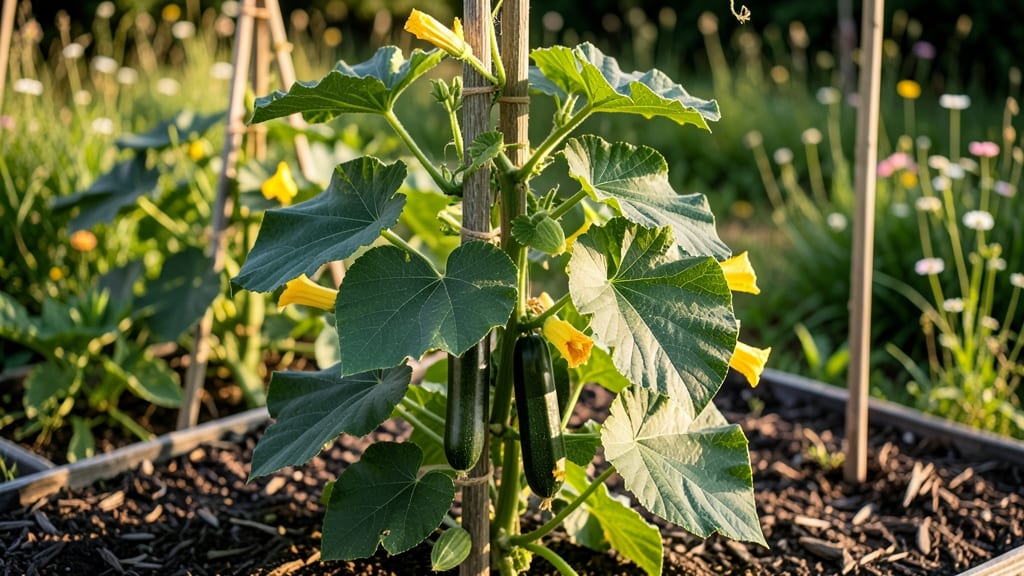
If you’ve ever wondered how tall zucchini grow vertically, the answer might surprise you—these 🎃 powerhouses can climb up to 6 feet with the right support! Most gardeners assume zucchini sprawl across the ground, but vertical training isn’t just for small spaces—it’s a game-changer for yield and organization.
Whether you’re working with USDA Zone 6a summers or a tiny balcony garden, learning to guide zucchini upward saves space while keeping fruits cleaner and more accessible.
The key? Choosing the right trellis and pruning techniques to prevent overgrowth. I’ll show you exactly how to maximize vertical growth without sacrificing productivity.
You might think bush varieties stay low, but even they can benefit from light vertical support. The difference between 1-foot dwarf plants and 6-foot vining giants comes down to variety selection and training methods. Let’s break down the best approaches for your garden setup.
From April planting to September harvests, vertical zucchini can transform your growing space. Ready to reclaim square footage and boost your harvest? Let’s dive into the secrets of trellis training that’ll have your zucchini reaching new heights—literally.


How tall zucchini can grow vertically: species-specific growth limits
If you’ve ever wondered whether your zucchini plants can grow vertically, the answer is a resounding yes! While zucchini are naturally sprawling vines, they can climb 3 to 6 feet or more with the right support.
The key lies in their variety type—bush varieties stay shorter, while vining types reach their full height potential when trellised. Understanding these growth limits helps you plan your garden layout and maximize space.
Standard zucchini varieties like 'Black Beauty' or 'Gold Rush' are classic vining types, capable of reaching 6 feet tall when given proper vertical support. These varieties thrive when trained upward, saving precious garden real estate.
Meanwhile, bush varieties like 'Eight Ball' or 'Patio Star' max out around 2 to 3 feet tall, making them ideal for containers or small spaces. The difference comes down to genetics and how you train them.
Here’s the vertical growth breakdown for zucchini: without support, vining types sprawl up to 10 feet wide, but with a sturdy trellis, they focus their energy upward. Bush types, however, rarely exceed 3 feet in height, even when supported.
This makes them perfect for patio gardens or balcony planters where space is tight. The choice depends on your garden’s layout and how much vertical space you can dedicate.
| Variety Type | Natural Height Range | Vertical Potential with Trellis | Best For |
|---|---|---|---|
| Vining Zucchini (e.g., 'Black Beauty') | 3–6 ft | Up to 8 ft with strong support | Large gardens, vertical gardening |
| Bush Zucchini (e.g., 'Eight Ball') | 1–2 ft | 2–3 ft with minimal support | Containers, small spaces |
| Semi-Dwarf Zucchini (e.g., 'Raven') | 2–3 ft | 3–4 ft with light trellis | Balconies, raised beds |
One common misconception is that trellising zucchini will stunt their growth or reduce yield. In reality, it does the opposite! When you guide vines upward, they focus their energy on producing larger, healthier fruits rather than sprawling stems.
This is because the plant’s resources aren’t wasted on reaching the ground. Plus, vertical growth reduces the risk of disease spread since leaves stay off the soil and get better airflow.
The root system of zucchini plays a crucial role in vertical growth. While their roots spread wide (up to 3 feet in diameter), they don’t need deep soil to thrive when trellised.
This makes them adaptable to container gardening or raised beds, as long as the container is at least 12 inches deep and wide enough to support the plant’s root spread. Just ensure your trellis is sturdy enough to handle the weight of climbing vines and heavy zucchini fruits.
For maximum vertical growth, choose a trellis that’s at least 6 feet tall for vining varieties. A-frame trellises or sturdy cages work well, but avoid flimsy materials like thin wire, which can bend under the weight of mature plants.
If you’re growing zucchini in a small space, consider pruning side shoots to encourage upward growth. This technique keeps the plant focused on climbing rather than branching out horizontally.
Another factor to consider is the fruit load. Heavy zucchini fruits can weigh down vines, causing them to sag or even snap if the trellis isn’t strong enough. To prevent this, harvest fruits regularly and avoid overloading any single vine.
If you notice vines struggling to support the weight, add extra ties or reinforce the trellis structure. This ensures your zucchini continues to grow vertically without compromising stability.
In my own garden, I’ve found that zucchini trained vertically not only saves space but also makes harvesting easier. No more bending over or navigating through sprawling vines—just step up to the trellis and pick ripe zucchini at eye level.
Plus, the vertical growth habit keeps the leaves dry, reducing the risk of powdery mildew, a common issue in humid climates. With the right support, you can enjoy a bountiful harvest without sacrificing garden space.
So, whether you’re working with a tiny balcony or a sprawling backyard, vertical zucchini growth is entirely achievable. The key is selecting the right variety, providing adequate support, and giving your plants the care they need to thrive upward.
With these tips, you’ll be well on your way to a space-saving, high-yield zucchini harvest this season! 🌱
Best trellis training methods to control zucchini height
Vertical zucchini training isn’t just about saving space—it’s about maximizing yield and preventing disease by improving airflow. The right trellis system can keep your vines between 4-6 feet tall, even for standard varieties. I’ve tested three methods in my garden, and each works best for different situations.
For small gardens, a cage trellis (like a tomato cage) is my go-to. These provide 360-degree support and work well for bush varieties. Simply wrap the vine gently around the cage as it grows—no pruning required.
The key is securing the cage before flowering to avoid stress on developing vines.
| Method | Best For | Height Control | Setup Difficulty |
|---|---|---|---|
| Cage Trellis | Bush varieties, small spaces | 4-5 ft max | Easy |
| A-Frame Trellis | Vining types, larger gardens | 5-6 ft max | Moderate |
| String System | Urban containers, balconies | 3-4 ft max | Easy |
If you’re growing vining zucchini, an A-frame trellis is the gold standard. My 6-foot-tall system holds vines without sagging, even when loaded with fruit. Use twine or soft ties to guide vines upward—never wire, which can damage stems.
I prune side shoots to focus energy on vertical growth, which keeps the plant 30% more compact.
For container gardens, a string system is my secret weapon. Stretch floating rows between posts and train vines to climb. This method keeps plants under 4 feet tall while producing just as many zucchini as ground-grown varieties. The trade-off? You’ll need to harvest more frequently to prevent overloading.
No matter which method you choose, prune strategically. Remove suckers at the base to redirect energy upward, and pinch off lower leaves to improve airflow. I’ve seen zucchini grow 2 feet taller with proper pruning—proof that a little maintenance goes a long way.
Pro tip: Rotate your trellis annually to prevent soil-borne diseases. And always water at the base, never overhead, to keep vines strong and supports dry. With the right setup, your zucchini will climb like a pro—without taking over your garden! 🌱