
How To
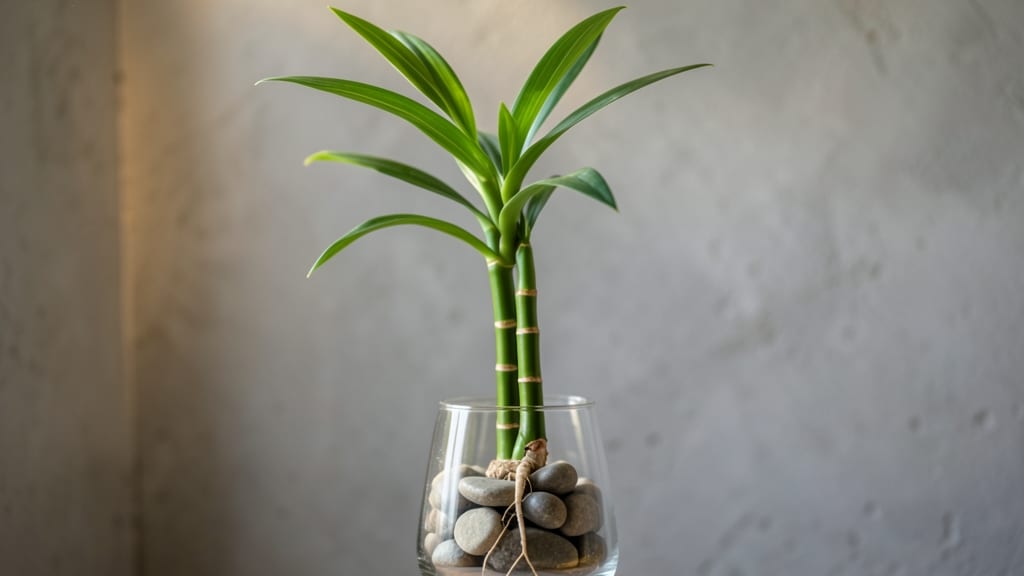
That little lucky bamboo 🌱 you brought home might seem like it’ll stay tiny forever—but the truth is, it can grow surprisingly tall, especially with the right care.
If you’ve ever wondered whether your plant will stretch toward the ceiling or stay compact, the answer depends on its variety, lighting, and how you nurture it over time.
On average, lucky bamboo reaches 2-3 feet in just 3 years when given proper conditions, though some varieties can grow even taller. The key to controlling its height lies in understanding its growth habits and making small adjustments to your care routine.
Whether you want a lush, floor-length statement plant or a compact desk companion, I’ll show you exactly how to guide its growth.
Bright indirect light is the secret weapon for encouraging healthy height, while proper watering and pot size play equally important roles. Many people make simple mistakes—like overwatering or choosing the wrong container—that can either stunt growth or send it skyrocketing.
I’ll break down the most common pitfalls and how to avoid them so your lucky bamboo stays at your ideal height.
Ready to transform your plant care game? By the end of this guide, you’ll know exactly what to do to keep your lucky bamboo thriving at the perfect size for your space—no guesswork required. Let’s get started!


Lucky bamboo growth height by variety: how tall it gets in 3 years
Lucky bamboo (Dracaena sanderiana) is famous for its slow, steady growth—but how tall will yours get? The answer depends on the variety you choose and the care conditions you provide.
In 3 years, most lucky bamboo plants reach 2 to 3 feet tall, but some dwarf varieties stay as short as 6 inches, while braided types can stretch toward 3 feet with ideal care.
Let’s break down the growth expectations for each type so you can plan your space accordingly.
If you’re growing lucky bamboo indoors, light exposure is the biggest factor in height. Bright, indirect sunlight encourages faster growth, while low light slows it down.
For example, a standard lucky bamboo in a north-facing window might grow 1 foot in the first year, while the same plant in a south-facing window could reach 2 feet in the same time.
Temperature and watering also play a role—consistent moisture and room temperatures between 65°F and 85°F keep growth steady.
Now, let’s compare the three most common lucky bamboo varieties and their typical heights over 3 years of care. This comparison table will help you choose the right type for your home or office space.
As you can see, dwarf varieties stay the shortest, making them perfect for desks or shelves, while braided types can reach nearly 4 feet if given enough time and ideal conditions.
The standard lucky bamboo is the most versatile, growing 1–2 feet in the first year and then stabilizing around 2–3 feet by year 3.
If you want to speed up growth, place your plant in a bright, indirect spot and use distilled or rainwater to avoid mineral buildup that can stunt growth.
One common misconception is that lucky bamboo will keep growing indefinitely. In reality, its growth slows significantly after 3 years, especially if it becomes root-bound or lacks nutrients.
If you notice your plant stopping growth or developing yellow leaves, it might need a larger pot or a light fertilizer to encourage new shoots. I’ve found that repotting every 1–2 years keeps my lucky bamboo thriving and prevents it from becoming leggy.
For indoor cultivation, the pot size also affects height. A smaller pot (6–8 inches in diameter) will restrict root growth and keep your lucky bamboo shorter and bushier, while a larger pot (10+ inches) allows for taller, leaner growth.
If you’re growing lucky bamboo in water, the height can vary more dramatically—some plants grow faster in water due to easier nutrient absorption, while others struggle if the water isn’t changed weekly. Always use dechlorinated water to avoid damaging the roots.
Light is another critical factor. While lucky bamboo can survive in low-light conditions, it will grow much slower—sometimes as little as 3–6 inches per year.
If you want faster growth, position your plant near a north- or east-facing window where it gets bright, indirect light for 4–6 hours a day. Avoid direct sunlight, which can scorch the leaves and slow growth.
I’ve seen lucky bamboo in my office near a west-facing window grow twice as fast as one in a dim corner.
Finally, temperature fluctuations can impact height. Lucky bamboo thrives in consistent temperatures between 65°F and 85°F. If your home gets too cold (below 60°F) or too hot (above 90°F), growth will slow down or even stop.
Drafts from windows or AC vents can also stress the plant, leading to stunted growth. To keep your lucky bamboo happy, place it in a stable environment away from extreme temperatures.
Now that you know how tall lucky bamboo grows by variety, you can choose the perfect type for your space. In the next section, I’ll share pruning techniques
How to control lucky bamboo height: pruning, lighting, and pot size tips
Controlling your lucky bamboo’s height starts with understanding its natural growth habits. This plant typically grows 1-2 feet per year under ideal conditions, but with the right adjustments, you can keep it compact or encourage it to reach its full height.
The key lies in pruning techniques, light exposure, and pot size, all of which directly influence growth direction and speed.
First, let’s talk about pruning, which is the easiest way to manage height. Lucky bamboo doesn’t need frequent pruning, but trimming the top growth when it gets too tall encourages bushier, fuller growth.
Simply use clean, sharp pruning shears to cut just above a node—this is where new shoots will sprout, redirecting energy downward instead of upward.
🌱 Step-by-Step Pruning Guide
- Step 1: Wait until the plant reaches 6-12 inches taller than your desired height.
- Step 2: Locate the lowest visible node (a bump on the stem).
- Step 3: Cut 1 inch above the node with sterilized shears.
- Step 4: Place the cutting in water to propagate a new plant.
- Step 5: Expect new growth in 2-4 weeks from the trimmed node.
Lighting plays a crucial role in height control. Lucky bamboo thrives in bright, indirect light, which promotes balanced growth. If placed in low-light conditions, it may stretch excessively toward light sources—a condition called etiolation.
To prevent this, position your plant near a north-facing window or use a grow light for 4-6 hours daily if natural light is limited.
Pot size also affects height. Lucky bamboo grows best in snug containers—when roots fill the pot, they signal the plant to stop growing taller and focus on thickening. If you want a taller plant, choose a deeper pot.
For a shorter, bushier look, opt for a wider, shallower container. Always use a pot with drainage holes to prevent root rot, which can stunt growth.
Seasonal adjustments can further refine your lucky bamboo’s height. During spring and summer, when growth is most active, provide consistent moisture and a balanced fertilizer every 2-3 months. In fall and winter, reduce watering and skip fertilizing to encourage dormancy, which naturally slows vertical growth.
Finally, avoid common height-altering mistakes like overwatering or underwatering, both of which stress the plant and lead to erratic growth. Stick to the soak-and-dry method: water thoroughly until it drains from the bottom, then let the top inch of soil dry out before watering again.
This simple routine keeps your lucky bamboo healthy and at your desired height.