
How To
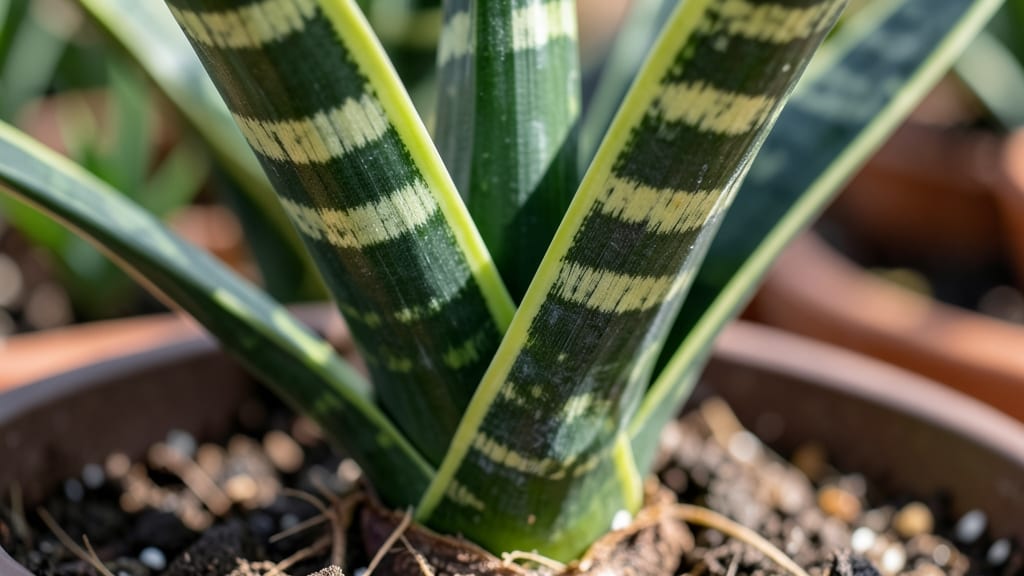
Snake plant height by year: growth stages explained
If you’ve adopted a snake plant (Sansevieria trifasciata), you’ve likely noticed its slow-but-steady growth pattern. Unlike fast-growing houseplants, snake plants grow in distinct phases—juvenile, mature, and over-mature—each with unique height milestones. Understanding these stages helps you set realistic expectations and adjust care to encourage vertical growth.
The most common variety, Sansevieria trifasciata, typically reaches its full height between 3 and 10 years, but some varieties can take longer. Growth slows dramatically after maturity, often focusing on leaf thickness rather than height.
Let’s break down the exact height progression year by year, so you can track your plant’s development.
📊 Visual Growth Guide: Below is a snapshot of how your snake plant’s height evolves, including leaf width changes and care adjustments needed at each stage.
| Age | Height Range | Leaf Width | Growth Focus | Care Tip |
|---|---|---|---|---|
| 0-1 Year | 6-12 inches | 1-2 inches | Root establishment | Use small pots; minimal watering |
| 1-3 Years | 1-2 ft | 2-3 inches | Vertical growth | Repot if root-bound; bright indirect light |
| 3-5 Years | 2-3 ft | 3-4 inches | Leaf thickening | Reduce watering; fertilize lightly in spring |
| 5-10 Years | 3-4 ft | 4-6 inches | Mature height | Prune old leaves; avoid overcrowding |
| 10+ Years | 4+ ft (rare) | 5-8 inches | Minimal growth | Divide clumps; propagate pups |
In the first year, your snake plant focuses on establishing roots, so height gains are modest—typically 6-12 inches.
This is the perfect time to keep it in a small pot (6-8 inches wide) to encourage upward growth. Bright indirect light and infrequent watering (every 2-3 weeks) will prevent legginess and support sturdy stems.
By years 2-3, you’ll notice a growth spurt as the plant enters its vertical expansion phase. Leaves may reach 1-2 feet tall and widen to 2-3 inches.
This is when many gardeners repot their snake plants into slightly larger containers (10-12 inches wide) to accommodate root growth. Overcrowding in small pots can stunt height, so monitor root development closely.
Between years 3-5, your snake plant shifts focus from height to leaf thickness. While it may only add a few inches in height, leaves become noticeably wider (3-4 inches) and more rigid.
This phase is ideal for light fertilization (once in early spring) to support leaf development. Avoid heavy feeding, as it can encourage weak, floppy growth instead of vertical strength.
At 5-10 years, your snake plant reaches its peak height, typically 3-4 feet tall. Some varieties, like Sansevieria ‘Futura Superba’, may exceed this range, but most standard types plateau here.
This is also when you’ll need to prune old leaves to maintain aesthetics and encourage new growth from the base.
After 10 years, growth slows to a crawl, and your snake plant may even stop gaining height entirely. Instead, it focuses on propagating pups (baby plants) or thickening existing leaves. This is a great time to divide clumps and repurpose older leaves for propagation.
With proper care, a well-established snake plant can live for decades, continuing to thrive long after it stops growing taller.
🌱 Pro Tip: To encourage taller growth, place your snake plant in a south-facing window (if possible) and rotate the pot every few months. This ensures even light exposure, preventing lopsided growth and promoting straight, vertical development.
How to maximize snake plant height: light, soil & care tips
Your snake plant’s height potential isn’t just genetics—it’s heavily influenced by your care routine. With the right conditions, you can coax 3-4 feet of lush, upright growth from a single plant. The key?
Mimicking its natural African savanna habitat where it thrives in bright, indirect light and well-draining soil. Let’s break down the exact care adjustments that’ll make your plant reach for the sky.
First, light exposure is non-negotiable. While snake plants tolerate low light, they grow 2x slower in dim conditions. Place yours within 3-6 feet of an east-facing window for optimal morning sun without scorching.
If natural light is limited, supplement with a grow light (12-14 hours/day) positioned 6-12 inches above the plant. Rotate the pot quarter-turn weekly to prevent lopsided growth toward the light source.
🚨 WARNING: Direct midday sun can scorch leaves and stunt growth. If your plant develops yellow or brown tips, it’s a sign of sunburn—move it back 2-3 feet from the window immediately. Over time, this adjustment will encourage taller, straighter leaves rather than compact, stressed foliage.
⚠️ Common Mistake: Overwatering = Stunted Growth
Snake plants store water in their thick leaves, so soggy soil suffocates roots and halts vertical growth. Always check soil moisture by sticking your finger 2 inches deep—water only when completely dry. In winter, reduce watering to every 4-6 weeks to prevent rot.
💡 Pro Tip: Use a pot with drainage holes and a cactus/succulent mix (60% mineral grit, 40% peat). This combo mimics their natural sandy soil and encourages deeper root systems for taller growth.
Pot size plays a surprising role in height. A root-bound snake plant (roots circling the pot) diverts energy to survival instead of upward growth. Upgrade to a container that’s 2-3 inches wider than the current root ball every 2-3 years.
For tall varieties like ‘Futura Superba’, choose a pot that’s deeper than wide (e.g., 12" deep × 8" wide) to support their vertical growth habit.
Fertilizing strategically can add 6-12 inches to your plant’s height over a year. Use a balanced liquid fertilizer (5-5-5 NPK) once in spring and once in fall—never in summer when the plant is dormant. Dilute to half-strength and apply to moist (not soggy) soil to avoid root burn.
For a growth boost, mix in 1 tbsp of worm castings into the top inch of soil annually for natural nutrients.
Finally, pruning old leaves at the base encourages new, taller shoots. Use sterile scissors to cut leaves 1 inch above the soil line when they yellow or brown. The plant will redirect energy to juvenile leaves, which grow 10-20% taller than mature ones.
Just avoid pruning in winter—this is when the plant conserves energy for survival, not growth.