
Companion Plants
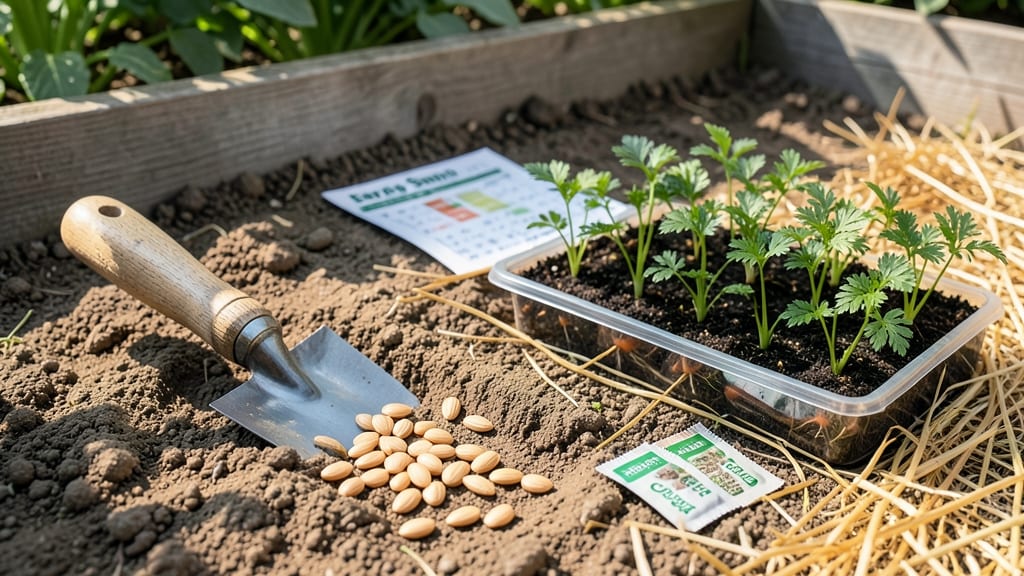
Ideal planting windows for carrots in Zone 6 by soil temperature
Carrots thrive when planted in Zone 6 during two key windows: early spring and late summer. The secret to success lies in soil temperature—carrot seeds need 40°F to 60°F to germinate properly. Planting too early or too late risks poor germination or frost damage.
In Zone 6, the last frost date typically falls around mid-April, but this varies by location. For reliable results, aim to plant 2–3 weeks before your average last frost date. This gives seedlings time to establish roots before warmer weather arrives.
Carrots also perform well in late summer, with a second planting window in July or August. This allows roots to mature before first frost hits in mid-October. Fall-planted carrots often taste sweeter due to cooler temperatures.
Here’s a quick reference for your Zone 6 planting schedule:
| Planting Window | Soil Temp Requirement | Zone 6 Months | Frost Risk |
|---|---|---|---|
| Early Spring | 40°F–50°F | March–April | High (plant after last frost) |
| Late Spring | 50°F–60°F | April–May | Low (warm soil = faster growth) |
| Late Summer | 55°F–65°F | July–August | Moderate (harvest before frost) |
| Fall (Bonus Window) | 50°F–60°F | September (early) | High (cover with row fabric) |
For early spring plantings, start seeds indoors 4–6 weeks before your last frost date. Transplant seedlings outdoors when soil warms to 50°F and nighttime temperatures stay above 40°F. This prevents stunted growth.
If your soil is rocky or compacted (common in Zone 6), loosen it to 12 inches deep before planting. Carrots need space to grow straight roots. Mix in compost to improve drainage and fertility.
In late summer, focus on short-day varieties like 'Paris Market' or 'Little Finger'. These mature faster and handle cooler fall temperatures better than long-season types.
Pro tip: Use a soil thermometer to check temperatures before planting. If soil is below 40°F, wait 1–2 weeks or use black plastic mulch to warm it faster.
Overcrowding is a common mistake. Thin seedlings to 2–3 inches apart once they’re 2 inches tall. This prevents forked or stunted roots.
In Zone 6, fall-planted carrots can extend your harvest until November. Just cover rows with frost cloth when temperatures dip below 35°F.
Ideal planting windows for carrots in Zone 6 by soil temperature
Carrots thrive when planted in cool soil temperatures between 40°F and 60°F. In Zone 6, this means timing your plantings carefully to avoid frost damage or heat stress. The best windows are early spring and late summer, but soil conditions are everything.
For spring plantings, aim for 2–3 weeks before your last frost date, typically around mid-March to early April in Zone 6. Use a soil thermometer to confirm temps are above 40°F—cold soil can stunt germination.
If your area has rocky or compacted soil, consider starting seeds indoors 4–6 weeks earlier.
Fall plantings work well too! Sow seeds 8–10 weeks before your first frost (usually late July to early August in Zone 6). This gives carrots time to mature before winter sets in. Avoid planting too late—cool nights and warm days in late summer create ideal conditions.
| Planting Window | Soil Temp | Frost Risk | Notes |
|---|---|---|---|
| Early Spring (March) | 40°F–50°F | High (last frost risk) | Use cold frames or row covers for protection. |
| Late Spring (April) | 50°F–60°F | Low | Ideal for fast germination and growth. |
| Late Summer (July–August) | 55°F–65°F | Moderate (first frost risk) | Harvest before soil cools below 50°F. |
| Fall (September) | 50°F–60°F | High (first frost risk) | Best for short-season varieties. |
Zone 6 gardeners often struggle with rocky or clay-heavy soil, which can cause forked or stunted carrots. Loosen soil to 12 inches deep with a broadfork or compost to improve drainage.
If your soil stays too wet, carrots may rot—raise beds or plant on mounds for better airflow.
For successful fall harvests, choose fast-maturing varieties like 'Early Nantes' or 'Paris Market' (50–60 days to maturity). These handle cooler temps better than long-season types. Mulch with straw or leaves to insulate roots and extend the harvest window into October or November.
Pro tip: Succession planting every 2 weeks from April to July ensures a steady supply. Thin seedlings to 2–3 inches apart to avoid competition—crowded carrots split or grow small. Watch for carrot rust fly in late summer and use floating row covers if needed.