
Container Gardens
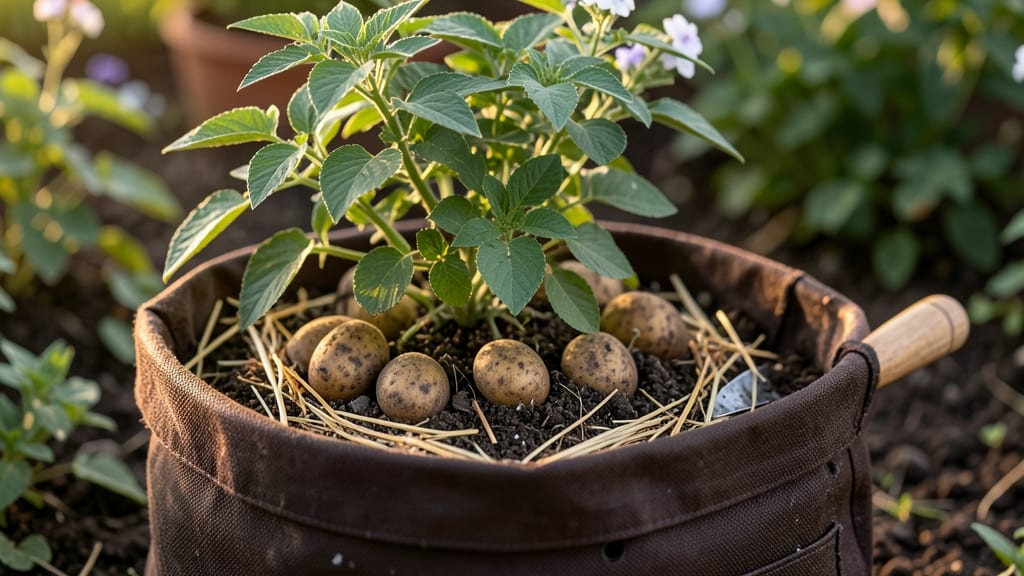
Knowing when to plant potatoes in containers isn't just about timing—it's about unlocking the secret to a bountiful harvest, even in small spaces. Unlike traditional in-ground planting, container-grown 🥔 thrive when you follow the right seasonal cues, especially in zones like 6a where frost can be a sneaky spoiler.
Plant too early, and your tubers might rot before they mature. Too late, and you’ll miss the sweet spot for summer harvests.
The key is getting those seed potatoes in the ground 2-4 weeks before your last frost, but with containers, you’ve got extra flexibility to adjust for space and weather quirks.
I’ll walk you through the exact weeks to plant by zone, how to prep your containers for success, and the early signs your potatoes are ready to harvest—so you can avoid common mistakes and enjoy homegrown spuds all season long.
Whether you’re a first-time gardener or a container veteran, these tips will help you grow potatoes that outperform even the best store-bought varieties. Let’s get started!
Best planting weeks for potatoes in containers by USDA hardiness zones
Timing is everything when planting potatoes in containers—especially since containers warm up faster than in-ground soil, which can either speed up or delay growth depending on when you start.
In USDA Zones 3-10, the ideal window is 2-4 weeks before your last frost date, but container gardeners must also account for soil temperature thresholds (at least 45°F) and frost risk.
For example, in Zone 5, where last frost often hits mid-April, I plant my Yukon Gold potatoes in late March to ensure tubers have time to mature before summer heat.
Meanwhile, in Zone 9, with mild winters, I opt for late summer planting (August) to avoid blight and enjoy a fall harvest.
Containers also mean you can stagger planting for continuous harvests—just space out varieties by 2-3 weeks. Fast-maturing types like Red Pontiac (60 days) can go in first, followed by slower Russet Burbank (90 days). This strategy maximizes your container space and extends your harvest window.
Soil temperature is your best friend here. Use a soil thermometer to confirm your container mix is 50°F+ before planting. If temps fluctuate, opt for black containers, which absorb heat faster than white or red ones. Cold soil slows sprouting and invites rot—especially in moist containers.
Here’s a quick rule of thumb: Count backward from your first frost date and subtract the days to maturity for your chosen variety. Add 2-3 weeks as a buffer for slow starts.
For instance, a 90-day variety in Zone 6 (first frost: October 15) should go in by June 15.
Containers also let you plant later in the season than in-ground gardens. Since they warm up faster in spring, you can push planting to early May in cooler zones (like Zone 4) without risking frost damage. Just use row covers for extra protection if nights dip below 40°F.
🌱Pro Tip: If you’re in a hot climate (Zones 8-10), avoid planting in peak summer (June-July). The heat stresses plants, and tubers may sprout prematurely or develop hollow heart. Instead, aim for late summer (August) for a fall harvest.
🌍 Best Planting Weeks for Containers by USDA Zone
| Zone | Last Frost Date | Ideal Planting Window | Soil Temp Threshold | Notes |
|---|---|---|---|---|
| 3-4 | Mid-May | Late April | 50°F+ | Use row covers for frost protection |
| 5-6 | Mid-April | Late March to early April | 45°F+ | Black containers warm faster |
| 7-8 | Early January | Late summer (August) for fall harvest | 60°F+ | Avoid summer planting |
| 9-10 | None (tropical) | Year-round (best in fall/winter) | 65°F+ | Watch for blight in humidity |
⚠️ Container-Specific Note: Always use containers with drainage holes and fill with well-draining mix (60% soil, 30% compost, 10% perlite).
One common mistake is planting too early in containers, which leads to overcrowded tubers or blight from excess moisture. If your container mix stays cold and soggy (below 50°F for weeks), sprouts may rot before emerging.
To test readiness, press your finger into the soil—it should feel like a wrung-out sponge, not a mud pie.
For urban balconies or patios, I’ve found that 5-gallon containers work best for 1-2 potato plants, while 10-gallon grow bags can handle 3-4 plants. Deeper isn’t always better—focus on width (at least 1
Best planting weeks for potatoes in containers by USDA hardiness zones
Potatoes thrive in containers when planted at the right time, but unlike in-ground planting, containers warm faster and dry out quicker. This means you’ll need to adjust your schedule based on your USDA hardiness zone and last frost date.
In cooler zones (3-5), aim for 2-4 weeks before last frost—typically mid-to-late April—while warmer zones (8-10) can plant as early as February to March for a spring harvest.
Containers also allow for staggered planting, letting you extend your harvest season. For example, in Zone 6, plant a batch in early April for early potatoes and another in late May for late-season tubers. Just ensure soil temperatures reach 45°F (7°C)—cold soil delays sprouting and invites rot.
🌱
In Zone 6a (like my own garden), I plant my Yukon Gold potatoes in early April, using 5-gallon fabric pots filled with a mix of compost and coconut coir.
The key is to monitor soil moisture—containers dry out 3x faster than in-ground beds, so I water deeply every 2-3 days once sprouts appear. Overwatering here leads to rot, while underwatering stunts tuber growth.
For late-season harvests, plant a second batch in late May or early June, choosing longer-day varieties like Red Pontiac. These mature slower but produce larger tubers.
Just be mindful of blight risks—if your area has humid summers, avoid planting too late, as containers can’t drain excess moisture as well as raised beds.
Pro tip: Use a soil thermometer to confirm readiness. If temps dip below 45°F (7°C), delay planting or use row covers to protect young plants. Containers also let you move potatoes to sunnier spots if needed—just ensure they’re never in direct wind, which can topple shallow-rooted plants.
☀️