
Plants
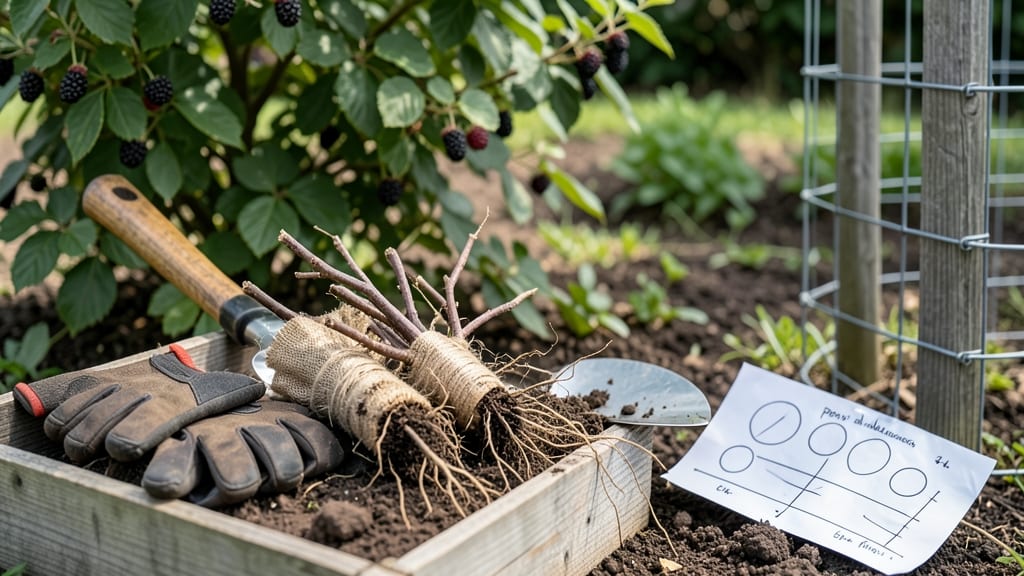
Planting blackberries in Ohio at the wrong time can mean the difference between a thriving 🫐 harvest and wasted effort—especially with Ohio’s fickle frost patterns. Whether you’re a first-time gardener or a seasoned grower, timing is everything to avoid stunted growth or frost damage.
Ohio’s Zone 6a-6b climate gives you two prime windows: early spring (March-April) or fall (September-October). But here’s the catch—soil temperature matters more than the calendar. Planting too early when the ground is still cold can shock your roots, while waiting too long risks late-season frosts.
I’ll break down the exact soil temps to watch for, how to prep your site for Ohio’s microclimates, and whether bare-root or potted plants give you the edge. Spoiler: mulching and strategic placement can add critical weeks to your growing season.
Ready to turn your Ohio garden into a blackberry powerhouse? Let’s dive into the foolproof timing that’ll have you picking juicy berries by mid-summer.
Ohio blackberry planting calendar: soil temperature & frost-free deadlines by region
Ohio’s USDA Zones 5b-6a mean blackberry planting success hinges on soil temperature and frost-free dates. Northern Ohio (e.g., Cleveland) has later last-frost dates (around May 10), while Southern Ohio (e.g., Cincinnati) can plant 2-3 weeks earlier.
Aim for soil temps of 50°F+—use a soil thermometer to avoid false starts.
Primocane varieties (like ‘Natchez’) thrive when planted in early spring (March-April), while floricane types (e.g., ‘Chester’) tolerate fall planting (September-October). Fall plantings give roots time to establish before winter, but avoid planting 6 weeks before first frost.
Urban gardens in high-heat microclimates (e.g., Columbus sidewalks) can push planting to late February, but rural areas with cold air pockets should wait until mid-April. Always check your local frost-free date—Ohio’s ranges from April 15 (south) to May 10 (north).
| Region | Last Frost Date | Ideal Planting Window | Soil Temp Threshold |
|---|---|---|---|
| Northern Ohio (Cleveland, Toledo) | May 10 | April 15–May 1 | 50°F+ |
| Central Ohio (Columbus, Dayton) | April 25 | March 30–April 15 | 50°F+ |
| Southern Ohio (Cincinnati, Lexington) | April 15 | March 15–April 1 | 48°F+ |
| Fall Planting (All Regions) | N/A | September 1–October 15 | 60°F+ |
*Adjust for urban heat islands (+1 week earlier) or cold valleys (-1 week later).
Bare-root blackberries establish 2-3 weeks faster than potted plants, but they’re frost-sensitive—plant them only after soil warms. For potted plants, wait until nighttime temps stay above 45°F. If early planting is unavoidable, use row covers until danger of frost passes.
Ohio’s short growing season (average 165 frost-free days) favors early-maturing varieties. Primocane types (e.g., ‘Ouachita’) produce fruit on new wood, extending harvests into late September, while floricane types (e.g., ‘Darrow’) rely on old wood and ripen by mid-August.
Test your soil’s pH (5.5–6.5) before planting—Ohio’s clay-heavy soils often need compost or peat moss for drainage. Amend beds with aged manure or a balanced 10-10-10 fertilizer at planting to jumpstart growth. Mulch with straw or wood chips to retain moisture and suppress weeds.
For container growing, use 5-gallon pots with fast-draining mix and plant in May after last frost. Containers warm up faster than soil, reducing frost risk but requiring daily watering in summer. Elevate pots on cinder blocks to improve drainage.
If you miss the spring window, fall planting is your next best bet—just ensure 6 weeks before first frost. Water deeply 1-2 times weekly until roots establish (look for new shoots by spring). Avoid planting in wet, cold soil, which causes root rot.
Pro tip: Use a soil thermometer to track temps—50°F for 7+ days signals it’s safe to plant. In high-frost zones, opt for primocane varieties like ‘Apache’, which bear fruit on current year’s growth and tolerate cooler temps better.
Microclimate hacks to avoid frost damage in Ohio blackberry gardens
Ohio’s microclimates can turn a blackberry garden from a frost-free oasis to a frozen disappointment overnight. In Northeast Ohio, where temperatures can plummet 10°F faster than Southern Ohio, smart site selection and protective strategies are your best defense. The key? Heat-retaining walls, strategic windbreaks, and mulching techniques that mimic nature’s insulation. A south-facing slope in your yard can add 5-10°F of warmth compared to a flat, exposed area. If your garden sits in a low-lying spot, cold air pools there—plant blackberries on higher ground or create a raised bed to escape frost pockets. Even urban gardeners can use heat-absorbing materials like black plastic mulch to raise soil temperatures by 3-5°F during critical spring planting.🌡️ 5 Microclimate Hacks for Ohio Blackberries
- Windbreaks: Plant evergreens (e.g., arborvitae) on the northwest side of your garden to block cold winds and reduce temperature swings by 2-4°F.
- Mulch Thickness: Apply 4-6 inches of straw or wood chips around plants to insulate roots and maintain consistent soil temps.
- Cold Frames: Use low tunnels or hoop houses with clear plastic to extend the growing season by 3-4 weeks in early spring/fall.
- Heat-Retaining Walls: Install a south-facing brick or stone wall (3-4 ft tall) to absorb sunlight and radiate warmth to plants after sunset.
- Drip Irrigation: Run drip lines at night during late spring to release 1-2 gallons/hour and raise soil temps by 1-2°F.
Protecting your blackberries from Ohio’s frost quirks boils down to observation and adaptation. Start with a site assessment: note where ice lingers longest in your yard and avoid those spots.
Combine physical barriers (windbreaks, walls) with active warming (mulch, drip irrigation), and you’ll create a microclimate sanctuary for your berries—no matter where you are in the state. 🌱