
Plants
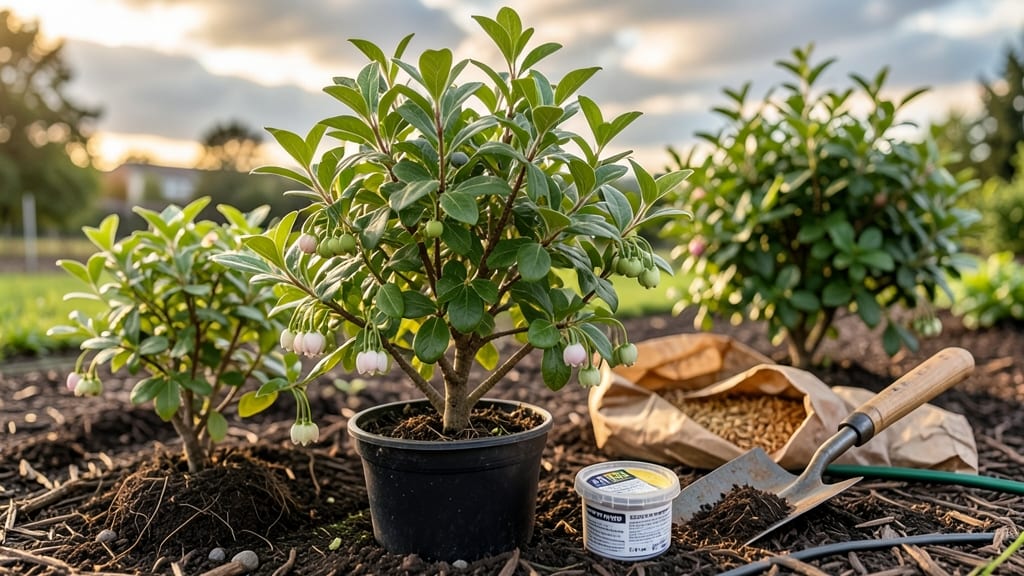
Planting blueberries in Southern California might seem impossible—until you know the exact timing and chill-hour hacks that work in zero-frost zones. With the right approach, you can grow thriving 🫐 bushes even where winter barely exists, and I’ll show you how.
Most gardeners assume blueberries need cold winters, but Southern California’s mild climate actually works to your advantage if you plant at the right time. The key is understanding how to meet those chill-hour requirements without freezing temperatures, and I’ve got the proven methods.
Whether you’re in coastal San Diego or inland Riverside, the best window for planting is November through March—when cooler temps and shorter days create the ideal conditions. I’ll break down exactly which months work best for your specific microclimate.
From soil prep to post-planting care, this guide covers everything you need to grow blueberries that produce year after year, even in our famously warm region. Let’s get started!
Best planting months for blueberries in Southern California’s zero-frost zones
Southern California’s frost-free winters (USDA zones 9b-11) create unique challenges for growing blueberries. Unlike traditional cold-climate varieties, these acid-loving shrubs need chill hours (300-900+ hours below 45°F) to set fruit. The good news? Planting at the right time maximizes your chances of success, even without freezing temps.
Coastal areas like San Diego and Santa Barbara have milder winters, while inland regions (e.g., Riverside or Palm Springs) experience slightly cooler nights. This creates a 30-60 day window difference for optimal planting. Let’s break down the best months for your specific microclimate.
📅 Coastal Regions (San Diego, Santa Barbara, Orange County): Plant between November 15 and January 15. Cooler coastal nights (50-60°F) provide natural chill hours, while avoiding summer’s heat stress. Early December is ideal—cool enough for root establishment but not yet prone to sudden warmth.
🌱 Southern California Blueberry Planting Timeline
| Region | Best Planting Window | Chill Hours Available | Key Consideration |
|---|---|---|---|
| Coastal (San Diego, Santa Barbara) | Nov 15 - Jan 15 | 300-500 hours | Mild nights; prioritize low-chill varieties |
| Inland (Riverside, Palm Springs) | Oct 30 - Dec 15 | 500-700 hours | Cooler nights; can attempt higher-chill varieties |
| Urban Containers (LA, San Francisco) | Dec 1 - Feb 15 | 200-400 hours | Use dwarf varieties + cold therapy |
| High Elevation (Big Bear, Mt. San Jacinto) | Sep 15 - Nov 1 | 700-900+ hours | Plant early to avoid early spring warmth |
⚠️ Pro Tip: Test soil pH (4.5-5.5) before planting—Southern California’s native soil is often alkaline. Amend with sulfur or peat moss 2-3 months before planting.
Inland areas like Riverside or Palm Springs can plant slightly earlier (late October to mid-December) thanks to cooler desert nights. However, avoid planting after January 15—rising temperatures can stress young roots before they establish.
For container gardening in urban areas (e.g., Los Angeles or San Francisco), extend your window to December 1 through February 15. Potted plants dry out faster, so prioritize dwarf varieties (e.g., ‘Top Hat’) and use self-watering pots.
If you miss the ideal window, April planting is a secondary option—but success depends on immediate drip irrigation and shade cloth (30-50%) to protect from summer heat. Young plants struggle to establish during 90°F+ days.
🌡️ Temperature Check: Monitor nighttime lows—blueberries need 50-60°F for root growth. Use a soil thermometer to confirm. If temps rise above 70°F during the day, provide afternoon shade with lightweight shade cloth.
Remember: Bare-root plants (available at nurseries in fall/winter) establish faster than container-grown ones. If buying potted blueberries, look for 1-2 year old plants with well-developed root systems—they’ve already started acclimating to transplant stress.
Once planted, mulch heavily (3-4 inches of pine bark or straw) to retain moisture and regulate soil temperature. In coastal areas, this prevents root rot from winter rains; in inland zones, it shields roots from diurnal temperature swings.
📅 Your Action Plan:
- Test soil pH now (amend if needed).
- Choose a low-chill variety (e.g., ‘Misty’ or ‘O’Neal’).
- Plant between November 15 and January 15 (coastal) or October 30 and December 15 (inland).
- Water deeply 2-3x/week for the first 3 months.
- Apply acidic fertilizer in early spring (March-April).
Best planting months for blueberries in Southern California’s zero-frost zones
Southern California’s zero-frost zones (USDA 9b-11) present a unique challenge for blueberry growers. Unlike northern regions, we don’t rely on winter frosts to break dormancy—so timing matters.
The ideal window spans November through March, when cooler temps and shorter days create the best conditions for root establishment before summer heat arrives.
Coastal areas like San Diego and Santa Barbara can plant slightly later (through April) thanks to milder winters, while inland zones like Riverside or Palm Springs should prioritize November-December to avoid early spring heat stress.
Think of it as a race against the sun—plant too late, and your bush will struggle to adapt before the heat peaks.
🌱 Key Insight: Blueberries need 2-3 months of cooler weather (50-60°F) to establish roots before summer’s intensity. Even in frost-free zones, this "cool season" is critical. For example, planting in February gives your bush a head start before the March-April heatwave hits inland areas.
| Region | Best Planting Months | Key Considerations |
|---|---|---|
| Coastal (San Diego, Santa Barbara) | November–April | Milder winters; can plant later. Watch for coastal fog reducing sunlight. |
| Inland (Riverside, Palm Springs) | November–February | Hotter summers; prioritize early planting. Use shade cloth post-planting. |
| Desert (Coachella Valley) | October–December | Extreme heat; plant in deep shade first year. Container growing recommended. |
| Urban (LA, San Francisco Bay) | December–March | Balanced climate; ideal for dwarf varieties in containers or raised beds. |
If you miss the ideal window, don’t panic—blueberries can tolerate April plantings in coastal areas, but expect slower growth. The trade-off? You’ll need to extend chill hours artificially (more on that in the next section).
For inland zones, April plantings risk heat shock, so consider container growing with cold therapy to simulate dormancy.
Avoid planting in summer or fall (May–October). The intense heat and low humidity stress young roots, while late fall plantings may not establish before the next growing season. Instead, time your planting with cooler, wetter periods—think of it as aligning with Southern California’s natural rainfall patterns.
Pro tip: Soak roots in water + rooting hormone for 1 hour before planting to reduce transplant shock. Then, mulch heavily (3–4 inches of pine bark or straw) to retain moisture and mimic the cool, damp conditions blueberries crave. This hack makes all the difference in our dry climate! 🌿