
Plants
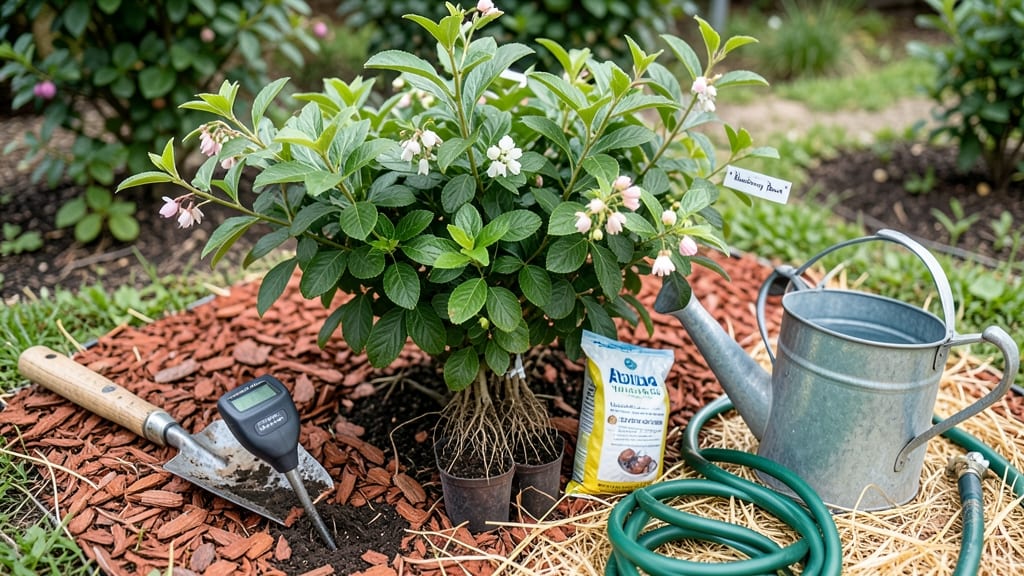
Planting your blueberries 🫐 at the wrong time in Zone 5 could mean the difference between a thriving bush and one that struggles—or even fails—to produce fruit. Unlike other plants, blueberries are picky about when they settle into their forever home, and getting the timing right is the key to success.
Most gardeners in Zone 5 assume spring is the only option, but fall planting actually gives your blueberries a head start. The ideal window is September to October, when soil temperatures drop but frost isn’t yet a threat.
This lets roots establish before winter, setting you up for bigger harvests next summer.
But here’s the catch: if you’re in the northern part of Zone 5, you might need to adjust. Early October could still be too warm, while late September might risk frost damage.
We’ll break down exactly how to read your local frost dates and soil temps to make the perfect call.
Ready to avoid common mistakes and give your blueberries the best possible start? Let’s dive into the exact steps—so you can enjoy homegrown 🫐 in just a few years.
Ideal soil temperature and frost dates for planting blueberries in Zone 5
Blueberries thrive when planted during their optimal soil temperature window of 40-50°F. In Zone 5, this typically aligns with early spring (April) or fall (September-October), but timing varies by region. The key is avoiding late spring frosts and ensuring roots establish before winter dormancy.
Your local last frost date is critical—most of Zone 5 experiences its final frost between mid-April and early May. However, northern Zone 5 (e.g., Chicago) may see frosts lingering into May, while southern Zone 5 (e.g., Pittsburgh) often warms up earlier.
To verify your exact frost dates, check the USDA Plant Hardiness Zone Map and local weather stations. A soil thermometer is your best tool—plant when soil temps consistently stay above 40°F for 5-7 days.
Early spring planting gives roots time to establish before summer heat, while fall planting (by October) allows roots to grow before winter.
⚠️ CRITICAL: Planting too early (when soil is still cold) delays root growth, while planting too late (after September 30) risks insufficient root development before frost. Use these soil temperature guidelines to time your planting perfectly:
| Condition | Zone 5 Ideal Range | Action |
|---|---|---|
| Soil Temperature | 40–50°F (4–10°C) | Plant when consistent for 5+ days |
| Last Frost Date | Mid-April to early May | Wait 2–3 weeks after last frost |
| First Frost Date | Mid-October | Fall planting must complete by Sept 30 |
| Daylength | 12+ hours daylight | Optimal for spring planting |
For northern Zone 5 (e.g., Minnesota, Wisconsin), aim for late April to early May to avoid late frosts. In southern Zone 5 (e.g., Ohio, Pennsylvania), you can plant as early as mid-April. Always monitor local microclimates—south-facing slopes warm up faster than shaded areas.
Pro tip: Use row covers or mulch to extend your planting window by 1-2 weeks in early spring or late fall. These tools protect young plants from unpredictable frost while maintaining ideal soil temps.
If you’re planting in containers, warm up the soil faster by placing pots in a sunny, sheltered spot 1-2 weeks before transplanting. Container-grown blueberries also benefit from bottom heat mats in early spring to accelerate root growth.
Remember: Blueberries are perennials, so proper root establishment in their first year determines long-term productivity. Prioritize soil temperature over calendar dates—your plants will thank you with bountiful harvests for years to come. 🌱
Best blueberry varieties for Zone 5 and their optimal planting times
Selecting the right blueberry variety for Zone 5 is just as important as timing. Some varieties thrive in colder climates, while others produce fruit earlier or later in the season. For Zone 5, focus on cold-hardy options like 'Bluecrop' or 'Patriot', which handle frost well and yield abundant fruit.
These varieties also have specific planting windows that maximize their potential.
Early-season varieties like 'Duke' ripen sooner but may need protection from late frosts. Late-season types like 'Jersey' produce fruit later, avoiding spring frost damage. Understanding these differences helps you align planting with fruit ripening timing and winter survival in Zone 5’s fluctuating climate.
Here’s how variety selection impacts your planting strategy:
| Variety | Cold Hardiness | Best Planting Time | Fruit Ripening | Notes |
|---|---|---|---|---|
| Bluecrop | Zone 3-7 | Early spring or fall | Mid to late summer | High yield, cold-resistant |
| Patriot | Zone 4-7 | Fall preferred | Early summer | Early ripening, disease-resistant |
| Duke | Zone 4-9 | Early spring | Early summer | Large berries, needs frost protection |
| Jersey | Zone 5-8 | Fall | Late summer | Late-season, great for baking |
For Zone 5 gardeners, planting in early spring (April) works well for varieties like 'Duke', which ripen early and avoid late frosts. However, fall planting (September-October) is ideal for 'Bluecrop' and 'Patriot', allowing roots to establish before winter while avoiding summer heat stress.
If you’re in a northern part of Zone 5 (e.g., Chicago), opt for 'Patriot' or 'Bluecrop'—their cold hardiness ensures survival. In southern Zone 5 (e.g., Pittsburgh), 'Jersey' or 'Duke' may thrive better due to slightly warmer winters. Always check your last frost date and adjust planting accordingly.
Pro tip: Pair early-ripening varieties with late-ripening ones to extend your harvest season. For example, plant 'Duke' (early) alongside 'Jersey' (late) to enjoy blueberries from June through August. This strategy also diversifies pollination, boosting fruit set.
Remember, soil pH (4.5-5.5) is critical for all varieties. Test your soil before planting and amend with acid-loving compost or sulfur if needed. With the right variety and timing, your Zone 5 blueberries will flourish year after year. 🫐