
Plants
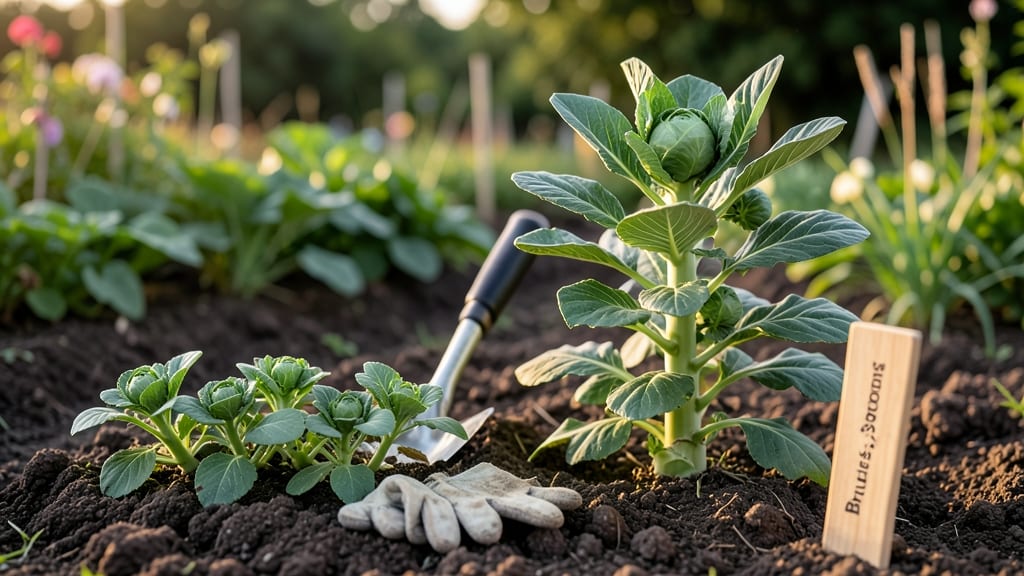
Timing your Brussel sprouts 🥬 planting in Kansas isn't just about following a calendar—it's about outsmarting the state's unpredictable frost swings and soil quirks. Plant too early, and you risk losing your crop to late frosts; too late, and your harvest shrinks before winter sets in.
I've grown Brussel sprouts in Kansas for years, and the key to success lies in knowing your microclimate—whether you're in the humid east near Topeka or the drier plains around Wichita.
The right window means the difference between a bumper crop and wasted effort, especially when you're counting on those October-December harvests.
What you'll discover here are the exact planting dates tailored to Kansas' USDA zones 5b-7a, plus proven tricks to extend your growing season. We're talking frost-proof strategies that actually work, so you can enjoy homegrown Brussel sprouts without the guesswork.
Ready to transform your garden into a frost-resistant Brussel sprouts powerhouse? Let's dive into the timing secrets that'll have your plants thriving when others fail.
Kansas microclimates: optimal planting dates by region for frost-free Brussel sprouts
Kansas' diverse climate—from the humid eastern regions to the drier western plains—means Brussels sprouts planting dates vary by 500 miles. Eastern Kansas (like Topeka) has warmer springs, while western areas (like Wichita) face earlier frosts.
Timing is critical: plant too early, and frost kills seedlings; too late, and sprouts bolt before harvest.
Brussels sprouts thrive in USDA zones 5b-7a, but Kansas' microclimates create distinct planting windows. Soil temperature must reach 50°F+ for germination—waiting for this threshold avoids slow starts. Use a soil thermometer to confirm readiness, especially in western Kansas, where nights stay cooler longer.
Here’s how to align your planting with Kansas’ regional frost patterns:
| Region | USDA Zone | Spring Planting Window | Fall Planting Window | Last Frost Date | Key Tip |
|---|---|---|---|---|---|
| Eastern Kansas (Topeka, Kansas City) | 6a-7a | Mid-March to early April | Late July to early August | April 15 | Humidity helps germination; mulch to retain moisture. |
| Central Kansas (Salina, Manhattan) | 5b-6a | Late March to mid-April | Late July to mid-August | April 10 | Use row covers for early starts; watch for hail storms. |
| Western Kansas (Wichita, Dodge City) | 5b-6b | Early April to early May | Early August to mid-August | April 5 | Drier soil; water deeply to prevent bolting. |
In eastern Kansas, where Topeka averages last frost dates around April 15, start seeds indoors by March 1 for transplants. For direct sowing, wait until mid-March when soil warms to 50°F. Kansas City gardeners can push dates slightly later due to urban heat islands.
Western Kansas—like Wichita—demands patience. The average last frost hits April 5, but unpredictable cold snaps occur. Plant Brussels sprouts no earlier than early April or use row covers to shield seedlings. Succession planting every 2 weeks ensures a continuous harvest through December.
For fall planting, aim to sow 90-100 days before your first frost. In eastern Kansas, this means late July to early August, while western regions can wait until mid-August. Harvest timing is critical: sprouts mature in 90-100 days, so plan for October-December harvests.
Pro tip: Use Kansas State University’s frost calculator (available online) to input your zip code for hyper-localized dates. This tool accounts for microclimate variations like elevation or proximity to water bodies, which can shift frost dates by 1-2 weeks.
Remember, Brussels sprouts are cold-hardy but not frost-tolerant at all growth stages. Young plants (4-6 weeks old) are most vulnerable. Hardening off seedlings for 10-14 days before transplanting builds resilience against Kansas’ temperature swings.
🌱
How to extend the growing season: 4 proven techniques for Kansas gardeners
Kansas’ unpredictable late-spring frosts and early fall freezes can ruin your Brussel sprout harvest if you don’t plan ahead. But with the right strategies, you can extend the growing season by 4-6 weeks—giving your plants the time they need to mature. Here’s how I protect my crops year after year.
The key is combining multiple techniques to create a buffer against frost. For example, I use row covers for early spring planting and succession planting to stagger harvests.
This way, even if one batch gets nipped by frost, another is still thriving. Let’s break down the best methods for your Kansas garden.
⚠️ CRITICAL: Always check your local frost dates (e.g., Wichita’s last frost is typically April 15, while Kansas City’s is April 10). Adjust these techniques based on your microclimate to avoid costly mistakes.
- 1. Use Frost-Cloth Row Covers Lightweight frost cloth (30g weight) raises soil temps by 5-8°F. Install when nights dip below 35°F and remove during the day for airflow. Ideal for spring and fall planting.
- 2. Build a Cold Frame A DIY cold frame (wooden box + clear lid) can add 10-15°F of warmth. Perfect for late-fall harvests—plant 8-10 weeks before your first frost (e.g., September 1 in Topeka).
- 3. Practice Succession Planting Sow new seeds every 2 weeks from March to August. This ensures a continuous harvest even if early plantings fail. Example: Plant March 15, April 1, and May 15 for staggered maturity.
- 4. Plant Companion Crops Interplant Brussel sprouts with onions or garlic to deter pests like cabbage moths. These companions also improve soil health, reducing stress on your main crop.
For fall planting, I recommend starting seeds indoors in late June and transplanting outdoors by July 15. This gives your plants enough time to mature before the first frost (usually October 15 in western Kansas). Use a soil thermometer to ensure temps stay above 50°F for germination.
Pro tip: Pair these techniques with mulching (straw or leaves) to insulate roots. In my USDA Zone 6b garden, this combo has let me harvest Brussel sprouts until December—even in chilly Kansas winters! 🥬