
Companion Plants
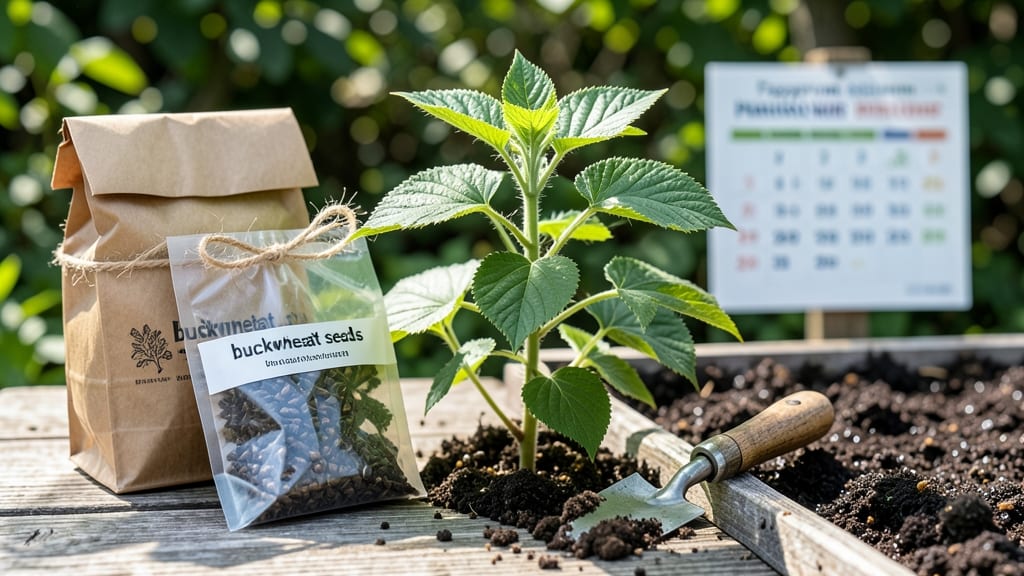
If you're wondering when to plant buckwheat in PA, timing is everything—get it right, and you’ll enjoy a fast-growing, nutrient-rich harvest in just 60-70 days. This hardy annual isn’t just a cover crop; it’s a versatile powerhouse for gardens, offering grain, greens, and even pollinator-friendly blooms.
Pennsylvania’s 5b-7a zones mean your planting window shifts from the cooler Pocono Mountains to the warmer valleys near Pittsburgh. Whether you’re growing it for soil health or a quick harvest, knowing the exact dates—mid-May to early July—can make all the difference in avoiding frost damage or stunted growth.
I’ll break down the best planting times for your specific microclimate, plus pro tips to adjust for PA’s unpredictable weather. From soil temperature checks to companion planting, you’ll learn how to set buckwheat up for fast, successful growth—no guesswork required.
Ready to transform your garden? Let’s dive into the exact steps to plant buckwheat at the perfect moment for your corner of Pennsylvania.
Optimal buckwheat planting dates in Pennsylvania by region (2024 guide)
Pennsylvania’s diverse microclimates mean buckwheat planting dates vary by 1-2 weeks from the Poconos to Pittsburgh. The key is waiting until soil temps hit 50–60°F and the last frost has passed, typically late April to early May across most of the state.
Here’s your region-specific breakdown for fastest germination and highest yields.
For Southeast PA (USDA Zones 6b-7a), like Philadelphia and Reading, aim to plant mid-April to early May. This area warms up fastest, giving you a longer growing season for buckwheat’s 60–70 day harvest window.
In Central PA (Harrisburg, Lancaster), wait until late April to mid-May—cooler nights delay germination if planted too early.
| Region | USDA Zone | Planting Window | Soil Temp Trigger | Last Frost Date |
|---|---|---|---|---|
| Southeast PA | 6b-7a | Mid-April to early May | 50–60°F | April 15–May 1 |
| Central PA | 5b-6a | Late April to mid-May | 50–60°F | April 20–May 5 |
| Northwest PA | 5a-5b | Late May to early June | 55–65°F | May 10–May 20 |
| Poconos (High Altitude) | 4b-5a | Early June | 60–70°F | May 25–June 5 |
In Northwest PA (Erie, State College), buckwheat thrives when planted late May to early June. Cooler springs here mean delayed soil warming, so don’t rush—wait for consistent 55–65°F soil temps.
The Poconos and high-altitude zones (like Jim Thorpe) are the latest, with early June being the safest bet for grain production.
Pro tip: Use a soil thermometer to confirm temps—buckwheat seeds won’t sprout below 50°F. If your area has unpredictable frost dates, opt for succession planting every 2 weeks until mid-July to extend your harvest.
For cover crop buckwheat (used to suppress weeds and improve soil), plant as early as late April in warm zones or early June in cooler areas. This fast-growing variety can even be double-cropped after early veggies like peas or lettuce.
Missed the window? No worries—buckwheat is heat-tolerant and can handle summer planting up to early July, though yields may be smaller. Just ensure 60+ days remain before your first frost (typically mid-October in PA).
Always check your local agricultural extension office for hyper-local frost data, as PA’s microclimates can shift dramatically over just 20 miles. For example, Pittsburgh’s suburbs may be 1–2 weeks ahead of rural Allegheny County.
Remember: Buckwheat’s fast growth (50–70 days) makes it perfect for PA’s short season. Plant early for grain harvests or late for fall cover crops—just don’t wait until August, or you’ll miss the boat entirely! 🌾
How to adjust buckwheat planting for Pennsylvania’s unpredictable weather patterns
Pennsylvania’s weather can be as unpredictable as a mountain stream—one day sunny, the next a surprise frost. If you’ve ever planted buckwheat 🌾 only to face a late spring or early frost, you know how quickly plans can go awry.
The key is flexibility: knowing how to adjust your planting timeline and soil prep for PA’s variable climate.
Buckwheat is a fast-growing annual that thrives in warm soil but can’t handle frost. In most of PA, the last frost date hovers around mid-April, but mountain regions like the Poconos can see frost as late as May 15.
If you plant too early, your buckwheat will bolt or die back. Too late, and you’ll miss the 60–70 day harvest window before fall frosts.
Here’s how to hedge your bets: Use black plastic mulch to warm soil faster, or opt for succession planting every 2–3 weeks from late May to early July. This ensures a steady harvest even if the first planting gets nipped by unexpected cold.
For cover crop buckwheat, plant as early as mid-May—it’s hardier and can tolerate cooler temps better than grain varieties.
⚠️ Watch for PA’s "False Springs"
Pennsylvania’s false springs (warm spells followed by frost) are infamous. If your buckwheat sprouts in late April but temperatures drop below 32°F, cover seedlings with row fabric or wait until soil stays above 50°F for 5+ days.
Mountain regions should delay planting until after Memorial Day to avoid frost risk.
For grain buckwheat, aim for a July 1 planting date in southern PA (like Philadelphia) to ensure harvest before the first frost in mid-October. In northwest PA (e.g., Erie), push planting to early July—cooler summers there mean slower growth.
Always check your local USDA Plant Hardiness Zone (PA ranges from 5b to 7a) for finer adjustments.
Heatwaves can also stress buckwheat, especially in southern PA’s valleys. If temperatures exceed 90°F, provide light shade cloth during peak afternoon heat to prevent bolting.
Mulch with straw to retain moisture and cool roots. In drought-prone areas, prioritize irrigation over fertilization—buckwheat is drought-tolerant but won’t thrive if soil dries out completely.
Pro tip: Keep a planting journal for 2–3 years to track PA’s microclimate quirks. Note when your local frost dates shift, and adjust accordingly. With these tactics, you’ll turn PA’s unpredictable weather into a buckwheat-growing advantage—not a liability.