
Plants
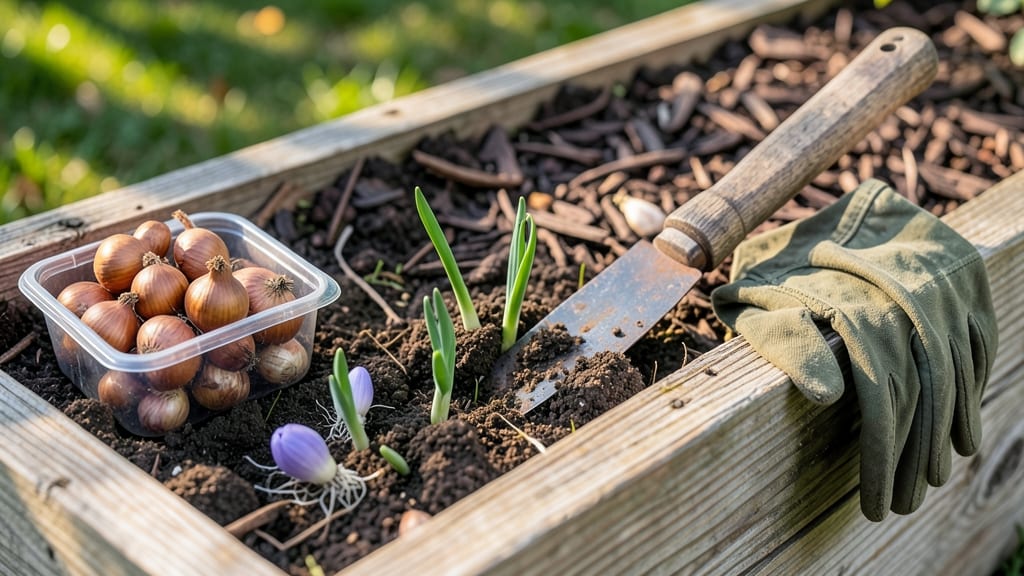
Planting Spring Bulbs (e.g., Tulip, Daffodil, Crocus, Hyacinth) 🌷 in Houston isn’t just about throwing them in the ground—it’s about timing them perfectly to beat the heat and humidity. With Zone 9a’s mild winters, you’ve got a short window to get it right, or your bulbs might never bloom.
The key? Planting in September through November for spring blooms, but avoiding the late-winter rush when the soil stays too warm.
Most gardeners assume Houston’s frost-free climate means bulbs can be planted anytime, but that’s a mistake. Too early, and your 🌷 Spring Bulbs may rot in the heat; too late, and they won’t establish roots before summer.
I’ll break down the exact months to plant, which bulbs handle Houston’s heat best, and how to prep your soil for zero-frost success—so you can enjoy vibrant blooms from March to May.
Why does timing matter so much in Houston? Unlike colder zones, your bulbs face a different challenge: summer heat and heavy clay soil that can suffocate roots.
The right schedule ensures your bulbs develop strong roots before the heat sets in, while also avoiding the January-February window where the ground stays too warm for proper dormancy. Let’s dive into the Zone 9a calendar that’ll guarantee your bulbs thrive.
You’ll also discover the top 5 frost-resistant bulbs that actually flourish here—no more guessing which varieties will survive Houston’s unique climate. Plus, I’ll share Houston-specific tips, like how to adjust for our humidity and drainage challenges, so your bulbs don’t become a lost investment.
Ready to plant with confidence? Let’s get started.
Houston’s ideal bulb planting calendar by month (Zone 8b/9a guide)
Houston’s mild winters and hot summers create a unique challenge for bulb planting. Unlike colder climates, you don’t need to worry about frost damage, but timing still matters to ensure root establishment and spring blooms.
Most bulbs thrive when planted in fall, but Houston’s Zone 8b/9a allows flexibility for early winter planting too.
For spring-flowering bulbs like tulips and daffodils, aim to plant 6-8 weeks before the average first frost—which in Houston is typically mid-December. This gives roots time to anchor before summer heat arrives. Summer-blooming bulbs, like rain lilies, have a different window entirely.
Here’s your month-by-month planting guide tailored to Houston’s climate, including soil temperature tips and frost-free deadlines:
| Month | Best Bulbs to Plant | Soil Temp Requirement | Planting Depth | Notes for Houston |
|---|---|---|---|---|
| August | Rain Lilies, Canas | 60-70°F | 2-3x bulb height | Plant after summer heat subsides; avoid waterlogging. |
| September | Tulips, Daffodils, Hyacinths | 50-60°F | 3-4x bulb height | Ideal window for spring blooms; Houston’s soil cools quickly. |
| October | Crocuses, Alliums, Snowdrops | 45-55°F | 2-3x bulb height | Perfect for late bloomers; mulch after planting. |
| November | Miniature Dahlias, Caladiums | 40-50°F | 4-6x bulb height | Last chance for spring blooms; protect from late rains. |
| January | Spring-Blooming Bulbs (late varieties) | 50-60°F | 3-4x bulb height | Risky in Houston; only for heat-tolerant varieties. |
| February | Summer Bulbs (e.g., Gladiolus) | 60-70°F | 4-6x bulb height | Plant after last frost risk; Houston’s heat helps germination. |
Houston’s heavy clay soil can be a challenge, so always amend with compost or sand to improve drainage. For container planting, use a well-draining mix with perlite or vermiculite.
Bulbs planted in August or September will establish roots before Houston’s summer heat peaks, ensuring stronger plants and vibrant blooms.
If you miss the fall window, don’t despair—some heat-tolerant bulbs like rain lilies or caladiums can be planted in early spring. Just be prepared for slower establishment and potential less vigorous blooms in the first year.
Mulching with 2-3 inches of organic matter helps retain moisture and regulate soil temperature.
Pro tip: Mark your planting calendar with Houston’s average last frost date (January 15). This helps you time fall plantings perfectly for spring blooms. For summer bulbs, wait until February
Houston’s ideal bulb planting calendar by month (Zone 8b/9a guide)
Houston’s mild winters and humid summers create a unique planting window for bulbs. Unlike colder climates, you don’t need to worry about frost damage—but timing still matters.
Most bulbs need 6-8 weeks to establish roots before spring growth begins, so aim for September through November for classic spring bloomers like tulips and daffodils.
For heat-loving bulbs like rain lilies or cannas, late summer (August) is ideal. And if you missed fall, January-February offers a second chance for early spring color. The key is soil temperature: bulbs prefer 60-65°F soil for root growth, which Houston’s fall air delivers perfectly.
| Month | Best Bulbs to Plant | Soil Temp Goal (°F) | Key Tip |
|---|---|---|---|
| August | Rain Lilies, Canna, Dahlia | 65-75°F | Plant after summer heat subsides |
| September | Tulips, Daffodils, Hyacinths | 60-65°F | Ideal for spring blooms |
| October | Crocus, Snowdrops, Allium | 55-60°F | Best for early spring color |
| November | Muscari, Iris, Fritillaria | 50-55°F | Last chance for fall planting |
| January-February | Tulips, Hyacinths (late varieties) | 55-60°F | For delayed spring blooms |
Houston’s heavy clay soil can be tricky—amend with compost or sand to improve drainage before planting. Most bulbs need 6-8 inches of loose soil and twice their height in depth. For example, a 6-inch daffodil bulb should go 12 inches deep.
Skip summer planting unless you’re growing tropical bulbs like amaryllis, which thrive in Houston’s heat. Summer’s intense sun and humidity can bake bulbs before they root. Always water deeply after planting to encourage root growth, then reduce watering once foliage appears.
Pro tip: Use mulch in winter to protect bulbs from temperature swings, even in Houston’s mild climate. A 2-3 inch layer of pine straw keeps roots cool and retains moisture during dry spells.
Remember, Houston’s long growing season means you can experiment! Try fall-planted bulbs for spring color or winter-planted varieties for early blooms. Just watch those soil temps—they’re your best guide.