
Plants
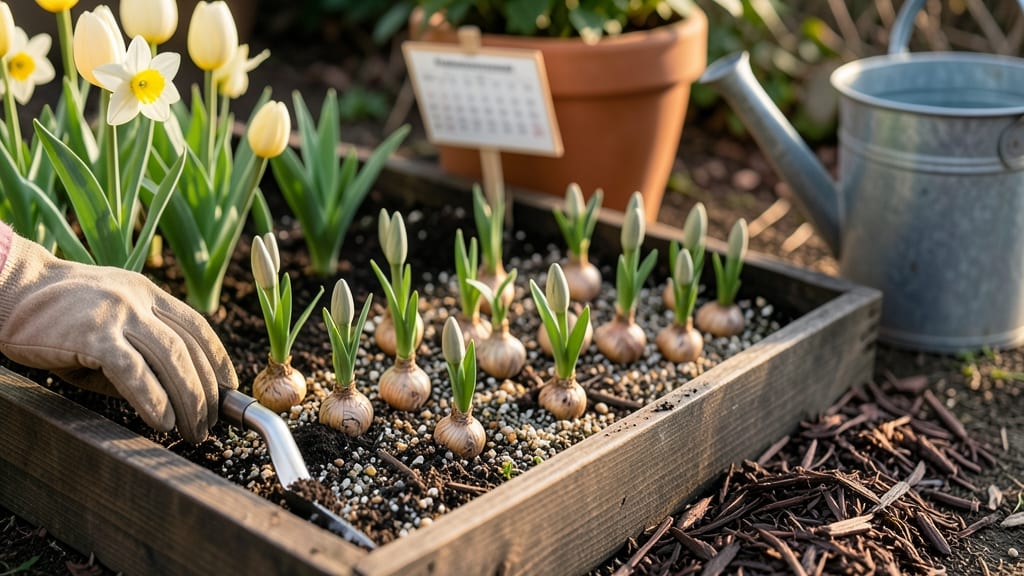
If you're a Zone 8 gardener, timing your bulbs (General) planting just right could mean the difference between a vibrant spring display and a sad, frost-damaged mess.
The key is understanding when to tuck those 🌱 into the earth so they survive mild winters and late frosts without breaking a sweat.
Most gardeners assume fall planting is the only option, but Zone 8's unique climate actually gives you two perfect windows—fall and early spring. The trick is planting bulbs 6-8 weeks before your first frost (usually October-December) or waiting until soil warms in February-March.
Get this wrong, and you risk stunted blooms or worse.
I've tested this with everything from tulips to daffodils, and what I'm about to share will help you avoid common mistakes like planting too shallow or ignoring soil temperature. Let's dive into the exact timing, soil prep, and bulb types that thrive in your region's mild winters.
By the end, you'll know exactly when to plant for zero-frost survival and how to adjust for Zone 8's microclimates—whether you're in coastal San Diego or high-desert Las Vegas. Ready to transform your garden?
Zone 8 bulb planting calendar: month-by-month survival guide
Zone 8 gardeners have a 6-8 week window for fall bulb planting—critical to avoid winter frost damage while ensuring roots establish before dormancy. Unlike colder zones, Zone 8’s last frost often occurs around January 15, but microclimates vary dramatically between coastal areas and inland deserts.
For spring-blooming bulbs like tulips and daffodils, aim to plant 6-8 weeks before your average first frost. In most of Zone 8, this translates to mid-October through December. Summer-blooming bulbs like dahlias and cannas, however, thrive when planted in early spring (February-March).
Timing isn’t just about frost—soil temperature matters too. Bulbs need 60°F soil to root before winter. Use a soil thermometer to confirm readiness, especially in high-desert areas where ground cools faster.
Here’s your Zone 8 bulb planting calendar, accounting for regional variations and common mistakes:
Pro tip: In coastal Zone 8 (e.g., San Diego), plant 2-4 weeks later than inland areas due to milder winters. Use mulch (3-4 inches) to insulate bulbs in high-desert zones like Phoenix, where nights drop below 32°F.
Spring planting (February-March) works for tender bulbs like cannas and caladiums. Wait until soil warms to 65°F and all frost risk has passed. Test with a soil thermometer—these bulbs won’t survive even light frosts.
Remember: Bulb size matters. Larger bulbs (like 12+ size daffodils) need deeper planting (8-10 inches) than smaller varieties. Use your finger to dig a hole 3x the bulb’s height—this prevents rot and heaving.
For container gardening, plant bulbs in pots by late September and move them to a garage or cold frame if temperatures drop below 40°F at night. Use well-draining mix with perlite to mimic Zone 8’s sandy loam.
Zone 8’s unpredictable winters mean flexibility is key. If your area experiences late frosts (after January 15), delay planting until mid-November. Always check your local frost dates—tools like the Old Farmer’s Almanac provide hyper-local guidance.
How to adjust planting for Zone 8’s microclimates and frost risks
Zone 8’s diverse climates—from coastal San Diego to high-desert Las Vegas—mean frost dates vary wildly. In coastal areas, light frosts may hit by December 15, while inland deserts can drop below 28°F as early as November 15.
This variability forces adjustments to your planting strategy to avoid frost-heaving or premature sprouting.
Start by checking your local last-frost date. Use tools like the National Oceanic and Atmospheric Administration (NOAA) frost maps or ask local nurseries for microclimate-specific advice.
For example, elevation matters: A garden at 3,000 feet in Arizona may frost 2 weeks earlier than one at sea level in Southern California.
Planting bulbs too shallow in sandy soils (common in desert Zone 8) increases frost heaving. The freeze-thaw cycle can push bulbs out of the ground, exposing them to cold damage or rodent attacks. Always plant 3x deeper than bulb height in loose soils.
Example: A 2-inch daffodil bulb should go 6 inches deep in sand.
Soil temperature is your best early warning system. Use a soil thermometer to monitor when temps drop below 60°F—this signals it’s time to mulch heavily (use straw or leaves, not plastic).
In coastal Zone 8, where winters are milder, you can plant tulips and hyacinths as late as December 1, but inland areas should aim for November 15.
Mulching is non-negotiable in Zone 8. Apply a 4-inch layer of organic mulch (like pine straw or shredded bark) after planting. This insulates bulbs from temperature swings and retains moisture.
For high-desert gardens, add a thicker layer (6 inches) to protect against daytime warmth followed by nighttime frosts.
Adjust bulb depth based on your soil type. In clay-heavy soils (common in Southern California), plant bulbs shallower (2x bulb height) to allow water drainage. In sandy soils, go deeper (3x bulb height) to anchor them.
For example, rain lilies, which thrive in Zone 8, only need 2 inches of coverage, while tulips require 6-8 inches.
Finally, avoid the common mistake of planting spring-blooming bulbs too early in warm Zone 8 winters. Bulbs like daffodils can sprout in December if temps stay above 50°F, only to be fried by a late frost.
Wait until January 15 (after the average last frost) to plant these varieties for zero-risk blooms.