
Plants
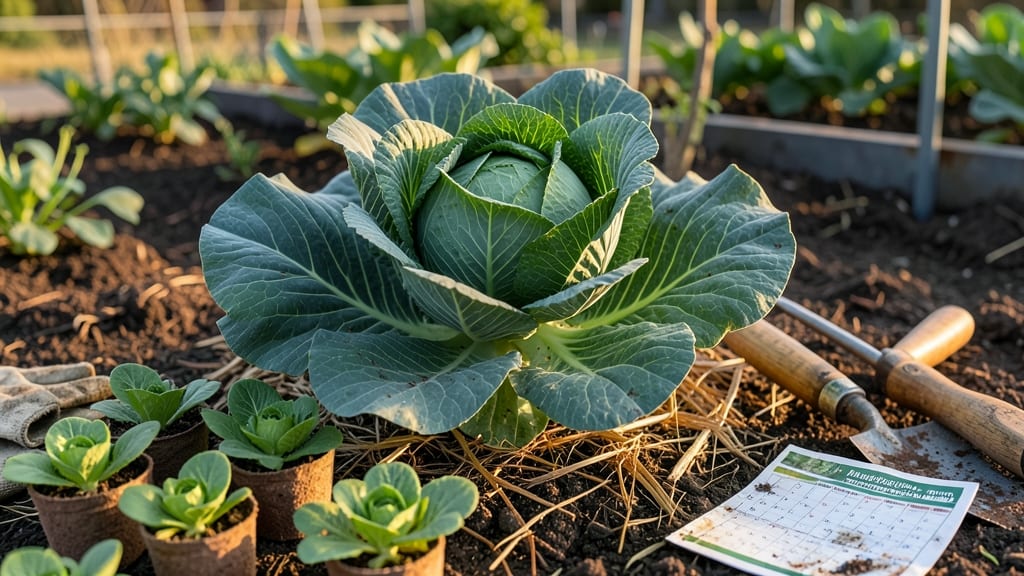
Timing your cabbage planting in Illinois right means the difference between crisp, flavorful heads and bitter, bolted disappointment. With USDA zones 5-6 and unpredictable spring frosts, getting the schedule wrong can ruin your harvest before it even starts.
Most gardeners in Illinois plant 🥬 cabbage twice a year—once in early spring and again in late summer—but the exact dates depend on where you live.
In northern Illinois, you’ll want to start seeds indoors by mid-March and transplant after the last frost, while southern growers can push things back by a few weeks.
Here’s the game-changer: plant your spring cabbage 4-6 weeks before your last frost date (usually mid-April in most of the state) and your fall crop 10-12 weeks before the first frost (around late July for a fall harvest).
Stick with these windows, and you’ll avoid the two biggest mistakes—planting too early and risking frost damage, or waiting too long and ending up with heat-stressed, pithy heads. Let’s break down the exact dates and varieties that work best in your corner of Illinois.
Illinois frost zones & cabbage planting windows by month (2024 guide)
Illinois spans USDA Hardiness Zones 5-8, creating distinct planting windows for cabbage. Northern Illinois (Zones 5-6) has shorter growing seasons, while Southern Illinois (Zones 7-8) enjoys longer summers.
The key is planting 4-6 weeks before the last frost for spring crops or 10-12 weeks before the first frost for fall harvests.
For Northern Illinois (e.g., Chicago, Rockford), aim for March 15–April 15 for spring planting and July 1–August 15 for fall. Southern Illinois (e.g., Springfield, Carbondale) can extend spring planting to April 15–May 1 and fall planting to August 15–September 15.
Soil temperature is critical—cabbage seeds need 40°F+ soil to germinate. Use a soil thermometer to confirm readiness. In colder zones, start seeds indoors 6-8 weeks before transplanting to avoid delays.
Late frosts are a risk in Illinois, especially in Zone 5. Protect young plants with frost cloth if temperatures dip below 28°F. Fall-planted cabbage should mature before first frost (mid-October in North, early November in South).
| Zone | Spring Planting | Fall Planting | Last Frost | First Frost |
|---|---|---|---|---|
| 5 (North) | March 15–April 15 | July 1–August 15 | Mid-April | Mid-October |
| 6 (Central) | March 30–April 30 | July 15–September 1 | Late April | Late October |
| 7 (South) | April 15–May 1 | August 15–September 15 | Early May | Early November |
For direct sowing, plant seeds ¼ inch deep and 1 inch apart. Thin seedlings to 12–18 inches apart once they reach 2 inches tall. Transplants should be 4–6 weeks old and hardened off before moving outdoors.
Succession planting works well in Illinois. Sow new seeds every 2 weeks from spring through early summer to ensure a continuous harvest. This is especially useful for bok choy, which matures faster (30–40 days) than heading cabbage.
Monitor your cabbage for bolting—a sign of heat stress. If temperatures exceed 80°F for prolonged periods, provide afternoon shade or use lightweight row covers to protect plants.
In Zone 8 (Southern Illinois), you can even try winter cabbage! Plant cold-hardy varieties like ‘January King’ in late summer (August) for harvests in winter or early spring.
Use these planting windows as a guide, but always check your local frost dates and adjust for microclimates. A 5-mile elevation change can shift frost dates by 1–2 weeks, so observe your garden’s unique patterns.
How to adjust cabbage planting for Illinois’ unpredictable weather (pro tips)
Illinois’ unpredictable weather can turn a great cabbage crop into a gamble—late frosts in spring or sudden heat waves in summer can ruin your harvest. The key is flexibility and protective strategies to extend your planting windows safely.
I’ve learned that even a 1-2 week delay in frost dates can shift your entire planting schedule, so planning ahead is critical.
For spring plantings, cold frames or row covers are my go-to tools. They add 2-4°F protection, letting me plant cabbage 2-3 weeks earlier than the last frost date. In my Zone 5 garden, this means starting seeds in early March under covers instead of waiting for April.
Just remove the covers when soil warms to 45°F to prevent overheating.
Here’s my pro tip for fall plantings: Succession planting every 2 weeks from July to August ensures a staggered harvest before frost. I also use black plastic mulch to warm soil faster, which helps young transplants establish before cooler weather arrives.
This trick has let me harvest cabbage well into November in past years!
Watch for bolting signs—tiny flowers or loose leaves—if your cabbage is stressed by heat or drought. If this happens, harvest immediately or pull the plant to avoid bitter flavors. I’ve found that shade cloth (30-50%) during summer’s peak heat prevents bolting while still allowing enough light for growth.
Another game-changer? Cold-hardy varieties like ‘January King’ or ‘Golden Acre’ tolerate 15°F temperatures and extend your harvest window. These varieties are perfect for late fall plantings or even overwintering in Zone 6+ with mulch protection. I’ve grown ‘January King’ successfully through December with just a thick layer of straw mulch.
For soil warming, I use clear plastic mulch in early spring to raise soil temps by 5-10°F. This jumpstarts growth and helps cabbage seedlings avoid damping-off disease in cool, wet soil. Just remove the plastic once soil reaches 50°F to prevent overheating.
Finally, monitor local frost forecasts from the Midwestern Regional Climate Center. Their weekly updates help me adjust planting dates when unexpected cold snaps are predicted. With these strategies, you can beat Illinois’ weather and enjoy cabbage year-round!
⚠️ Watch for These Red Flags
- Yellowing leaves → Overwatering or nutrient deficiency
- Loose heads → Heat stress or bolting
- Stunted growth → Soil too cold (<45°F) or poor drainage
Act fast! These signs mean your cabbage is struggling—adjust water, shade, or harvest immediately to save your crop.