
Plants
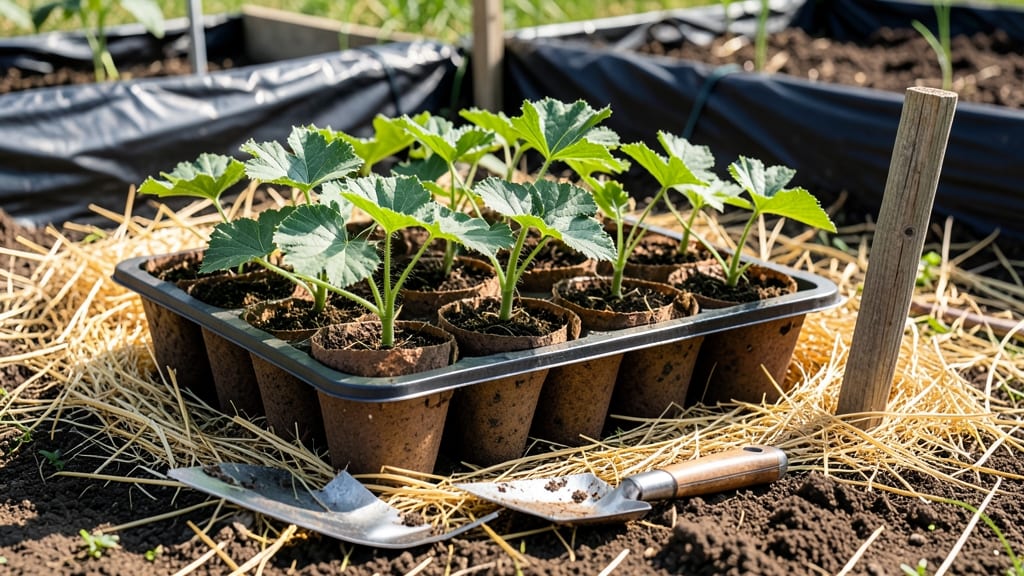
Planting cantaloupe in Illinois at the wrong time can turn your summer dreams into a frost-kissed disappointment—because those sweet, fragrant 🍈 melons need warmth to thrive. The key to success?
Timing your seeds perfectly after the last frost, when soil temperatures hit at least 70°F, and giving them enough time to mature before fall’s chill sets in.
Most Illinois gardeners in zones 5b-6b should wait until mid-April to mid-June to plant, but don’t rush—cantaloupes hate cold soil. If you’re starting seeds indoors, begin 4-6 weeks before your last frost date, but be ready to transplant them outdoors only when nighttime temps stay above 55°F.
This guide breaks down the exact frost-free timeline for your zone, soil temperature tricks to jumpstart growth, and how to extend your harvest window if summer feels too short.
Whether you’re a first-time gardener or a seasoned pro, these tips will help you avoid the most common mistakes and grow cantaloupes that taste like sunshine.
Let’s get your cantaloupe vines off to the right start—because the best time to plant is now, but the best time to harvest is July to September. Ready to turn your garden into a melon patch?
Illinois frost-free dates & best planting windows by hardiness Zone
Cantaloupes thrive in warm weather, so planting them at the right time in Illinois is crucial. The last average frost date varies across the state, with northern zones (5a-5b) facing earlier risks than southern zones (6a-6b).
For example, Chicago’s last frost typically falls around May 15, while St. Louis sees it by April 20. Always check your local USDA hardiness zone and historical frost data to avoid frost damage.
Cantaloupes need consistent warmth and 60°F+ soil temperatures to germinate. Planting too early can lead to stunted growth or death. In Zone 5b, aim for mid-May planting, while Zone 6a/6b gardeners can start as early as late April.
Use row covers or black plastic mulch to warm the soil faster if needed.
Timing isn’t just about frost—it’s also about heat tolerance. Cantaloupes need 75-90°F days to ripen properly. Planting in late May or early June ensures they’ll mature before Illinois’ first frost in October.
This gives you a 120-140 day growing season, perfect for cantaloupe varieties like ‘Athena’ or ‘Hale’s Best’.
For northern Illinois (Zone 5), consider starting seeds indoors in late March and transplanting after frost. In central/southern Illinois (Zones 6a-6b), you can direct-sow seeds as early as mid-April if soil temps are ideal.
Always monitor weekly frost forecasts—a late freeze can wipe out young plants in days.
| Zone | Avg. Last Frost | Ideal Planting Window | Soil Temp Requirement | Harvest Window |
|---|---|---|---|---|
| 5a (North IL) | May 20 | Late May - Early June | 60°F+ (use row covers) | Late July - Mid-Sept |
| 5b (Central IL) | May 15 | Mid-May - Late May | 65°F+ (direct sow) | Early July - Early Sept |
| 6a (South IL) | April 25 | Late April - Early June | 70°F+ (ideal) | June - Late Sept |
| 6b (SW IL) | April 20 | Mid-April - Mid-June | 60°F+ (fast germination) | June - Mid-October |
If you’re in Zone 5 and want to extend your season, try succession planting every 2 weeks after your initial date. This ensures a steady harvest through August. For Zone 6, you can even plant a second crop in July for a fall harvest before frost hits.
Pro tip: Use a soil thermometer to confirm warmth before planting. Cantaloupe seeds won’t germinate below 60°F, even if frost risk is low. If your soil is cold, cover it with black plastic for 1-2 weeks to warm it up naturally.
This trick works especially well in northern Illinois where spring soil stays cool longer.
For urban gardeners in cities like Chicago or Springfield, microclimates can shift planting times. Areas near concrete or pavement warm up faster—ideal for early cantaloupe starts.
Meanwhile, wooded or shaded spots may need row covers to protect young plants. Always scout your garden’s sun exposure before committing to a planting date.
Remember: Cantaloupes are heat-loving annuals, so don’t rush to plant. Waiting an extra week for warmer soil can mean the difference between sprouts and failure. Check your local Almanac frost predictions and adjust based on your garden’s unique conditions.
🌱
Soil temperature & cantaloupe seed starting guide for Illinois gardens
Cantaloupes are warm-season crops that refuse to germinate in cold soil—you’ll waste seeds if you plant too early. The magic number for cantaloupe seeds is 60°F+ soil temperature, but they thrive best at 70°F or warmer.
In Illinois, this typically means waiting until mid-May for most regions, but northern zones (like Zone 5b) may need to wait until late May or early June.
If your soil isn’t warm enough, don’t panic—you have options! Black plastic mulch or row covers can raise soil temps by 5-10°F faster than bare earth. Lay them down 2-3 weeks before planting to give the ground a head start.
For extra insurance, start seeds indoors 3-4 weeks before your last frost date, then transplant seedlings when soil warms up.
Here’s my foolproof soil temperature