
Plants
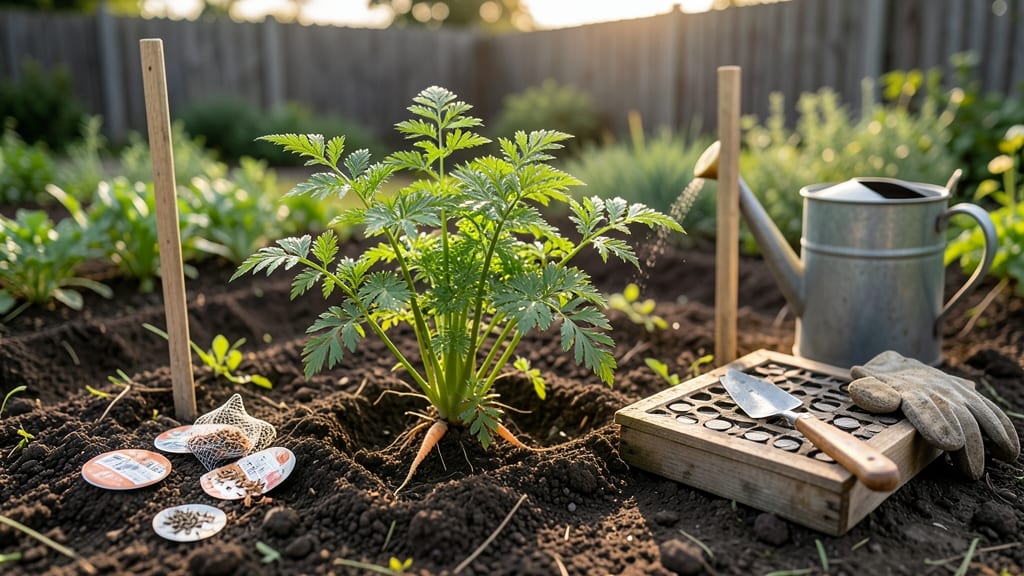
Vermont carrot planting deadlines by frost dates & variety type
Timing your carrot planting in Vermont hinges on two critical factors: last frost dates and soil temperature. Vermont’s USDA Zones 4-6 mean frost can linger until mid-May in northern regions like Chittenden County, while southern areas like Windham County may see frost-free conditions by late April.
To maximize your harvest, aim for soil temperatures of 50-85°F—carrot seeds won’t germinate well in cold, damp soil.
Most Vermont gardeners focus on two planting windows: spring (April-June) and early summer (July-August) for fall harvests. However, short-day varieties like 'Danvers Half Long' thrive in Vermont’s climate, while long-day varieties such as 'Rainbow' may need staggered plantings to avoid bolting.
Understanding your microclimate is key—urban areas like Burlington often warm up faster than rural spots.
Here’s how to align your planting with Vermont’s frost-free probabilities and variety-specific needs:
🥕 Vermont Carrot Planting Timeline
| Variety | Best Planting Window | Days to Harvest | Soil Temp Requirement | Frost Risk |
|---|---|---|---|---|
| Danvers Half Long | April 15 - May 15 July 1 - July 15 |
60-70 days | 50-75°F | High in spring Low in summer |
| Nantes | May 1 - June 1 July 15 - August 1 |
70-80 days | 55-80°F | Moderate in spring Low in summer |
| Paris Market | March 20 - April 10 August 1 - August 15 |
50-60 days | 45-70°F | Very high in spring None in summer |
| Rainbow | April 20 - May 10 July 5 - July 20 |
65-75 days | 50-85°F | High in spring Low in summer |
*Frost risk based on Vermont’s average last frost dates (varies by year). Use row covers for early spring plantings.
For spring plantings, start seeds indoors 4-6 weeks before your last frost date or sow directly into warmed soil (use a soil thermometer to confirm 50°F+). In Vermont’s rocky soil, amend beds with compost and sand to improve drainage and prevent forked roots.
If you’re planting in late summer for fall harvests, choose fast-maturing varieties like 'Paris Market' to avoid early frosts.
Pro tip: Check Vermont’s Vermont Weatherization and Building Trust’s frost maps for real-time updates. In 2023, last frost dates in Burlington ranged from May 5 to May 15, while Bennington saw frost-free conditions by April 25.
Plan accordingly—late frosts can devastate young seedlings if not protected with frost cloth.
Another critical factor is succession planting. Since carrots take 60-80 days to mature, stagger plantings every 2-3 weeks from April through July to ensure a continuous harvest. This is especially useful in Vermont’s short growing season, where you only have about 165 frost-free days in most regions.
If you’re growing heirloom or long-day varieties, be cautious of bolting—a common issue when days grow longer. 'Rainbow' carrots, for example, may bolt if planted too early in late spring.
To prevent this, use shade cloth during peak sunlight hours or choose short-day varieties like 'Danvers' for more reliable results.
Finally, don’t overlook fall plantings. While Vermont’s first frost typically arrives by mid-October, you can still squeeze in a late summer crop if you plant by early August.
Use row covers to extend the season and protect tender seedlings from unexpected cold snaps. With the right timing, you
How to adjust planting for Vermont’s short growing season & rocky soil
Vermont’s short growing season (just 165 frost-free days) and rocky, clay-heavy soil demand smart adjustments to grow carrots successfully. The key? Succession planting and soil prep that mimics the loose, stone-free conditions carrots crave.
I’ve learned that 3-4 planting cycles spaced 2-3 weeks apart can stretch your harvest from June to October.
For early spring plantings (March-April), choose cold-hardy varieties like 'Paris Market' or 'Early Nantes'. These tolerate soil temps as low as 50°F and mature in 50-60 days, perfect for Vermont’s unpredictable last frost dates (mid-May in most regions).
I always start with these in protected beds or under floating row covers to buy extra time.