
Plants
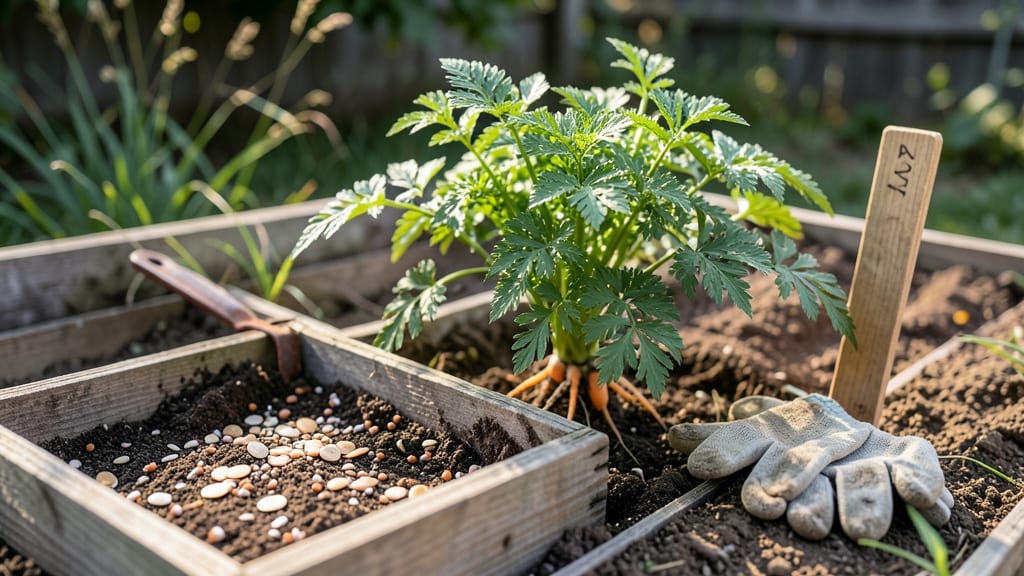
Timing your carrot planting in Zone 5b can make or break your harvest—especially when those sneaky late frosts threaten to ruin your hard work. With just 150 frost-free days to work with, getting the seeds in the ground at the right moment is the key to avoiding disappointment.
Whether you're a first-time gardener or a seasoned green thumb, knowing the exact weeks to plant ensures your 🥕 roots grow sweet and plentiful instead of bolting or freezing.
Most gardeners in Zone 5b focus on two prime windows: early spring (March-April) and late summer (July-August). But here's the catch—planting too early means risking frost damage, while waiting too long cuts your harvest short.
I'll walk you through the precise timing, soil prep tricks, and variety choices that work best in your climate, so you can enjoy fresh carrots from July right through October.
Let’s talk frost—because in Zone 5b, that’s the real villain of carrot growing. The average last frost date hovers around April 15, but Mother Nature doesn’t always follow the script.
I’ll show you how to adjust your planting schedule based on soil temperature, not just the calendar, so your seeds germinate fast and strong. Plus, I’ll share my top tips for extending your harvest into fall, even when the first frost looms.
Ready to grow carrots that rival the grocery store? You’ll discover how succession planting, companion plants, and a few simple soil tweaks can turn your Zone 5b garden into a carrot powerhouse. No more wasted seeds or bitter roots—just a steady supply of crisp, homegrown 🥕 all season long.
Zone 5b carrot planting calendar: exact weeks to avoid frost damage
Getting your carrot seeds in the ground at the right time in Zone 5b is critical—one wrong move, and frost can turn your dreams of crisp harvests into sad, frozen memories.
Unlike heat-loving veggies, carrots thrive in cool soil but bolt when temperatures spike. Let’s break down the exact weeks to plant for foolproof success, using last frost dates as our guide.
In Zone 5b, your average last frost date hovers around April 15, but this can shift 2 weeks earlier or later depending on your location (think Chicago vs. Minneapolis).
For spring planting, aim to sow seeds 4-6 weeks before your last frost—that’s roughly mid-March to early April. Carrots need consistent soil temps above 50°F to germinate, so don’t rush if the ground is still icy.
Here’s the golden rule: Plant your first batch when soil temps hit 50°F and hold steady. Use a soil thermometer to check—if it’s cooler, wait. For fall planting, seed 8-10 weeks before your first frost (around mid-July to early August in Zone 5b).
This gives carrots time to mature before winter sets in. Pro tip: Hardening off seedlings for 7-10 days before transplanting boosts survival rates in unpredictable springs.
| Planting Window | Soil Temp Requirement | Frost Risk | Zone 5b Timing |
|---|---|---|---|
| Early Spring | 50°F+ | High (pre-frost) | Mid-March to early April |
| Late Summer | 60°F+ | Low (post-frost) | Mid-July to early August |
| Succession Planting | 50-60°F | Moderate | Every 2-3 weeks (April-July) |
If you’re in a cooler microclimate within Zone 5b (like northern Minnesota), push spring planting to late April to avoid frost. Conversely, in warmer pockets (e.g., southern Wisconsin), you might start as early as late February under row covers.
Always check your local frost dates—the Almanac’s frost calculator is my go-to tool for precision.
For fall carrots, seed no later than August 1st in Zone 5b. Varieties like ‘Paris Market’ mature faster (50-60 days) and are ideal for late-season planting. Use black plastic mulch to warm soil and extend the harvest window by 2-3 weeks.
Just remember: Overheating soil (above 85°F) can cause carrots to split or develop bitter flavors, so avoid planting in peak summer heat.
One common mistake I see? Planting too close to frost dates and ending up with stunted, woody roots. Carrots need 70-80 days to reach harvest size, so factor that into your timeline.
For example, if you plant on April 1st and your first frost is October 15th, you’ve got a 197-day window—plenty of time for multiple harvests with succession planting.
To test your soil readiness, do the finger test: Stick your finger 2 inches deep. If the soil feels cool but workable (not soggy), it’s time. For extra insurance, use frost blankets or cloches on young seedlings during unpredictable spring nights.
I’ve saved entire rows this way after a surprise 28°F dip in early May.
Finally, track your progress with a garden journal. Note when you planted, soil temps, and harvest dates. Over time, you’ll refine your Zone 5b carrot schedule like a pro.
And if all else fails? Start seeds indoors 4 weeks before your last frost date—just be sure to harden them off properly before transplanting.
Carrot variety matters: fast-growing vs. slow-germinating types for Zone 5b
Choosing the right carrot variety for Zone 5b can make or break your harvest—especially when dealing with short growing seasons and unpredictable frosts. Fast-germinating varieties like 'Early Nantes' thrive in cool spring soil, while slower starters like 'Danvers' handle summer heat better.
The key is matching your planting window to the variety’s germination speed and maturity timeline.
For early spring plantings (March–April), prioritize varieties with 70%+ germination rates in cool soil. My go-to is 'Paris Market'—it germinates in just 7–14 days and matures in 60 days, perfect for beating late frosts.
Meanwhile, 'Chantenay' (a heirloom favorite) takes 14–21 days to germinate but handles summer heat better, making it ideal for July–August plantings.
🥕 Carrot Variety Summary for Zone 5b
| Variety | Germination Time | Days to Maturity | Best Planting Window | Zone 5b Note |
|---|---|---|---|---|
| Early Nantes | 7–10 days | 60–70 days | March–April | Fastest for spring |
| Paris Market | 7–14 days | 60 days | March–May | Cold-tolerant |
| Danvers | 14–21 days | 70–85 days | July–August | Heat-resistant |
| Chantenay | 14–21 days | 75 days | June–July | Best for storage |
If you’re planting in late summer (August), opt for varieties like 'Nantes' or 'Rainbow'—they germinate quickly in warm soil and mature before first frost (around October 15). Pro tip: Soak seeds overnight before planting to boost germination rates in Zone 5b’s cool, damp springs.
For fall harvests, consider 'Solar Yellow'—it tolerates light frosts and matures in 70 days, giving you a late-season crop. Just avoid Danvers for early plantings; its slow start can leave it struggling in Zone 5b’s short season.
Always check seed packets for days to maturity and count backward from your average first frost date.
Remember, soil temperature is just as critical as variety. Carrot seeds need soil at 50°F+ to germinate—use a soil thermometer to avoid planting too early. In my experience, waiting until mid-April for spring plantings ensures consistent germination in Zone 5b’s unpredictable climate.
For succession planting, stagger varieties every 2 weeks in spring and 3 weeks in fall. This keeps your harvest going from July through October—just don’t forget to thin seedlings to 2–3 inches apart to prevent forked roots.