
Plants
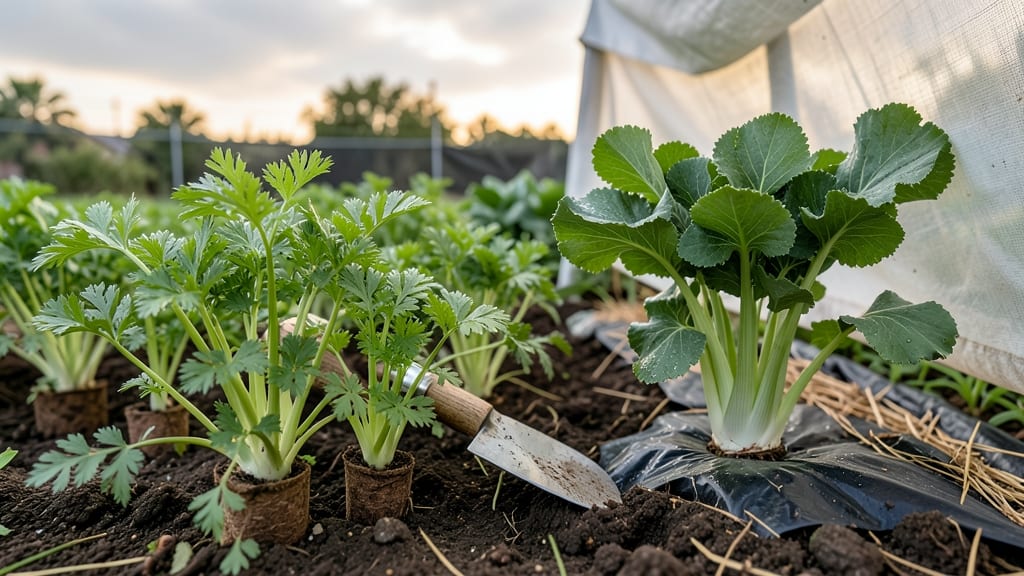
If you're dreaming of a crisp, homegrown 🥬 harvest in Florida, timing is the key to success—because planting celery at the wrong time means bolting or bitter stalks. Unlike northern gardeners, Florida growers don’t have to worry about frost, but the heat can still throw off your celery’s growth cycle.
Here’s the secret: celery thrives when soil temperatures hover between 50°F and 75°F, which in Florida means two prime windows—fall (August–October) and spring (February–March). Miss these, and you’ll end up with tough, stringy stalks or plants that bolt before you can harvest.
I’ll break down exactly when to plant for your specific Florida region, from the Panhandle to the Keys, plus pro tips to keep your celery cool and crisp—even when summer heats up. Ready to grow celery that’s sweeter and more productive than store-bought?
Let’s dive into the perfect planting schedule so you can enjoy fresh, homegrown 🥬 all year long without the guesswork.
Optimal soil temperature triggers for planting celery in Florida
Celery thrives in cool soil temperatures, but Florida’s warm climate means we must plant strategically to avoid bolting or stunted growth. The key soil temperature range for planting celery is 50°F–75°F, with ideal conditions between 60°F–70°F. This window ensures steady germination and root development without heat stress.
In Florida, we have two primary planting seasons: fall (August–October) and spring (February–March). Fall planting aligns perfectly with cooling temperatures, while spring planting requires careful monitoring as soil warms. A soil thermometer is your best tool to track these temperatures—aim for consistency in your garden bed.
Direct sowing works best when soil temps are 60°F–65°F, while transplants tolerate slightly warmer soil up to 75°F. If your soil exceeds 80°F, celery will bolt prematurely, sending up flower stalks instead of producing crisp stalks.
This is especially critical in Florida’s summer months, where heat can derail even the most careful plan.
| Stage | Soil Temp (°F) | Action | Notes |
|---|---|---|---|
| Direct Sowing | 60–65°F | Plant seeds ¼" deep | Best for fall planting |
| Transplanting | 60–75°F | Set out seedlings | Use shade cloth if >75°F |
| Heat Stress Risk | >80°F | Avoid planting | Celery bolts quickly |
| Ideal Growing Temp | 60–70°F | Maintain moisture | Crisp stalks guaranteed |
For fall planting, start seeds indoors 10–12 weeks before your first frost date (though Florida rarely sees frost, aim for early September for outdoor transplanting). If you’re in North Florida, where rare frosts can occur, push planting to late August to ensure a harvest before temperatures drop.
Spring planting is trickier because Florida’s soil warms rapidly. Begin with transplants in February and monitor soil temps daily. If your thermometer hits 75°F+, provide afternoon shade with a 30–50% shade cloth to prevent bolting. Mulching with straw or grass clippings also helps retain moisture and regulate soil temperature.
One common mistake is planting celery too late in spring, when soil temperatures exceed 80°F. By April, the risk of bolting skyrockets, and your plants may produce bitter, woody stalks instead of the tender celery you crave.
Always check soil temps before planting—this simple step saves hours of frustration later.
Pro tip: Use a soil thermometer for 3 consecutive days to confirm stable temperatures. Fluctuations can stress young seedlings, so consistency is key. If your garden bed sits in full sun, test temps in the morning (soil cools overnight) and afternoon to account for daily swings.
In Florida’s Central and South regions, where heat lingers longer, extend your fall planting window into early November. These areas can support celery growth through December if you provide shade and consistent water. Just remember: bolting is your enemy, and heat is its accomplice.
For gardeners in North Florida, where cooler nights are more common, you can push fall planting into early October without risk. The cooler nights help maintain ideal soil temps longer, giving your celery more time to mature before winter sets in.
Always keep an eye on weather forecasts—unexpected cold snaps can stall growth.
Florida’s best months to plant celery by region (north vs. central vs. South)
Florida’s diverse climate zones mean your celery planting window depends heavily on where you live. While most of the state enjoys frost-free growing, northern regions like the Panhandle face rare cold snaps, while southern areas like Miami can push limits year-round.
Let’s break down the best months for each zone to avoid heat stress or bolting.
In North Florida (Zones 8a-9a), your safest bet is to plant celery transplants in late summer (August-September) for a fall harvest. This region can experience light frosts in January, so avoid planting too early.
For a spring crop, start seeds indoors in January and transplant by February before temperatures rise.
Central Florida (Zones 9b-10a) offers the most flexibility. You can direct-sow seeds in July-August for a fall harvest or transplant in September-October for winter growth. Spring planting works too—start seeds indoors in February and move outdoors by March. Coastal areas here benefit from moderate humidity, reducing bolting risks.
🥬 Celery Planting Windows by Florida Region
| Region | Best Planting Months | Harvest Window | Key Considerations |
|---|---|---|---|
| North Florida (Panhandle) | August-September (fall) / February (spring) | November-December / May-June | Avoid January frosts; use row covers |
| Central Florida (Orlando) | July-August (direct sow) / September-October (transplant) | October-November / March-April | Humidity helps; mulch heavily in summer |
| South Florida (Miami) | Year-round (best: September-March) | December-April (continuous harvest) | Shade cloth essential in summer; watch for pests |
In South Florida (Zones 10b-11), you can technically plant celery year-round, but the best window is from September through March. Summer heat (above 85°F soil temp) triggers bolting, so use shade cloth (30-50%) if attempting a summer crop.
Coastal areas here also benefit from ocean breezes, which help regulate temperature.
Regardless of your zone, always monitor soil temperature with a thermometer—celery roots thrive between 50°F–75°F. If your local forecast predicts unseasonal heat waves, opt for shade-tolerant varieties like 'Utah' or 'Tall Utah' and keep soil consistently moist to prevent stress.
Pro tip: North Florida gardeners can extend their season by planting celery under floating row covers in early spring. This adds 2-3°F of protection against unexpected cold snaps, giving you an earlier harvest. For all regions, succession planting every 3-4 weeks ensures a steady supply of fresh celery.