
Plants
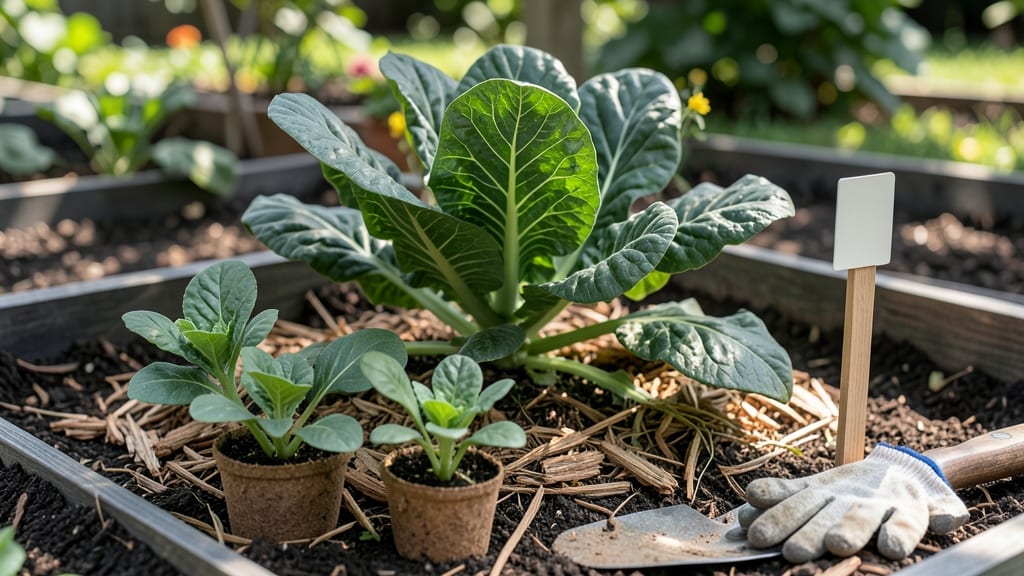
Timing your collards planting in Zone 7b isn't just about throwing seeds in the ground—it's the difference between a thriving 🥬 harvest and sad, bolted greens. These cool-weather lovers wilt when summer hits, so knowing your frost dates and heat limits is key to success.
If you plant too early, your collards might bolt before you can enjoy them. Too late, and you risk stunted growth from summer's heat. The ideal windows are early spring (March–April) or late summer (August–September), when temperatures stay mild.
Let me show you exactly how to work with your local climate for perfect timing.
You'll discover how to calculate your frost dates, choose heat-tolerant varieties, and even extend your growing season with simple tricks. Whether you're a first-time gardener or a seasoned pro, these insights will help you grow collards that taste like they came straight from a Southern kitchen.
Ready to grow collards that thrive? I'll walk you through everything from soil prep to spacing tips—so you can enjoy fresh greens from fall through winter. Let's get those seeds in the ground the right way!
Zone 7b frost dates & collard planting windows for maximum yield
Zone 7b’s mild winters and hot summers create a unique challenge for growing collards. Unlike northern zones, you can’t rely on long winters—so timing is everything. The key is planting when soil temps are 40–50°F (4–10°C) and avoiding the 85°F+ (29°C+) heat that triggers bolting.
Let’s break down the exact windows to maximize your harvest.
In Zone 7b, your last spring frost typically falls around March 15, while the first fall frost arrives near November 15. This gives you two prime planting windows: early spring (March–April) and late summer/early fall (August–September).
Spring plantings mature just as summer heat arrives, while fall plantings thrive in cooler temps before frost.
Here’s how to align your planting with Zone 7b’s climate for the best results:
| Planting Window | Zone 7b Deadlines | Soil Temp | Heat Risk | Action |
|---|---|---|---|---|
| Early Spring | March 1–April 15 | 40–50°F (4–10°C) | Low (bolting risk after May) | Direct sow or transplant |
| Late Summer | August 1–September 15 | 60–70°F (15–21°C) | Moderate (avoid after Sept 15) | Start indoors 6–8 weeks before |
| Fall Harvest | October–November 15 | 50–60°F (10–15°C) | None (frost sweetens flavor) | Harvest before hard frost |
For spring plantings, aim to have collards mature by late May—after that, the heat will cause them to bolt (flower) and become bitter. Use row covers to shield young plants from unexpected late frosts, which can damage tender seedlings.
In my garden, I’ve found that planting 4–6 weeks before the last frost gives collards enough time to establish before summer arrives.
Your fall planting window is even more forgiving. Start seeds indoors in early August and transplant outdoors by mid-August to ensure they mature before the November 15 frost. This second crop often produces the sweetest, most tender leaves because the cooler temps reduce bitterness.
I’ve had success with succession plantings every 2 weeks in late summer to extend harvests into December.
Zone 7b’s microclimates can shift planting deadlines by 1–2 weeks. If you’re in a warmer microclimate (like near pavement or south-facing slopes), plant 2 weeks earlier in spring or 2 weeks later in fall.
Conversely, cooler spots (like near water features or north-facing gardens) can delay planting by 1 week. Always check your local frost-free days—Zone 7b averages 210 days, but this varies by location.
To extend your growing season, use low tunnels or cold frames in early spring or late fall. These can add 2–4 weeks to your harvest window by trapping heat. I’ve kept collards producing until mid-December with a simple hoop house covered in frost cloth. Just
If you miss the ideal windows, don’t despair—collards are hardy and fast-growing. Even a late August planting can yield harvests before frost if you use heat-tolerant varieties (like 'Vates') and provide daily shade cloth during heatwaves. The key is to monitor soil moisture and harvest frequently to encourage regrowth.
Pro tip: Mulch heavily with straw or leaves to keep roots cool and retain moisture. In my trials, mulched collards stayed 30% more productive during summer’s peak heat.
Pair this with drip irrigation to avoid wetting leaves (which spreads disease), and you’ll have crisp, flavorful greens even in Zone 7b’s challenging climate.
How to time collard successions for continuous harvests in Zone 7b
Timing your collard plantings right in Zone 7b means the difference between a steady harvest and a one-time bounty before summer heat sets in. Since collards bolt (go to seed) when temperatures hit 85°F+, strategic succession planting is key.
I’ll walk you through indoor seed-starting, transplanting deadlines, and spacing tricks to keep your greens productive all season.
For Zone 7b’s 210 frost-free days, aim for two main plantings: one in early spring (March–April) and another in late summer (August). This ensures you’re harvesting young, tender leaves in spring and mature, flavorful greens in fall—just before the first frost (November 15).
Pro Tip: Start seeds indoors 6–8 weeks before your last frost (March 15) to get a jumpstart. Use biodegradable pots so you can transplant seedlings without disturbing roots. If you’re sowing directly, wait until soil reaches 40°F (4°C)—usually mid-March in Zone 7b.
⚠️ Avoid Heat Stress
Collards stop producing when temps exceed 85°F (29°C). If your summer stretches into 90°F+, use shade cloth (30–50%) or row covers to protect plants. Without these, your greens will bolt prematurely and become bitter.
Space seedlings 12–18 inches apart in rows 2 feet apart to allow airflow and prevent disease. Thin seedlings to the strongest 6–8 inches tall to avoid competition. For container gardening, plant 3–4 seedlings per 5-gallon pot, ensuring each has at least 12 inches of root space.
To extend your harvest, make weekly sowings every 2–3 weeks from March to May. This staggered approach ensures a continuous supply of young leaves. In fall, your August planting will mature just in time for October–November harvests, giving you greens until hard frost hits.
Harvest outer leaves first to encourage regrowth—this keeps your plants productive for months. If you notice yellowing leaves or stems thickening, it’s time to pick more frequently or harvest the whole plant before it bolts. With this method, you’ll enjoy homegrown collards for 4–5 months in Zone 7b!