
Plants
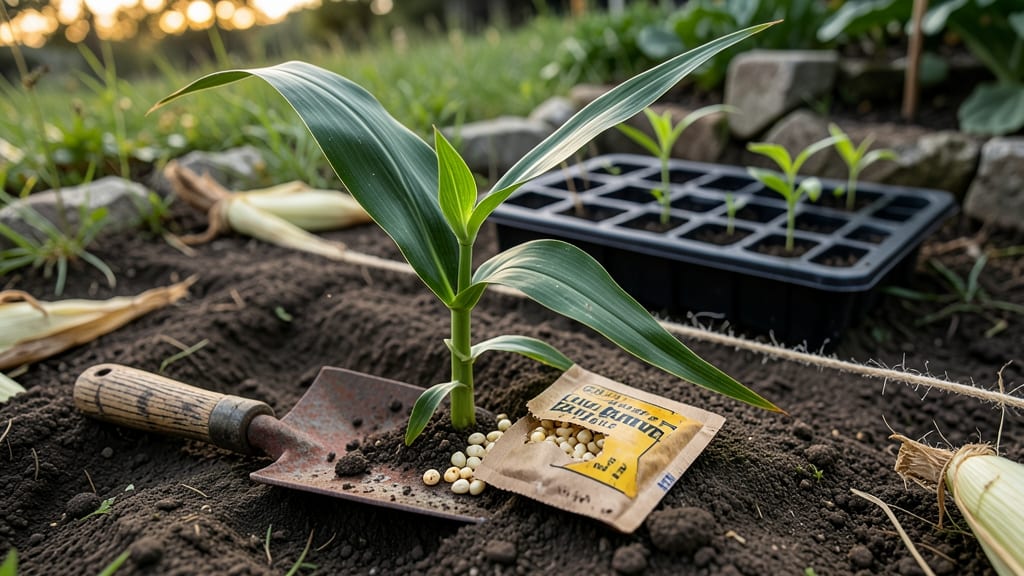
If you're wondering when to plant corn in Connecticut, timing is the secret to avoiding frost-nipped seedlings or missing your harvest window—because one wrong move can turn your garden dreams into a sad pile of withered husks. 🌽
Connecticut’s 5b-6b climate means you’ve got just a few weeks between the last frost (usually mid-April) and the heat of summer to get corn in the ground.
Plant too early, and a late frost will wipe out your crop; too late, and your ears won’t mature before fall’s chill sets in.
I’ll break down the exact soil temperature and frost-free deadlines you need to know, plus how to pick the right corn varieties for your region—whether you’re in Hartford, New Haven, or Stamford. No more guessing games, just a foolproof plan for sweet, plump ears by late July.
Ready to turn your garden into a cornucopia? Let’s dive into the perfect planting window and the simple steps to ensure your corn thrives from seed to harvest.
Optimal soil temperature and frost-free deadlines for planting corn in Connecticut
Corn thrives in warm soil and needs consistent temperatures to germinate properly. In Connecticut, soil should reach at least 50°F (10°C) before planting—any cooler, and seeds may rot. Use a soil thermometer to check, especially in cooler inland areas like Hartford, where soil warms slower than coastal regions like Stamford.
Timing your planting around Connecticut’s last frost dates is critical. The state’s frost-free window typically spans 165 days, but exact dates vary by region. For example, Hartford averages its last frost around April 20, while New Haven sees it by April 15.
Always wait 2 weeks after the last frost to ensure safety, as late frosts can still occur.
Here’s a quick reference for Connecticut’s frost-free deadlines and soil temperature targets by region:
| Region | Last Frost Date (Avg.) | Safe Planting Window | Soil Temp for Germination |
|---|---|---|---|
| Hartford | April 20 | May 1–15 | 50°F+ (10°C+) |
| New Haven | April 15 | April 30–May 10 | 50°F+ (10°C+) |
| Stamford (Coastal) | April 10 | April 25–May 5 | 50°F+ (10°C+) |
For early varieties (like 'Silver Queen'), you can push planting to late April if your soil is warm enough. However, mid-to-late season varieties (e.g., 'Bodacious') need to be planted by mid-May to mature before Connecticut’s first frost in mid-October.
Always check the USDA Plant Hardiness Zone Map for your exact location—Connecticut spans zones 5b to 6b.
If you’re unsure about your local frost dates, consult the Connecticut Agricultural Experiment Station or use the Almanac’s Frost Calculator. These tools provide hyper-local data to help you avoid frost damage while maximizing your harvest window.
One pro tip: Use black plastic mulch to warm soil faster in cooler areas. This can shave off 1–2 weeks from your planting timeline, giving you an earlier start for short-season varieties. Just remove it once plants emerge to prevent overheating.
Corn also benefits from warm air temperatures. Aim for 70°F (21°C) daytime temps for optimal growth. If nights remain chilly (50°F/10°C or lower), consider using row covers for the first 2 weeks to protect young plants.
Finally, remember that soil preparation matters just as much as timing. Work in compost or aged manure 2–3 weeks before planting to enrich the soil. Corn is a heavy feeder, so fertile soil ensures strong stalks and plentiful ears.
By aligning your planting with soil temperature, frost-free deadlines, and local microclimates, you’ll set your corn up for success—no matter where in Connecticut you garden. 🌽
Best corn varieties for Connecticut’s short growing season and how to time plantings
Connecticut’s short growing season (about 165 frost-free days) demands careful variety selection. Early-maturing sweet corn varieties thrive here, while late-season types risk frost damage before harvest.
My top picks include Silver Queen (85 days), Bodacious (90 days), and Peaches and Cream (100 days), all proven to deliver sweet, tender ears in time.
For a continuous harvest, stagger plantings every 10-14 days starting in mid-April. This ensures fresh ears from late July to early September, avoiding the risk of blight that peaks in August.
For example, plant Silver Queen first, followed by Bodacious, then Peaches and Cream—this spreads out your harvest window beautifully.
🌽
| Variety | Days to Maturity | Planting Window | Harvest Window | Notes |
|---|---|---|---|---|
| Silver Queen | 85 days | Mid-April to early May | Late July to early August | Early sweet, great for short seasons |
| Bodacious | 90 days | Late April to mid-May | Early to mid-August | Super sweet, disease-resistant |
| Peaches and Cream | 100 days | Early to mid-May | Mid-August to early September | Classic flavor, needs warm soil |
| Country Gentleman | 110 days | Late May (risky) | Late September (frost risk) | Only for early starts, use row covers |
If you’re coastal Connecticut (e.g., Stamford), you can push plantings slightly later due to milder microclimates. Inland areas like Hartford should stick to earlier varieties to avoid fall frost. For example, Bodacious planted in late April in Hartford will mature just before frost hits in mid-October.
Pro tip: Use black plastic mulch to warm soil faster and extend the season for late plantings. This trick adds 1-2 weeks of growing time, helping varieties like Peaches and Cream reach maturity in cooler inland areas. Just remove the mulch before harvest to avoid soil contamination.
Avoid late-season varieties like Country Gentleman unless you’re willing to gamble on frost. Even with row covers, 110-day varieties often struggle in Connecticut’s USDA Zone 5b-6b. Instead, focus on 85-100 day varieties and succession planting for a reliable harvest every year.
🌾