
Plants
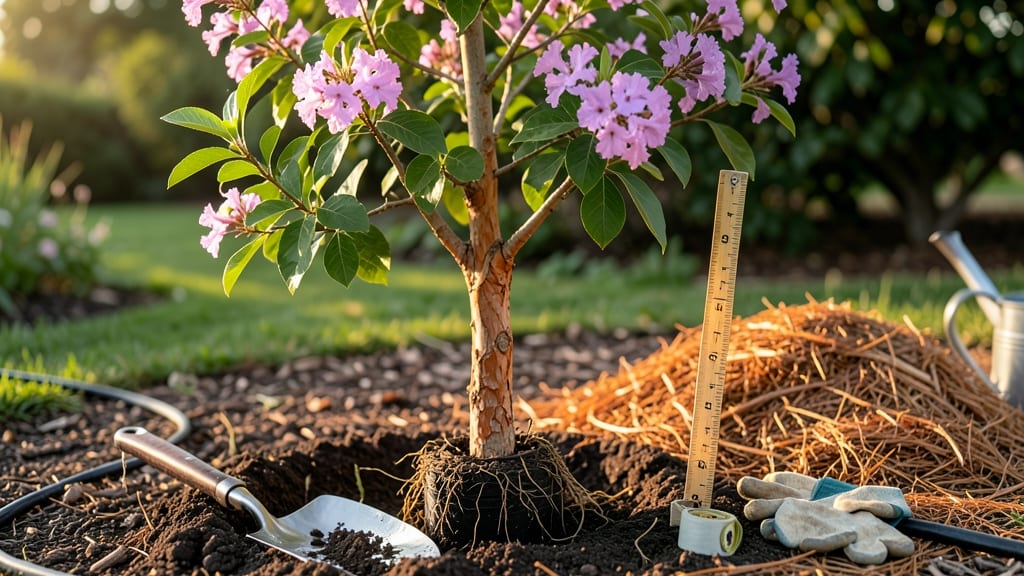
Planting your Crepe Myrtle 🌸 in Florida at the wrong time could mean struggling with weak roots or heat stress—so getting the timing right is everything for a showstopping tree.
Florida’s mild winters and long growing season make it possible to plant year-round, but late winter to early spring is when you’ll get the best results.
Why? This window lets your Crepe Myrtle establish strong roots before summer’s heat kicks in, giving it a fighting chance against drought or transplant shock.
If you’re in North Florida (zones 8a-9a), aim for January or February—after the last frost—while South Floridians (zones 10a-11) can plant almost anytime. The key is avoiding late fall, when cold snaps can sneak up and damage tender new growth.
I’ll break down the exact months for your heat zone, plus soil prep tips and common mistakes to skip. Let’s get your Crepe Myrtle off to a thriving start!
Florida heat zones and crepe myrtle planting windows by month
Florida’s diverse heat zones (8A through 10A) create unique planting windows for crepe myrtles. Unlike northern climates, Florida’s frost-free periods range from 240 days in the Panhandle to 365 days in Miami.
This means timing matters—plant too early in Zone 8A, and you risk late-winter frosts; too late in Zone 10A, and summer heat stress becomes a problem.
For optimal root establishment, aim to plant when soil temperatures hover between 60°F and 75°F. In North Florida (Zones 8A-9A), this aligns with January to early March. In Central and South Florida (Zones 9B-10A), you can extend planting into April—but avoid peak summer heat.
Here’s the key: Crepe myrtles hate soggy roots and heat stress. Planting in late winter gives roots time to establish before summer’s intensity, while early spring planting avoids winter dormancy risks.
In Zone 8A, I’ve seen gardeners rush planting in March only to watch their crepe myrtles wilt during a late frost. The solution? Wait until after February 15—when the risk of frost drops below 10%.
For Zones 9B-10A, the window is wider, but avoid June–August—this is when Florida’s humidity and heat create ideal conditions for root rot.
Pro tip: Use a soil thermometer to confirm temperatures. If the soil is below 60°F, wait—crepe myrtles won’t thrive with cold-stressed roots. Conversely, if it’s above 85°F, provide afternoon shade for the first 2–3 weeks.
For container-grown crepe myrtles, timing shifts slightly. You can plant year-round in Zone 10A, but late winter still offers the best balance of mild temps and increased rainfall. Just ensure your container has drainage holes—Florida’s summer downpours can drown roots faster than you think.
One mistake I’ve seen? Gardeners in South Florida planting in September for a "fall bloom." While crepe myrtles can bloom year-round in warm zones, September heat stresses young roots. Wait until October—the humidity drops, and temps are ideal for recovery.
Finally, consider microclimates. A coastal garden in Miami might handle April planting, but a shaded yard in Orlando could benefit from February planting to maximize sunlight exposure. Always scout your site for 2–3 days before planting to gauge wind, sun, and shade patterns.
Florida heat zones and crepe myrtle planting windows by month
Florida’s diverse climate means crepe myrtles can be planted year-round, but timing depends on your USDA heat zone (8A-10A). In North Florida (8A-9A), aim for late winter to early spring to avoid frost risks, while South Florida (10A) offers a longer window.
The key is planting when soil temps stay above 60°F (15°C) for root growth.
Crepe myrtles thrive in Florida’s heat but need time to establish roots before summer’s intensity. In Zone 8A (e.g., Jacksonville), plant between January 15 and March 15. In Zone 10A (e.g., Miami), you can plant year-round, but December-February is ideal to avoid hurricane season’s heavy rains.
Soil temperature is your best guide: use a soil thermometer to confirm it’s above 60°F (15°C). In North Florida, wait until after the last frost date (typically mid-January). In South Florida, frost isn’t a concern, but avoid hurricane season (June-November) for smoother planting.
| Heat Zone | Best Planting Window | Soil Temp Requirement | Avoid Planting |
|---|---|---|---|
| Zone 8A (Jacksonville, Gainesville) | Jan 15 - Mar 15 | Above 60°F (15°C) | Nov-Dec (frost risk) |
| Zone 9A (Orlando, Tampa) | Dec 1 - Apr 1 | Above 65°F (18°C) | Oct-Nov (hurricane prep) |
| Zone 10A (Miami, Key West) | Year-round (best Dec-Feb) | Above 70°F (21°C) | Jun-Nov (hurricane season) |
If you miss the ideal window, fall planting (September-October) is your second-best option in North Florida. Give young trees time to root before winter—aim for 6-8 weeks of growth before cold snaps. In South Florida, fall planting works too, but prioritize dry, calm weather to prevent fungal issues.
Pro tip: Container-grown crepe myrtles can be planted year-round in Florida, but bare-root trees need cooler soil temps. Check local Florida Climate Service data for your specific frost-free dates—this varies even within cities like Orlando or Tampa.
Remember, crepe myrtles hate waterlogged soil. If your area gets heavy rains during planting season (like June-August in South Florida), opt for raised beds or well-draining sites to prevent root rot. Mulch heavily after planting to retain moisture and regulate soil temperature.