
Plants
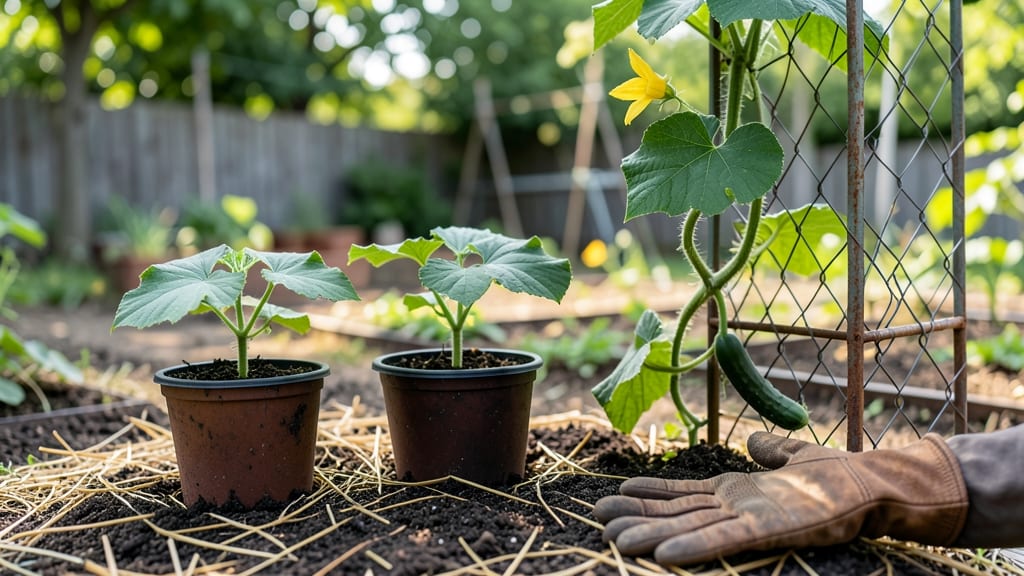
South Florida cucumber planting calendar: exact soil temp triggers to avoid bolting
Timing is everything when planting cucumbers in South Florida. Unlike northern climates, we don’t have frost dates to guide us—just soil temperature triggers that determine success or failure. Plant too early, and your seedlings will rot in cool soil.
Plant too late, and your vines will bolt from the heat. The sweet spot? Soil temps between 60°F–90°F for optimal growth.
South Florida’s USDA Zones 10a-11 mean we can grow cucumbers year-round, but peak production happens in spring (February–April) and fall (September–November). Summer planting is possible with heat-tolerant varieties, but it requires extra care. Let’s break down the exact windows and soil temp triggers to avoid bolting.
🌱 Did You Know? Cucumbers need 55°F–60°F soil temps to germinate but thrive in 70°F–90°F for growth. Below 55°F, seeds rot; above 90°F, vines bolt prematurely.
| Season | Planting Window | Soil Temp (°F) | Best Varieties | Key Tip |
|---|---|---|---|---|
| Spring | February–April | 60°F–80°F | Straight Eight, Marketmore 76 | Use black plastic mulch to warm soil faster. |
| Summer | May–June (with shade) | 75°F–90°F | Heat-tolerant: 'Southern Sweet 100', 'Arkansas Little Leaf' | Plant in partial shade; water deeply daily. |
| Fall | September–November | 70°F–85°F | Slicing: 'Diva', 'Sweet Success' | Start seeds indoors 3–4 weeks before last heatwave. |
| Winter | December–January (limited) | 65°F–75°F | Cold-hardy: 'Tyria' | Use row covers for extra warmth. |
Spring planting is my favorite because the soil warms steadily, and humidity isn’t yet oppressive. Aim to plant 4–6 weeks before the last expected cold snap (though South Florida rarely sees frost).
For fall, start seeds after Labor Day to avoid summer’s brutal heat. If you’re planting in summer, choose heat-tolerant varieties like 'Southern Sweet 100' and provide afternoon shade.
Pro tip: Use a soil thermometer to check temps before planting. If your soil is below 60°F, wait—cucumber seeds won’t germinate.
If it’s above 90°F, your plants will bolt within weeks. Black plastic mulch can raise soil temps by 5–10°F, giving you an earlier start in spring or a later finish in fall.
Microclimates matter in South Florida. Coastal areas like Miami and Fort Lauderdale stay warmer longer, while inland spots like Ocala can drop below 60°F at night. Adjust your planting dates accordingly.
For example, inland gardeners might delay spring planting until mid-March, while coastal gardeners can start as early as late January.
Bolting is the enemy of cucumber growers. It happens when plants sense heat or drought stress and rush to flower before producing fruit. To prevent it, keep soil consistently moist and mulch heavily.
If you’re planting in summer, shade cloth (30–50%) can buy you extra weeks of growth. I’ve had success with drip irrigation on a timer to avoid water stress.
For container growing, stick to bush varieties like 'Bush Champion' and plant in 5-gallon pots with fast-draining soil. Containers warm up faster, so monitor soil temps closely. If your balcony gets afternoon sun, consider a white shade cloth to protect seedlings from intense rays.
Remember: Harvesting frequently (every 2–3 days) encourages more production. Let cucumbers get too big, and the plant will stop flowering. And if you’re in hurricane season (June–November), secure trellises or use low-growing varieties to avoid wind damage.
How to extend your cucumber growing season in South Florida’s heat
South Florida’s summer heat can make cucumbers bolt—sending vines to flower and fruit too quickly before collapsing. But with the right strategies, you can push planting dates later into summer without sacrificing yields. The key? Managing soil temperature, humidity, and water stress.
Even in USDA Zone 10-11, cucumbers thrive best when soil temps stay between 70°F–90°F. If your garden hits 95°F+ for weeks, vines will struggle. Start by choosing heat-tolerant varieties like ‘Straight Eight’ or ‘Marketmore 76’—they handle South Florida’s heat better than standard types.
🌱 Visual Tip: Use a soil thermometer to check temps before planting. Aim for 60°F+ for germination, but 75°F+ for steady growth. If temps are too high, delay planting until evening breezes cool the soil.
| Season | Soil Temp Goal | Key Strategy | Heat Risk |
|---|---|---|---|
| Spring (Feb–Apr) | 60°F–75°F | Black plastic mulch + drip irrigation | Low (cooler mornings) |
| Summer (May–Aug) | 75°F–90°F | Shade cloth (30–50%) + mulch | High (afternoon heat) |
| Fall (Sep–Nov) | 65°F–80°F | Succession plant with shade | Moderate (humidity spikes) |
For summer plantings, shade cloth is your best friend. A 30–50% shade cloth reduces soil temps by 10–15°F and prevents bolting. Pair it with drip irrigation to keep roots cool—avoid overhead watering, which raises humidity and invites powdery mildew.
Mulch heavily with straw or black plastic to retain moisture and block weeds. In Zone 10–11, cucumbers can grow year-round, but September–November is ideal for fall crops. Start seeds indoors 4–6 weeks before transplanting to avoid heat shock.
💧 Pro Tip: Water deeply in the morning (before 10 AM) to reduce evaporation. Let soil dry slightly between waterings—soggy roots cause rot, while drought stress triggers bolting. Aim for 1–2 inches of water per week, adjusting for rain.
Finally, harden off seedlings gradually if starting indoors. Move them to partial shade for 3–5 days before full sun. This toughens vines and prevents wilting. With these tricks, you’ll harvest crisp cucumbers throughout the year, not just spring and fall!