
Plants
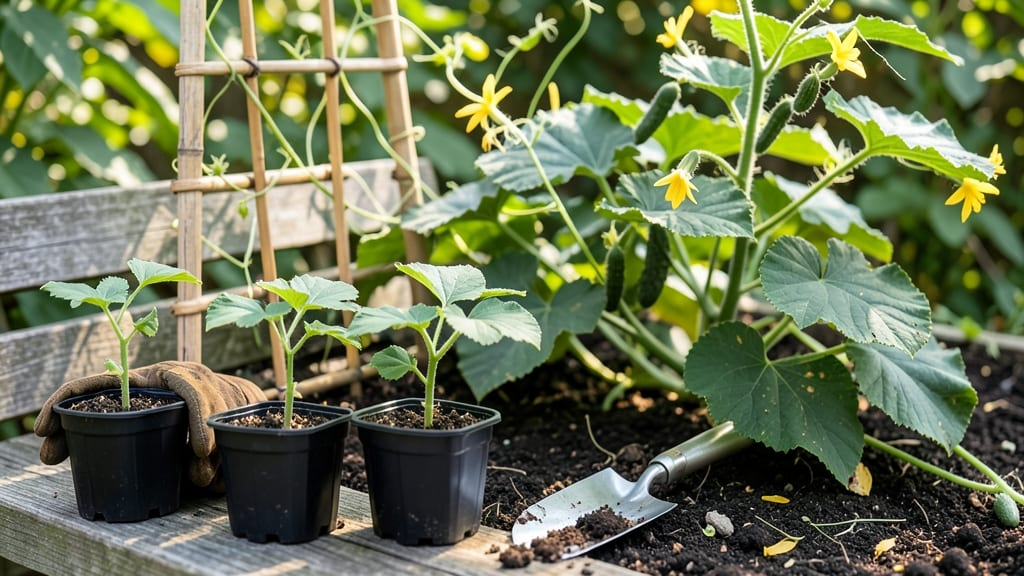
Timing your 🥒 cucumber planting in West Virginia isn’t just about following a calendar—it’s about mastering the mountain-to-valley variations that can mean the difference between a bountiful harvest and wasted effort.
In lowland areas like Charleston, where heat arrives early, you can start seeds as soon as soil warms to 60°F—often by mid-April. But up in the Allegheny Plateau, where USDA Zone 6a frosts linger longer, waiting until late May might save your plants from surprise chills.
Whether you’re a first-time gardener or a seasoned grower, getting these deadlines right ensures your vines thrive through West Virginia’s 165-day growing season. I’ll break down exactly when to plant by elevation, so you can avoid common pitfalls and maximize your yield from July through September.
Ready to turn your backyard into a cucumber powerhouse? Let’s dive into the microclimate-specific strategies that work for every corner of the state—no guesswork required.
West Virginia cucumber planting deadlines by elevation zone
West Virginia’s three distinct elevation zones dramatically impact when you should plant cucumbers. Lowland areas like Charleston experience earlier springs with warmer soil temperatures, while highland regions near Beckley face delayed frost-free dates and cooler growing seasons.
Understanding these differences ensures your cucumbers thrive rather than bolt or succumb to frost.
I’ve broken down planting deadlines by elevation, including last frost dates, soil temperature thresholds, and optimal transplant windows for each zone. These timelines account for West Virginia’s USDA Zone 6a classification while adjusting for microclimates like the New River Valley or Allegheny Plateau.
📌 Key Rule: Never plant cucumbers until soil reaches at least 60°F and air temperatures stay consistently above 55°F at night. Cold soil stunts root growth, leading to poor yields. Use a soil thermometer to verify—it’s your best tool for timing.
🌱 West Virginia Cucumber Planting Deadlines by Elevation
| Elevation Zone | Last Frost Date | Safe Planting Window | Soil Temp Threshold | Transplant Deadline | Notes |
|---|---|---|---|---|---|
| Lowland (0-1,500 ft) | April 15 | April 20–May 10 | 60°F+ | May 15 | Charleston, Huntington |
| Mid-Elevation (1,500-3,000 ft) | May 1 | May 10–May 25 | 60°F+ | June 1 | Morgantown, Clarksburg |
| Highland (3,000+ ft) | May 15 | May 25–June 10 | 60°F+ | June 15 | Beckley, Elkins |
💡 Pro Tip: For direct sowing, plant 2 weeks earlier than transplant deadlines. For transplants, start seeds indoors 3-4 weeks before your zone’s last frost.
If you’re in Charleston’s lowlands, you can start direct-sowing cucumbers as early as April 20, but wait until May 1 to transplant seedlings. This gives vines a 100-day growing season before the first frost hits around October 15.
In contrast, gardeners in Beckley’s highlands should delay planting until May 25 to avoid late frosts that can linger into early June.
For extended harvests, consider planting successive crops every 2 weeks after your initial deadline. This staggered approach ensures cucumbers ripen throughout July and August, even in shorter-season zones.
I’ve had great success with this method in Morgantown, where a second planting in early June produces cucumbers well into September.
Watch for soil temperature spikes in late spring—West Virginia’s river valleys can heat up quickly, while mountain slopes may stay cool longer. A black plastic mulch can warm soil by 5-10°F, helping you plant earlier in cooler zones. Just remove it after planting to prevent overheating.
In highland areas, prioritize early-maturing varieties like ‘Straight Eight’ or ‘Bush Champion’ to beat the clock. These varieties mature in 50-55 days, giving you a 10-day buffer before frost. Pair them with row covers for an extra 2-3 weeks of protection if needed.
🌱 Remember: Cucumbers are heat-loving plants, so avoid planting when nighttime temperatures dip below 55°F. Use a minimum-maximum thermometer to track trends—consistent warmth is key to preventing flower drop or poor fruit set.
How to adjust planting dates for West Virginia’s unpredictable spring weather
West Virginia’s spring weather can be a double-edged sword for cucumber growers. One day it’s 50°F with frost warnings, and the next, 80°F heatwaves arrive early. These temperature swings throw off planting schedules, leaving seeds in cold soil or vines struggling under sudden heat.
The key? Flexible timing strategies that account for soil warmth, frost risks, and local microclimates like the New River Valley’s warmth or the Allegheny Plateau’s chill.
First, track soil temperatures—not air temps—using a soil thermometer. Cucumbers need 60°F+ soil to germinate. In lowland areas (like Charleston), this might mean planting by mid-April, but in highland zones (above 3,000 ft), wait until mid-May.
Use row covers to warm soil faster if needed, especially in cool pockets near streams or north-facing slopes.
- Check frost dates: Use USDA Zone 6a averages, but add 1-2 weeks buffer for highland areas.
- Test soil warmth: Wait until 60°F+ at 2-inch depth (use a soil thermometer).
- Monitor weather forecasts: Delay if 32°F+ nights are predicted within 7 days.
- Use row covers if planting early: Protects seedlings from late frosts while warming soil.
- Have backup dates: Note secondary planting windows (e.g., June 15 for highlands).
For direct sowing, aim for 2-3 weeks after your last frost date. In Charleston’s Zone 7b pockets, this could be April 20, but in Beckley’s highlands, push to May 10.
If you’re transplanting seedlings, harden them off first and wait until all danger of frost has passed—typically mid-May statewide. Pro tip: Start seeds indoors 3-4 weeks before your outdoor deadline to hedge against delays.
Watch for heatwaves too—cucumbers bolt (flower prematurely) if temps exceed 90°F for days. In lowland areas, use shade cloth (30-50%) during peak sun (11 AM–3 PM) to prevent stress.
For highland gardens, focus on early-maturing varieties (like ‘Straight Eight’) to finish harvests before first frost (usually October 15).
Don’t forget humidity’s role: West Virginia’s summer moisture can lead to powdery mildew if vines stay wet. Space plants 2-3 feet apart for airflow, and water at soil level (not overhead) to reduce fungal risks.
If your area gets consistent rain (like the New River Valley), opt for dwarf varieties that dry faster.
Finally, keep a planting journal to refine your timeline. Note when you planted, soil temps, and any weather surprises. Over time, you’ll spot patterns—like Charleston’s early heat or Morgantown’s frost pockets—and adjust accordingly. With these strategies, you’ll turn West Virginia’s unpredictable spring into your cucumber-growing advantage. 🌱