
Plants
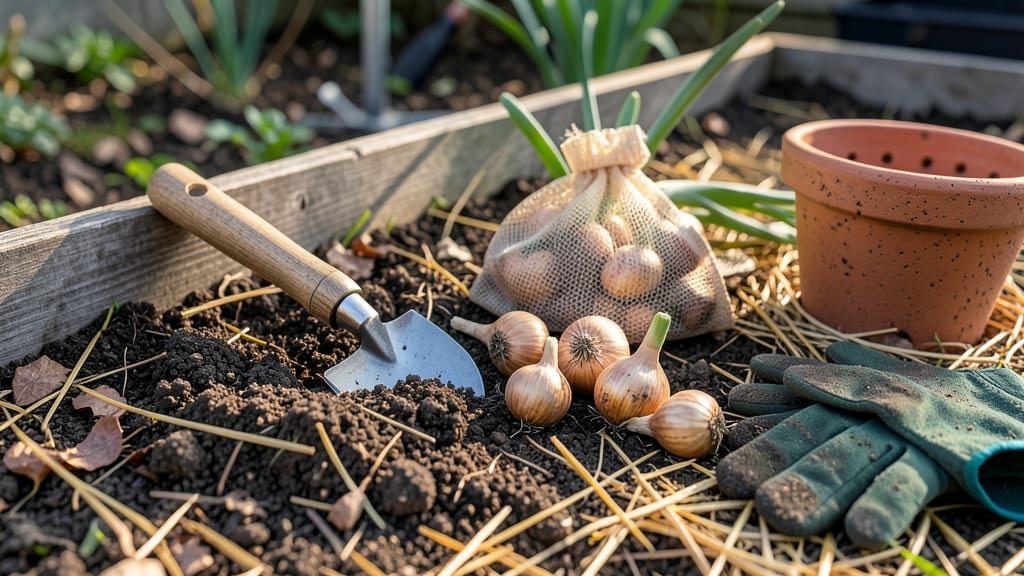
If you're dreaming of bright yellow daffodils 🌼 bursting through Alabama's soil next spring, knowing when to plant daffodil bulbs in Alabama is the secret weapon. The perfect window between October and December—before hard frosts—makes all the difference in Alabama's 7b-8b zones, where temperatures can swing unpredictably.
Planting too early risks rot, while waiting too long leaves bulbs vulnerable to winter's chill. I'll break down exactly when to get those bulbs in the ground, how to prep your Alabama soil for success, and what local gardeners often get wrong.
Skip the guesswork and set your garden up for vibrant blooms with these proven strategies.
Alabama's clay-heavy soils and occasional late rains add extra challenges, but with the right approach, your daffodils will thrive. We'll cover soil prep, planting depth, and even how to outsmart local pests that love to snack on fresh bulbs.
By the time spring rolls around, you'll have a garden full of cheerful daffodil faces greeting the sunshine.
Ready to transform your yard into a springtime spectacle? Let's dive into the exact timing and techniques that work best for Alabama gardeners—no more missed opportunities or wasted bulbs. Your future garden is waiting for these cheerful blooms!
Ideal Alabama fall planting window for daffodil bulbs
Alabama’s USDA Zones 7b-8b mean daffodil bulbs need precise timing to thrive. Planting too early exposes them to late summer heat, while waiting too long risks ground freezing before roots establish.
Aim for October through December, adjusting based on your region’s first hard frost dates—typically mid-November in North Alabama but late November in the South.
For North Alabama (Zones 7b-8a), start planting by late September to early October—this gives bulbs 6-8 weeks to root before the ground freezes. In Central and South Alabama (Zone 8b), you can extend planting until mid-December, as milder winters delay frost.
Check your local Alabama Cooperative Extension for year-specific frost predictions.
Soil temperature is your best indicator. Daffodil bulbs need 60°F soil to start rooting. Use a soil thermometer to confirm—if temps drop below 50°F, wait a week or two. In Alabama’s humid climate, this usually aligns with late October for most areas.
Miss the window? Don’t panic. You can plant daffodils in January as a last resort, but expect smaller blooms the first year. The ideal window is 4-6 weeks before frost, so mark your calendar for early October as your target start date.
⚠️ CRITICAL TIP: If Alabama’s unpredictable fall rains delay your planting, prioritize well-draining soil to prevent bulb rot. Use raised beds or amend heavy clay with compost or sand to improve drainage.
| Region | USDA Zone | Best Planting Window | Soil Temp Goal | Key Risk |
|---|---|---|---|---|
| North Alabama | 7b-8a | Late Sept - Early Oct | 60°F+ | Early frost |
| Central Alabama | 8a | Mid-Oct - Nov | 55°F+ | Heavy clay soil |
| South Alabama | 8b | Oct - Mid-Dec | 50°F+ | Late rains |
🌼 Pro Tip: Use a moisture meter to check soil readiness—bulbs need consistently moist but not soggy soil to root.
Alabama’s variable weather can throw off timing. If unseasonably warm October days trick you into planting early, monitor soil moisture—drought stress weakens bulbs before winter. Conversely, if cold snaps hit early, delay planting until temps stabilize above 50°F for at least a week.
For container gardening, extend your window slightly. Potted daffodils can handle cooler temps and can be planted as late as December if moved to a protected location (like a garage or under eaves) during hard freezes. Just ensure pots have drainage holes to prevent rot.
Once planted, mulch with 2-3 inches of straw or shredded leaves to insulate bulbs from Alabama’s temperature swings. Remove mulch in late winter to avoid smothering emerging shoots. This simple step can mean the difference between vibrant blooms and missed flowers next spring.
Remember: Daffodils thrive on routine. Plant the same time each year, and your garden will reward you with reliable, early-season color that brightens Alabama’s gray winter days. Mark your calendar now—October is your best bet for zero-frost success!
Ideal Alabama fall planting window for daffodil bulbs
Alabama’s USDA zones 7b-8b mean daffodil bulbs need precise timing to thrive. Plant too early, and they’ll rot in warm soil; too late, and frost will damage them.
The perfect window is 6 weeks before the first hard frost, which typically falls between mid-October and early December in most of the state.
Northern Alabama (e.g., Huntsville, Decatur) tends to have earlier frosts, so aim for late October to November 1st. Southern Alabama (e.g., Mobile, Birmingham) can plant until mid-December due to milder winters. Always check your local frost date averages—Alabama’s can vary by 2-3 weeks yearly.
Soil temperature is your best guide: daffodils need 60°F soil to start rooting. Use a soil thermometer to confirm—if temps drop below 50°F, delay planting until conditions improve. This is especially critical in North Alabama’s colder microclimates.
| Region | Ideal Planting Window | Soil Temp Goal | Key Consideration |
|---|---|---|---|
| North Alabama (Zones 7b) | Late October - November 1 | 60-65°F | Frost risk increases after Nov 15 |
| Central Alabama (Zones 7b-8a) | October 15 - December 1 | 55-60°F | Moderate frost risk; monitor forecasts |
| South Alabama (Zones 8a-8b) | November 1 - December 15 | 50-55°F | Milder winters; extend window |
Missed the window? Don’t panic. Daffodil bulbs can handle light frosts once planted, but avoid hard freezes below 20°F. For late plantings, use mulch (3-4 inches of straw) to insulate soil and protect roots. This is especially helpful in North Alabama’s unpredictable late-November dips.
Pro tip: Plant taller varieties (e.g., 'Ice Follies') first—they need deeper holes (6-8 inches) and benefit from early root establishment. Dwarf types (4-5 inches deep) can wait until mid-November in most areas.
Always plant bulbs with the pointy end up—this prevents rot and ensures proper growth.
After planting, water deeply to settle soil around bulbs. This one-time deep soak encourages root growth before winter dormancy. In Alabama’s clay-heavy soils, add sand or compost to improve drainage—this prevents bulbs from sitting in soggy conditions during wet falls.