
Plants
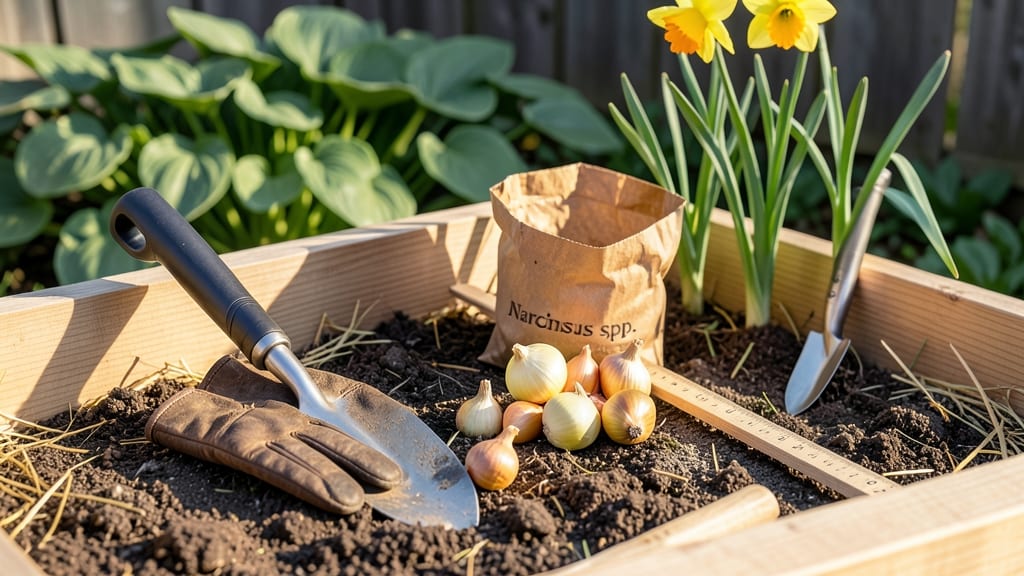
Planting daffodil bulbs in Maryland at the wrong time can mean the difference between vibrant spring blooms and wasted effort. The key window—October through November—gives these hardy 🌼 perennials the perfect head start before winter sets in.
If you’ve ever wondered why some gardeners get show-stopping daffodils while others struggle, the answer lies in understanding Maryland’s 7a-7b climate zones. Too early, and bulbs rot in cold soil; too late, and they won’t establish roots before frost.
I’ll break down the exact timing, soil prep, and even late-planting workarounds so you can guarantee those cheerful yellow blooms next spring.
You don’t need a green thumb—just the right strategy. From Baltimore’s urban heat islands to Western Maryland’s cooler microclimates, I’ll cover how to adjust your planting schedule for zero-frost success. Let’s get those bulbs in the ground the right way, the first time.
Ready to transform your yard into a springtime spectacle? The best part? These bulbs thrive with minimal fuss once planted correctly. Let’s dive into the step-by-step guide that’ll have your daffodils outshining the neighbors by April.
Maryland’s ideal daffodil planting months by climate Zone
Maryland’s climate varies from USDA Zone 7a in the mountains to Zone 8a near the coast, which means your daffodil planting window shifts slightly depending on where you live.
The sweet spot for most Maryland gardeners is mid-October through November, but let’s break it down by zone to avoid bulb rot or premature sprouting.
For Zone 7a (e.g., Frederick, Cumberland), aim to plant by October 15th. Soil temperatures here drop below 50°F by late October, signaling bulbs to root before winter. In Zone 7b (Baltimore, Annapolis), you’ve got a little more flexibility—plant through early November when soil temps hover around 55°F.
Gardeners in Zone 8a (e.g., Southern Maryland, near Washington, DC) can push planting to mid-November, but avoid waiting until December. Warmer soils here delay dormancy, increasing the risk of rot if planted too late.
Always check your local first frost date—Maryland’s average is November 15th, so plant 4-6 weeks before that date.
Here’s the golden rule: Soil temperature should be below 60°F but above freezing when you plant. Use a soil thermometer to confirm—this prevents bulbs from sprouting too early and getting fried by frost. If your soil is still warm in November, wait a week or two.
Pro tip: Early fall planting (September) is risky in Maryland’s humid climate. Bulbs may rot in warm, wet soil. Instead, focus on October-November when cooler temps and drier soil create ideal conditions. This timing ensures bulbs establish roots before winter, leading to vibrant spring blooms.
🌼
| USDA Zone | Ideal Planting Window | Soil Temp Threshold | Key Risk |
|---|---|---|---|
| 7a (Frederick, Cumberland) | Mid-October – Early November | Below 50°F | Premature sprouting |
| 7b (Baltimore, Annapolis) | Late October – Early November | 50–55°F | Bulb rot in warm soil |
| 8a (Southern MD, DC) | Early–Mid November | Above 55°F | Delayed dormancy |
If you’re unsure about your zone, check the USDA Plant Hardiness Zone Map or ask your local cooperative extension office. Microclimates—like urban heat islands in Baltimore or cooler valleys in Western Maryland—can shift your ideal window by 1-2 weeks.
For example, Mountain Maryland (Zone 7a) may need to plant 2 weeks earlier than coastal areas.
Planting depth matters too: 6 inches deep for standard daffodils, 4 inches for dwarf varieties. Use a trowel to dig holes 3x wider than the bulb, then add a handful of bone meal fertilizer to encourage root growth. Space bulbs 4-6 inches apart to prevent crowding.
After planting, water deeply to settle the soil and mulch with 2-3 inches of straw or shredded leaves. This insulates bulbs from temperature swings and retains moisture.
In Zone 8a, you might skip mulch if winters are mild, but in Zone 7a, it’s a must to protect bulbs from freezing soil.
Finally, mark your planting spots with flags or stakes—daffodil foliage disappears by summer, and you’ll want to avoid disturbing the bulbs when planting summer annuals. This simple step ensures you don’t accidentally dig up your next spring’s blooms!
🌱
5 Critical factors that determine your planting timeline
Maryland’s daffodil planting success hinges on more than just picking a month—your local microclimate, soil temperature, and even bulb size play starring roles. Let’s break down the five game-changers that shift your ideal window by weeks, sometimes even months.
First, soil temperature is non-negotiable. Daffodils need soil between 40°F and 60°F to root without rotting. In Maryland’s USDA zones 7a-7b, this typically aligns with mid-October to early November, but urban areas like Baltimore can run 5°F warmer than rural Frederick County—delaying your window by 1-2 weeks.
Next, rainfall patterns turn your garden into a mud pit or a drought zone. Maryland’s October-November average of 3-4 inches of rain per month can leave soil soggy.
If your yard stays wet for more than 48 hours, hold off planting until the ground drains—even if it’s past your ideal window.
Don’t overlook bulb size—it’s the secret weapon for late planners. A large daffodil bulb (2"+ diameter) can establish roots in 3-4 weeks even when soil hovers near freezing, while tiny bulbs may struggle.
Pro tip: Sort your bulbs before planting and tuck the biggest ones in first if you’re cutting it close to Maryland’s November 15 frost date.
Your local microclimate might feel like a different state. A south-facing slope in Hagerstown warms up 2 weeks earlier than a shady woodland garden in Annapolis. Use this to your advantage: plant high spots first, then work your way downhill.
For container gardening, add an extra week to your timeline—pots cool faster than in-ground beds.
Finally, frost dates aren’t just about avoiding damage—they’re about giving roots time to anchor. Maryland’s first hard frost typically arrives November 15, but plant 4-6 weeks before that date (early October) to ensure roots have 6-8 weeks of growth before winter.
Use your local CoCoRaHS station data for hyper-local frost predictions.