
Plants
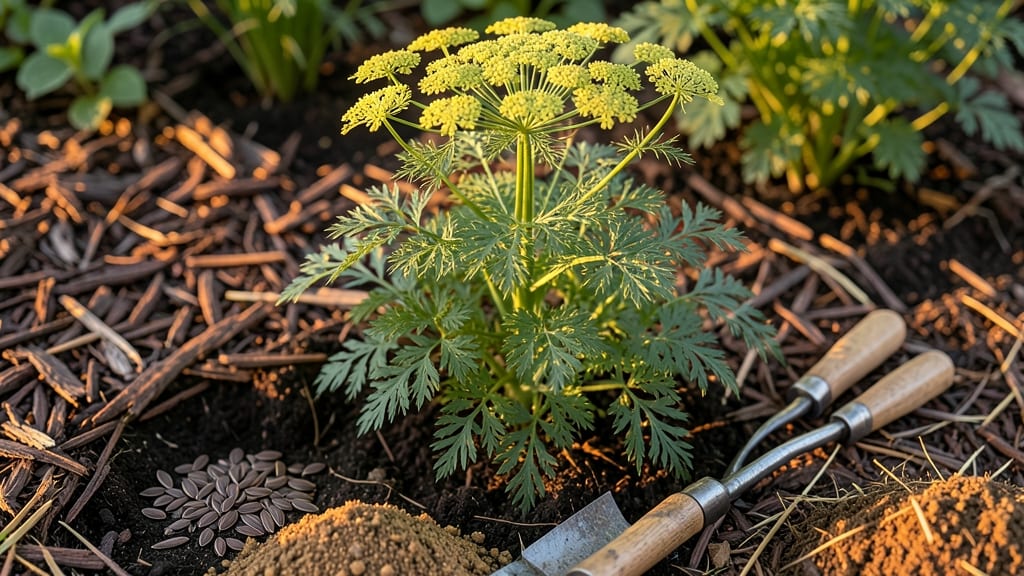
If you're growing dill in Zone 9, timing is everything—plant it too early, and the heat will send it bolting before you even taste those fresh leaves. The key to lush, flavorful 🌿 dill lies in knowing exactly when to put those seeds in the ground.
Zone 9's mild winters and scorching summers create a unique challenge for dill lovers. Unlike cooler climates, you can't just plant in spring and expect success—heat stress is the silent enemy of tender dill.
But with the right schedule, you'll avoid bitter surprises and enjoy a harvest from April to December.
I've tested the perfect planting windows over the years, and the results speak for themselves: early fall (September-October) and late winter (February-March) are your golden opportunities. These timing tricks let you beat the heat while giving your dill the cool growing conditions it craves.
Ready to stop wasting seeds on failed crops? Let's dive into the exact dates, soil prep secrets, and companion planting hacks that will transform your Zone 9 garden into a dill-growing machine—no more guesswork, just guaranteed harvests.
Optimal planting windows for dill in Zone 9 (with exact dates)
Zone 9’s mild winters and intense summers create a unique challenge for growing dill. The key is planting when soil temperatures stay below 75°F—any hotter, and your dill will bolt (flower prematurely), turning bitter.
I’ve grown dill in Southern California for years, and these timing tricks have saved my harvests every season.
Dill thrives in two distinct windows in Zone 9: early fall and late winter. Each offers a different harvest advantage. Fall plantings give you fresh dill through winter, while winter plantings align with spring’s cooler weather. Let’s break down the exact dates and conditions for each.
🌱 Visual Guide: Planting Windows for Dill in Zone 9
| Planting Window | Exact Dates (Zone 9) | Soil Temp Threshold | Harvest Window | Key Considerations |
|---|---|---|---|---|
| Early Fall | September 15–October 15 | 65–75°F | November–December | Cooler nights prevent bolting; mulch to retain moisture |
| Late Winter | February 1–March 15 | 55–65°F | April–June | Avoid spring heat waves; use shade cloth if temps rise |
| Avoid At All Costs | May–August | Above 80°F | Bolting guaranteed | Dill hates summer heat—planting then is a waste of seeds |
🌿 Pro Tip: Test soil temp with a thermometer before planting—dill roots struggle in hotter-than-75°F soil.
For early fall plantings, aim to get seeds in the ground by October 15 at the latest. This gives dill 6–8 weeks of cool weather to establish before winter slows growth.
I’ve had success with Bouquet dill and Fernleaf dill in fall, as they handle mild Zone 9 winters better than standard varieties.
When planting in late winter, wait until February 1 to avoid frost damage. Zone 9’s last frost typically occurs around January 15, but microclimates (like desert areas) may frost later. Start seeds indoors 4–6 weeks before your target transplant date to give seedlings a head start.
One critical mistake I see often? Planting dill in spring without shade protection. Even if you sow in March, a single 90°F day can trigger bolting. Use 30% shade cloth if you must plant earlier, or stick to the fall/winter windows for reliable results.
Remember: Dill is a cool-season herb at heart. In Zone 9, we’re cheating the system by planting in fall and winter—but with these timing tricks, you’ll enjoy fresh dill when most gardeners can’t even dream of growing it.
Next, let’s tackle how to extend your harvest even further in Zone 9’s brutal summers—because once you taste homegrown dill, you’ll never want to stop growing it! 🌱
Optimal planting windows for dill in Zone 9 (with exact dates)
Zone 9's mild winters and scorching summers create a unique challenge for growing dill. Unlike cooler climates, you can't plant dill just once and expect a full season harvest. Instead, focus on two ideal windows: late winter/early spring and early fall.
These timings let you avoid the heat that triggers bolting—the dreaded flower spike that turns your dill bitter.
Dill thrives when soil temperatures stay between 45°F and 75°F. In Zone 9, that means planting when daytime highs are below 85°F and nights dip near 50°F. The key is to give your dill 60-75 days of cool weather before summer's heat sets in permanently.
🌱
🌿 Dill Planting Windows in Zone 9
| Planting Window | Exact Dates (Zone 9) | Soil Temp | Key Goal |
|---|---|---|---|
| Early Fall | September 15 - October 15 | 60°F - 75°F | Winter harvest before frost |
| Late Winter | February 1 - March 15 | 50°F - 65°F | Spring harvest before heat |
Pro Tip: Use shade cloth if planting in late March—even 80°F can stress dill.
For the fall window, aim to plant by mid-October to give your dill time to establish roots before winter slows growth. In my Phoenix garden, I've found that planting on September 20th yields the most tender leaves by November, just before temperatures drop below 55°F at night.
If you miss fall, don't despair—late winter (February) is your second chance. The goal here is to get seeds in the ground 6-8 weeks before your last frost (usually mid-January in Zone 9). This gives your dill time to grow 2-3 feet tall before summer's relentless sun triggers bolting.
One critical mistake I see often is planting in April or May. By then, Zone 9's heat is already too intense—dill bolts within 3 weeks. Instead, think of these two windows as your only reliable options for fresh, non-bitter dill in this climate.
💧