
Plants
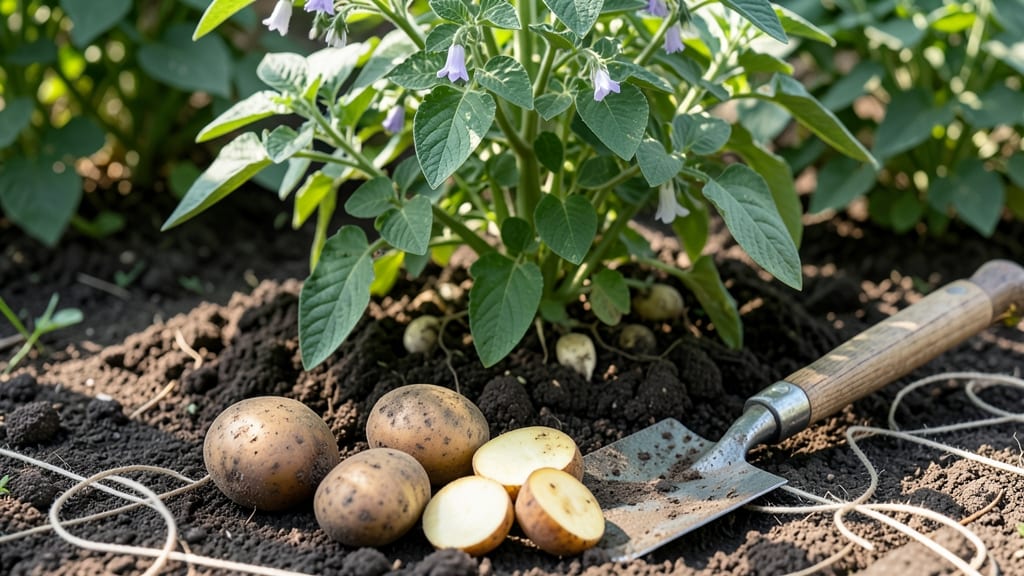
If you’ve ever missed the spring window for planting potatoes but still crave homegrown spuds, when to plant fall potatoes in Zone 8 could be your game-changer.
The key to success isn't just timing—it's understanding how to work with your local climate to beat frost and still harvest before winter sets in.
Most gardeners assume fall potatoes are too risky, but with the right variety and planting schedule, you can enjoy a second harvest that rivals spring's bounty.
I've tested different approaches in Zone 8, and what works best depends on when your first frost typically arrives—and how quickly your chosen potatoes mature.
Planting too early risks disease, while waiting too long means tubers won't fully develop before cold weather. The sweet spot? Starting 4-6 weeks before your average first frost date—usually between mid-August and early September.
This gives your potatoes enough time to reach harvest size without becoming vulnerable to winter's chill.
In this guide, I'll break down the exact dates, soil prep secrets, and variety recommendations that have worked for me—so you can avoid common mistakes and walk away with a harvest that puts store-bought spuds to shame. Let's get those potatoes in the ground the right way.
Zone 8 fall potato planting dates: exact timing for zero-frost harvests
Fall potatoes in Zone 8 thrive when planted at the right time—typically 4-6 weeks before your first frost. For most Zone 8 regions, this means mid-August to early September, but exact dates depend on your local frost average and variety maturity.
Plant too early, and your tubers may start sprouting before harvest. Plant too late, and frost will damage foliage before tubers mature.
Your first frost date is the starting point. In Zone 8, this usually falls between November 15 and December 15, depending on elevation and microclimates. Count backward 90-120 days (the time most potato varieties need to mature) to land on your ideal planting window.
For example, if frost hits November 15, aim for a mid-August planting for early-maturing varieties.
Soil temperature is just as critical as air temperature. Potatoes sprout best in soil that’s 50-65°F. Use a soil thermometer to check—if it’s below 45°F, wait a week or two.
In Zone 8, soil temps in late August are usually perfect, but early September plantings may struggle in cooler microclimates like mountain areas.
Key planting windows for Zone 8:
- Early fall (August 1-15): Best for fast-maturing varieties (60-90 days). Harvests by late October before heavy frosts.
- Mid-fall (August 16-31): Ideal for medium-maturing varieties (90-110 days). Harvests by December 1 in most of Zone 8.
- Late fall (September 1-15): Risky but possible with cold-hardy varieties or row covers. Harvest before November 15.
Zone 8 Fall Potato Planting Timeline
| Planting Window | Variety Maturity | Harvest Window | Soil Temp Requirement | Frost Risk |
|---|---|---|---|---|
| August 1-15 | 60-90 days | Late October | 50-65°F | Low (early frost) |
| August 16-31 | 90-110 days | Early December | 50-65°F | Moderate |
| September 1-15 | 110-120 days | Mid-December | 50-60°F | High (late frost) |
*Adjust for local microclimates—valleys frost earlier than hillsides.
Local microclimates can shift your planting window by 1-2 weeks. For example, coastal Zone 8 (e.g., Southern California) may have warmer soil in September, allowing late plantings, while inland areas (e.g., Arizona deserts) might need to plant by mid-August to avoid early frosts.
Check your local frost maps (like the National Weather Service) for precision.
If you’re unsure about your frost date, err on the earlier side. Early plantings give tubers more time to mature, even if they don’t reach full size. Yukon Gold or Red LaSoda varieties are forgiving for late starts because they tolerate cooler soils.
For maximum yield, pair early planting with row covers to extend the season by 2-3 weeks.
Preparing your soil in late July (4-6 weeks before planting) gives you a head start. Work in 2-3 inches of compost and a balanced fertilizer (10-10-10) to boost early growth.
Avoid fresh manure—it can cause potato scab. In Zone 8’s hot summers, irrigation is key; aim for 1-1.5 inches of water per week until harvest.
Pro tip: Use straw mulch (6-8 inches thick) after planting to insulate tubers and prevent green skin (a sign of sun exposure). In late October, add a lightweight row cover to protect foliage if frost threatens. This buys you 10-14 extra days of growth without risking tuber damage.
Harvest timing is just as critical as planting. Dig test tubers in late October to check maturity. If tubers are 2-3 inches wide and skins are thick and dry, it’s time to harvest. Leave smaller tubers in the ground to grow
Zone 8 fall potato planting dates: exact timing for zero-frost harvests
Fall potatoes in Zone 8 thrive when planted at the right time—typically 4-6 weeks before your first frost. For most of Zone 8, this means late August to early September, but timing varies by local microclimates and variety maturity.
Plant too early, and your tubers may sprout before harvest. Too late, and frost will damage foliage before tubers mature.
Your first frost date is critical. In Zone 8, the average first frost falls around November 15, but this shifts slightly north or south within the zone. For example, Los Angeles (Zone 10) may plant in early October, while Las Vegas (Zone 9) targets mid-September.
Use your local USDA frost map to pinpoint your exact window.
Soil temperature is just as important as air temperature. Potatoes need soil temps between 50-65°F to sprout. In Zone 8, soil stays warm enough for fall planting until early October. Test your soil with a soil thermometer—if it’s below 50°F, wait a week or two before planting.
| Planting Window | Soil Temp | Days to Maturity | Harvest Window |
|---|---|---|---|
| Late August | 55-65°F | 90-120 days | Late October - Early November |
| Early September | 50-60°F | 75-100 days | Mid-October - Late November |
| Mid-September | Below 50°F (risky) | 60-80 days | Early October (limited yield) |
🌱 Pro Tip: Use row covers or mulch to extend your harvest window by 2-3 weeks.
Choose fast-maturing varieties (under 90 days) for fall planting. Yukon Gold and Red Pontiac are reliable choices, while slower varieties like Russet may not finish before frost. If you’re pushing the season, opt for early-maturing potatoes labeled "early" or "second early" on seed packets.
Prep your soil at least 2 weeks before planting. Work in compost or aged manure to enrich nutrients, and loosen the soil to 12 inches deep for tuber development.
Avoid fresh manure—it can burn roots and attract pests. Plant seed potatoes (not grocery-store potatoes) in 4-inch-deep trenches, spacing them 12 inches apart in rows 3 feet apart.
After planting, mulch heavily with straw or leaves to insulate tubers from temperature swings and retain moisture. Water deeply once a week (unless rain falls) to encourage tuber growth.
Stop watering 2 weeks before harvest to toughen skins and prevent scab disease. With the right timing and care, you’ll harvest frost-free potatoes in late October or November!