
Plants
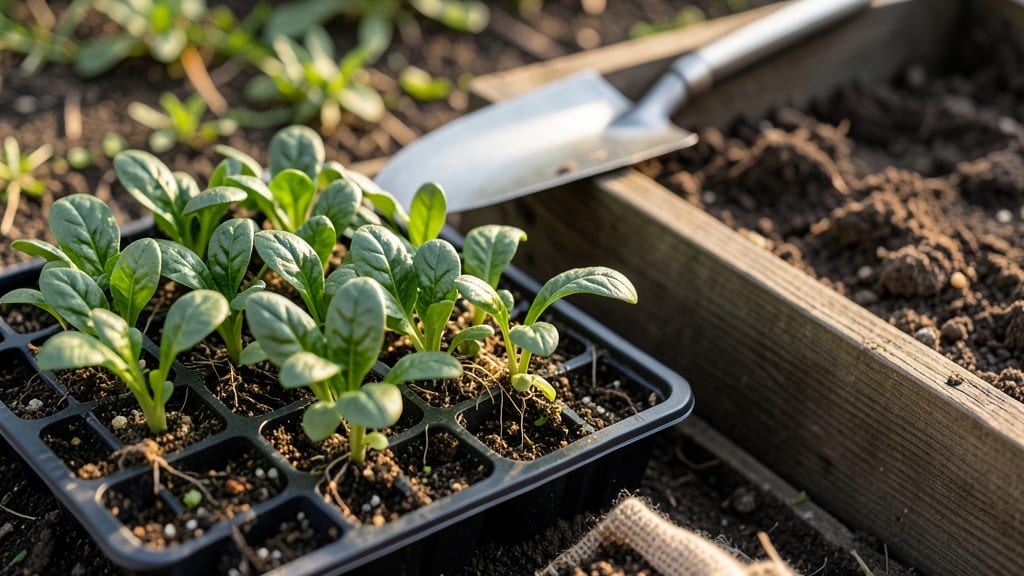
Timing your fall spinach planting in Zone 6 isn’t just about throwing seeds in the dirt—it’s about catching that sweet spot between sweltering summer and early frost. 🥬 Too early, and your greens bolt into bitter flowers; too late, and you miss out on crisp, tender leaves.
The secret lies in soil temperatures between 50-65°F and knowing your first frost date.
If you’ve ever stared at your garden calendar wondering, "When exactly should I plant?"—this is your answer. We’re talking mid-August to early September for the perfect harvest window, but there’s more to it than just dates.
Soil prep, variety choices, and even how you protect your plants from frost can make the difference between a bountiful harvest and a sad, wilted disappointment.
Let’s break it down: why these dates work, how to adjust for your specific Zone 6 microclimate, and the easy tricks to extend your spinach season well past the first frost.
Whether you’re a first-time gardener or a seasoned green thumb, these insights will help you grow spinach that’s sweeter, healthier, and ready to harvest just when you need it.
Ready to turn your garden into a leafy green machine? Grab your gloves—we’re diving into the details that’ll have your spinach thriving all fall long.
Optimal soil temperature and planting windows for fall spinach in Zone 6
Getting your fall spinach timing right in Zone 6 means avoiding the two biggest pitfalls: bitter leaves from heat stress and wasted seeds from frost damage. The sweet spot?
Plant when soil temperatures sit between 50°F and 65°F—this range prevents bolting (flowering) while giving plants enough time to mature before winter. In Zone 6, this typically translates to late July through early September, but your exact window depends on local frost dates and microclimates.
For most of Zone 6, the first frost arrives around mid-October, with a hard frost hitting by early November. To ensure a harvest before frost, aim to plant 6-8 weeks before your average first frost date.
For example, if your frost date is October 15, your last planting window would be early to mid-August. Northern Zone 6 (like 6a) may need to start earlier, while southern areas (like 6b) can push planting into early September.
Here’s how to calculate your exact planting window: Subtract 45-60 days (spinach’s harvest time) from your first frost date. Add a 2-week buffer for slower-growing varieties.
For instance, if frost hits October 15, count backward: October 15 - 60 days = August 15 (latest planting for fast varieties like 'Tyee'), while 'Bloomsdale Long Standing' might need planting by August 1.
Soil temperature is just as critical as frost dates. Spinach seeds won’t germinate well in soil above 70°F, which is why planting in mid-to-late summer (July) can be risky—especially in Zone 6’s hotter southern areas.
If you’re planting in July, opt for shade cloth or a north-facing bed to keep soil cool. Conversely, planting too late (after September 1) risks frost damage before harvest, though cold-hardy varieties like 'Winter Giant' can tolerate light frosts.
Pro tip: Use a black plastic mulch to warm soil in early planting windows (July) or straw mulch to insulate roots in late plantings (September). Both tricks help regulate soil temperature and improve germination rates.
For container growing, use self-watering pots to maintain moisture—spinach hates drying out, which triggers bolting faster than frost.
If you’re in northern Zone 6 (6a), where frosts arrive earlier, prioritize early August plantings and use row covers to extend harvests into November. In southern Zone 6 (6b), you can push plantings into early September, but monitor nighttime temperatures.
When temps drop below 40°F, spinach growth slows, and leaves may turn tough. A lightweight frost cloth can add 4–6°F protection, buying you 1–2 extra weeks of harvest time.
For best results, pair your planting window with soil prep 2 weeks ahead. Work in 2–3 inches of compost to boost nitrogen (spinach is a heavy feeder) and rake the bed smooth to prevent seedling crowding.
Sow seeds ½ inch deep, 1 inch apart, and thin seedlings to 4–6 inches apart once they’re 2 inches tall. This spacing prevents disease spread and ensures even sunlight exposure for all plants.
Remember: Spinach is a cool-season crop, and its sweetest flavor develops in cooler fall temperatures. Planting too early (June/July) often leads to bolting (flowering), while planting too late (October) risks frost damage. Sticking to the 50–6
Optimal soil temperature and planting windows for fall spinach in Zone 6
In Zone 6, fall spinach loves cool soil temperatures between 50-65°F—too warm, and your plants bolt (go to seed); too cold, and growth slows. The key is planting 6-8 weeks before your first frost date (typically around October 15 in Zone 6).
This gives spinach enough time to mature before winter sets in.
For northern Zone 6 (6a), aim to plant by late August to early September. Southern Zone 6 (6b) growers have a bit more flexibility, with early September to mid-September being ideal.
Always check your local frost date averages—a hard frost (below 25°F) will kill spinach, so plan accordingly.
🌱 Zone 6 Fall Spinach Planting Guide
| Stage | Action | Notes |
|---|---|---|
| Soil Prep | Test soil pH (ideal: 6.5-7.0) | Add compost for nutrients |
| Planting Window | Zone 6a: Late Aug-Sept | 6b: Early-Sept-Mid-Sept |
| Soil Temp | 50-65°F (ideal) | Use a soil thermometer |
| Last Planting Date | 6-8 weeks before frost | Typically by Sept 15 |
| Harvest Ready | 45-60 days after planting | Pick outer leaves first |
If you're unsure about your exact frost date, use the USDA Plant Hardiness Zone Map or local extension service data. For example, in Chicago (Zone 6a), the average first frost is October 14, so your last planting date would be around August 25.
In Raleigh (Zone 6b), with a later frost date (October 28), you can plant until September 10.
Pro tip: Direct-sow seeds ½ inch deep and 1 inch apart in rows spaced 12 inches apart. Thin seedlings to 4 inches apart once they’re 2-3 inches tall. This spacing prevents overcrowding, which leads to disease and poor growth.
For a longer harvest window, consider planting a second batch in late September—just be prepared to use row covers if frost threatens. Cold-hardy varieties like 'Bloomsdale Long Standing' or 'Tyee' are great choices for Zone 6’s cooler fall weather.
Remember, soil temperature matters more than air temperature. Even if the air is cool, if the soil is still warm (above 70°F), your spinach will bolt. Test your soil with a thermometer before planting to avoid this common mistake.