
Plants
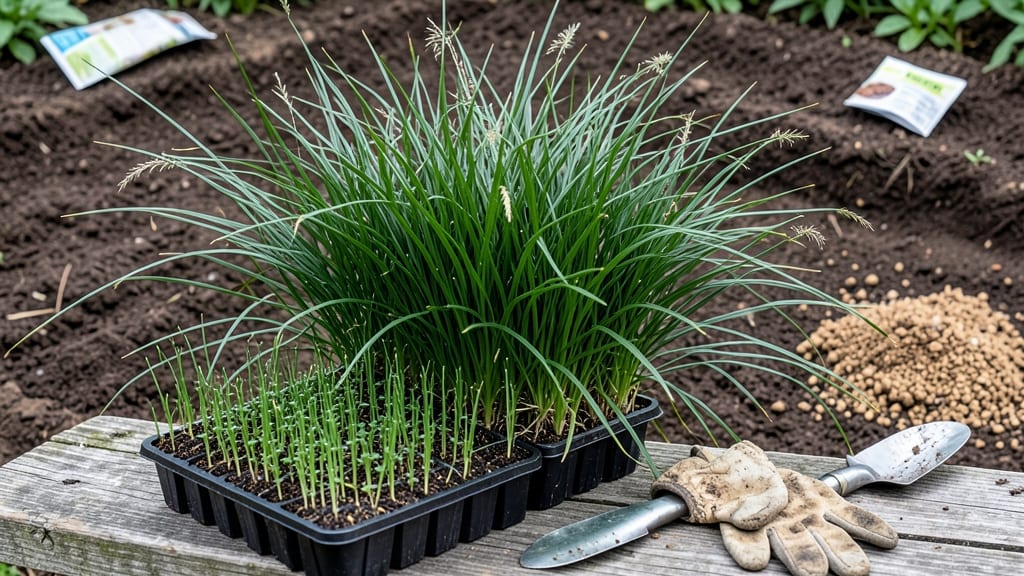
If you've ever watched your North Texas lawn struggle under the scorching summer sun or freeze in winter, you know timing is everything when planting fescue 🌱. The difference between a lush, green carpet and patchy disappointment often comes down to those critical weeks before the first frost.
For gardeners in USDA Zone 8a, the ideal window to plant fescue stretches from early September through October - a sweet spot where soil stays warm enough for roots to establish but temperatures haven't plunged yet.
This fall timing gives your grass a head start before winter dormancy sets in, ensuring it comes back stronger next spring.
But here's the catch: North Texas' unpredictable weather patterns mean you can't just follow a calendar. We'll break down exactly how to read your local microclimate signals, from soil temperature tests to moisture levels, so you can plant with confidence.
Let's make sure your fescue gets off to the right start.
The right preparation transforms your lawn from a seasonal struggle to a year-round asset. We'll cover soil prep secrets that work specifically for North Texas' clay-heavy soils and drought conditions, plus the best fescue varieties that thrive in our heat and humidity.
Your perfect lawn begins with these simple but powerful steps.
Optimal planting months for fescue in North Texas and why they matter
North Texas’s USDA Zones 7b-8a create a unique challenge for fescue planting—too early and the 100°F+ summer heat stresses seedlings, while late planting risks winter frosts damaging tender roots. The ideal window balances these extremes, giving your lawn the best chance to thrive.
For maximum root establishment, aim to plant 4-6 weeks before the first frost (typically early September to October). This timing lets seedlings harden off before winter while avoiding summer’s heat stress.
A secondary window in March-April works for repairs or overseeding, but results are less reliable due to spring’s unpredictable weather.
North Texas’s microclimates further complicate timing. Dallas and Fort Worth (Zone 8a) can handle slightly later plantings, while Wichita Falls (Zone 7b) benefits from earlier starts. Always check your local frost dates—a 10°F drop can kill young fescue in just 24 hours.
Soil temperature is the hidden factor most gardeners overlook. Fescue germinates best when soil is between 60°F-75°F. In North Texas, this aligns with September’s cooling trend. Use a soil thermometer to confirm—if temps dip below 55°F, germination slows dramatically.
Pro tip: Seed depth matters. Plant fescue seeds ¼-inch deep—any deeper and they’ll struggle to break through the soil. Lightly rake the area after sowing to ensure consistent contact with moisture and warmth.
| Planting Window | Soil Temp Range | Key Benefit | North Texas Cities |
|---|---|---|---|
| Early September - October | 60°F - 75°F | Best root growth before winter | Dallas, Fort Worth, Austin |
| March - April | 55°F - 65°F | Secondary growth window | Wichita Falls, Abilene |
| August (high risk) | 80°F+ | Only for shade areas | All regions (with caution) |
If you’re planting in August, limit it to shaded areas where temps stay below 85°F. Use shade cloth for extra protection, and expect slower germination (up to 3-4 weeks vs. 2 weeks in fall). Morning watering is critical to prevent seed desiccation.
For overseeding, late fall (November) can work if your lawn is established, but avoid it if frost is forecasted within 2 weeks. New seedlings won’t survive the cold. Always mow high (3-4 inches) before overseeding to protect young grass from winter burn.
Remember: North Texas’s clay soil drains poorly, which can delay germination. Amend with compost or sand to improve aeration. A pre-emergent herbicide applied 2 weeks before planting can prevent weeds from competing with your fescue.
Timing isn’t just about months—it’s about weather patterns. Check the 7-day forecast for consistent rainfall or plan for drip irrigation. Fescue needs 1-1.5 inches of water weekly during establishment, but overwatering causes disease. Balance is key.
By planting in the optimal window, you’ll see thicker, greener grass by next spring—proof that patience and preparation pay off in North Texas’s tough climate. 🌱
Optimal planting months for fescue in North Texas and why they matter
North Texas’s USDA Zones 7b-8a create a unique challenge for fescue growers. The region’s scorching summers and freezing winters demand precise timing to give seedlings the best chance. Planting too early exposes young grass to heat stress, while late planting risks winter dieback before roots establish.
My recommended planting windows are September-October for fall and March-April for spring. These periods align with soil temperatures between 60°F-75°F, ideal for seed germination and root development. Dallas and Fort Worth’s microclimates may shift timing by 1-2 weeks, so always check local forecasts.
| Planting Window | Soil Temp (°F) | Key Conditions | North Texas Notes |
|---|---|---|---|
| Early September - October | 60°F-75°F | Cool temps, moderate rain | Best window for deep root growth before winter |
| March - April | 65°F-70°F | Warming soil, spring rains | Avoid late April planting—summer heat arrives fast |
| August (late) | 80°F+ | High heat, low humidity | Risky—only for shade areas or established lawns |
The September-October window is my top recommendation because it allows 4-6 weeks of growth before the first frost (Nov 15). This gives roots time to establish 3-4 inches deep, making your lawn far more resilient to North Texas’s winter freezes and summer droughts.
I’ve seen lawns planted in October thrive through December’s occasional hard freezes.
For spring planting (March-April), focus on early March before temperatures consistently exceed 80°F. Late April plantings often result in heat stress within weeks, stunting growth. If you miss spring, don’t despair—November can still work if you use a winter blanket to protect young seedlings from early frosts.
North Texas’s urban vs. rural divide also affects timing. Urban areas like Dallas have heat islands that can push planting back by 1-2 weeks, while rural zones like Wichita Falls may tolerate slightly earlier plantings.
Always test your soil temperature with a soil thermometer—aim for 65°F+ for consistent germination.
Pro tip: Mark your calendar for September 15th as your absolute deadline for fall planting. After that, summer’s residual heat will slow germination, and your lawn may struggle to establish before winter. For spring, April 1st is your cutoff—any later, and you’re fighting the heat instead of the grass.