
Flowers
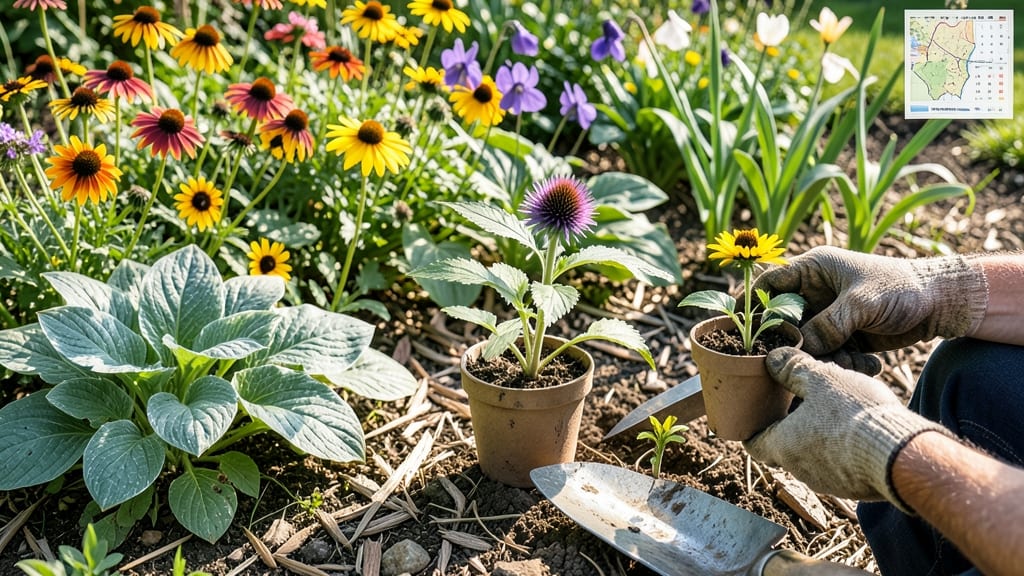
Timing your flowers planting in Vermont isn’t just about following a calendar—it’s about outsmarting the unpredictable 4b-6a climate that can turn a beautiful garden into a frost-damaged mess if you’re not careful.
I’ve learned the hard way that waiting until May 15th for every variety means missing the perfect window for cold-hardy pansies or tulips that thrive when planted in fall.
Vermont’s frost dates shift yearly, but with the right strategy, you can extend your bloom season from early spring to late summer.
In this guide, I’ll break down the exact planting windows for annuals, perennials, and bulbs—plus how to use Vermont’s frost calculator to avoid costly mistakes. Whether you’re a first-time gardener or a seasoned pro, these tips will help you grow vibrant flowers that outlast the unpredictable New England weather.
Ready to turn your garden into a year-round showstopper? Let’s get started with the perfect timing for every type of flower in your zone.
Vermont frost date zones: best planting months by hardiness Zone
Vermont’s USDA hardiness zones 4b-6a create a unique challenge for gardeners, with last frost dates ranging from early May in southern Vermont to late May in the northern mountains. Unlike milder climates, Vermont’s short growing season (just 120-150 frost-free days) demands precise timing to maximize bloom potential.
Understanding your zone’s average frost dates is the first step to avoiding frost damage while ensuring flowers establish strong roots before winter.
For example, Zone 4b (northern Vermont) has a last frost date around May 15, while Zone 6a (southern Vermont) can see frost-free soil as early as April 25. This two-week difference can mean the difference between thriving annuals and wilted seedlings.
The Vermont Frost Calculator from the University of Vermont Extension is your best tool for pinpointing local frost dates—just input your town to get hyper-local planting windows.
🌱 Vermont Planting Timeline by Zone
| Zone | Last Frost Date | Ideal Planting Window | Soil Temp for Planting |
|---|---|---|---|
| 4b (Northern VT) | May 15 | May 1–15 (after frost) | 50°F+ |
| 5a (Central VT) | May 1 | April 25–May 10 | 45°F+ |
| 6a (Southern VT) | April 25 | April 15–April 30 | 40°F+ |
*Use a soil thermometer to confirm—cold soil delays root growth!
Annual flowers like marigolds and zinnias can handle Vermont’s late spring frosts if planted after May 1, but tender varieties such as petunias and geraniums need to wait until soil temperatures reach 55°F to avoid stunted growth.
Perennials, however, benefit from early spring planting (March–April) to establish roots before summer heat arrives. The key is balancing frost risk with soil warmth—a tricky act in Vermont’s variable climate.
Don’t overlook fall planting, either! Many cold-hardy annuals (like pansies and snapdragons) thrive when sown in late August. These flowers germinate in cool soil and bloom through fall and early spring, giving you extra color during Vermont’s shorter summer.
Just be sure to plant 6–8 weeks before your first frost to allow roots to establish before winter sets in.
Microclimates add another layer of complexity. Valleys and low-lying areas often experience later frosts due to cold air settling, while south-facing slopes warm up faster. If you’re in a microclimate hotspot, consider using row covers or cold frames to extend your planting window by 2–3 weeks.
For example, Burlington’s lake-effect microclimate can delay frost by up to 10 days compared to inland areas.
For bulbs like tulips and daffodils, timing is critical but different. Plant them in fall (September–October) so roots establish before winter, then they’ll burst into bloom in early spring when other flowers are still dormant.
The soil temperature should be below 60°F for bulb planting—any warmer, and they’ll sprout too early and freeze. Use a bulb planter or trowel to place them 6–8 inches deep, depending on the bulb size.
Pro tip: Keep a gardening journal for at least 3 years to track your local frost dates. Vermont’s climate shifts yearly—what was safe to plant on May 1 one year might freeze in 2024.
By noting actual frost dates (not just averages), you’ll build a personalized planting calendar that outperforms generic zone guides. Share your data with neighbors to create a community frost-tracking network—it’s how Vermont gardeners thrive!
Finally, remember that succession planting is your secret weapon. Instead of planting all your annuals at once, stagger plantings every 2–3 weeks from May through July. This ensures a continuous bloom and minimizes the risk of losing your entire garden to a late frost.
For example, plant half your marigolds in early May, another quarter in late May, and the final quarter in June—you’ll have flowers from June through October!
🌿
Top flower varieties in Vermont: planting schedule by bloom time
Vermont’s diverse climate lets you grow annuals that bloom all summer alongside hardy perennials that return year after year. The key? Planting at the right time for each variety’s chill requirements and bloom cycle.
For example, pansies and snapdragons thrive when planted in early spring or late summer, while coneflowers need a late spring start to establish roots before summer heat.
Bulbs like tulips and daffodils are different—they need fall planting to develop strong roots over winter. In USDA Zone 4b-5a (most of Vermont), aim to plant them by October 15th to avoid winter heaving.
Meanwhile, sunflowers and black-eyed Susans can handle late spring plantings (after May 15th) because they grow quickly.
🌱 Cold-hardy annuals: Pansies, Violas, Sweet Alyssum
☀️ Heat-loving perennials: Coneflowers, Black-Eyed Susans, Daylilies
🌻 Late-season bloomers: Sunflowers, Zinnias, Marigolds
🌷 Bulbs & biennials: Tulips, Daffodils, Foxgloves
For annuals like petunias, wait until after the last frost date (usually May 10th-20th in most of Vermont) to plant. But don’t wait too long—tender varieties like geraniums and impatiens need 6-8 weeks of warm soil to bloom.
Pro tip: Use biodegradable pots to transplant seedlings later if early spring is still chilly.
Perennials like hostas and peonies can go in the ground as early as April in Zone 5, but delicate roots of black-eyed Susans prefer warmer soil.
Test soil temperature with a thermometer—aim for 50°F+ before planting. If your garden stays cool, opt for shade-tolerant perennials like heucheras or astilbes.
Don’t overlook fall planting for spring blooms. Bulbs like crocuses can handle late September plantings in Zone 4, while fall-planted pansies will flower until snowfall. Use a planting calendar (like Vermont’s Frost Freeze Forecast) to track first frost dates—typically October 10th-20th—and adjust timing accordingly.
For container gardening, start petunias and geraniums indoors in March under grow lights, then transplant after May 15th. If you’re in northern Vermont (Zone 4b), prioritize cold-resistant varieties like Russian sage or hardy geraniums.
In southern Vermont (Zone 5a), you can push the envelope with tropical-looking cannas or dahlias—just be ready to dig them up before frost.