
Trees
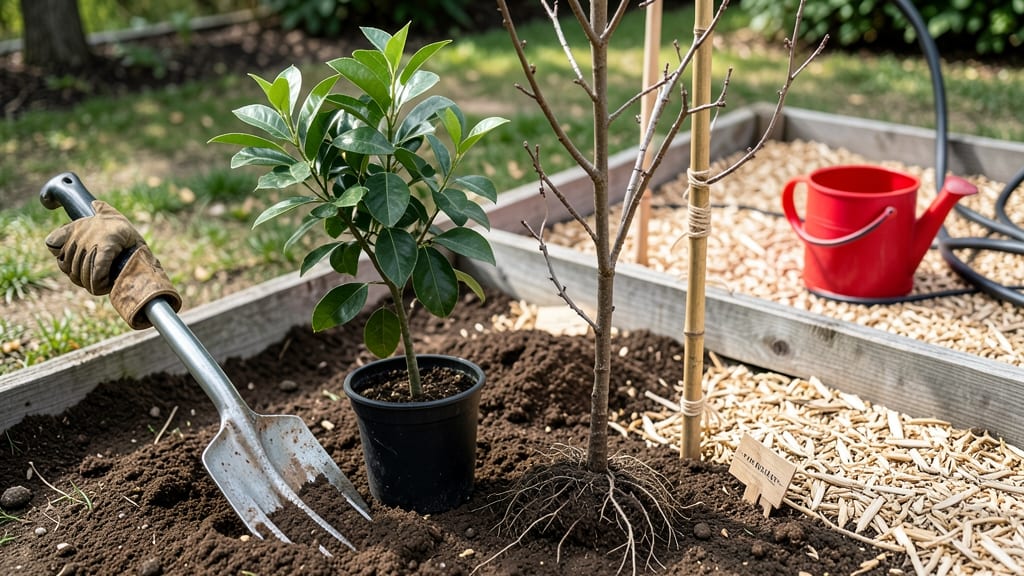
Planting fruit trees at the wrong time in New Zealand can mean the difference between a thriving orchard and years of disappointment.
Whether you're in the subtropical warmth of Northland or the cooler climates of Central Otago, knowing the best months to plant is the key to strong root development and bountiful harvests.
I’ve spent years watching fruit trees take root across different regions, and what I’ve learned is that timing isn’t one-size-fits-all. For example, citrus and avocados in Northland need that spring warmth, while apples and pears in Canterbury thrive when planted in early autumn.
The secret lies in understanding your local microclimate—because even a few degrees can change everything.
If you’ve ever wondered why some fruit trees struggle while others flourish, it’s often about when they hit the ground. Let me break down the perfect planting windows for your region, so you can set your trees up for success from day one. Ready to dig in?
From soil prep to frost risks, we’ll cover everything you need to know to make sure your fruit trees grow strong and productive. Whether you’re a first-time gardener or a seasoned grower, these insights will help you avoid common mistakes and get the harvest you’ve been dreaming of.
Best planting months for fruit trees by New Zealand region
New Zealand’s diverse climate means planting fruit trees at the right time varies dramatically between regions. In the North Island, warmer temperatures allow earlier planting, while South Island gardeners often wait until late spring to avoid frost damage.
Even within regions, microclimates—like coastal warmth or inland cold—can shift ideal planting windows by weeks.
For deciduous fruit trees like apples, pears, and stone fruits, aim to plant when soil temperatures reach 10°C (50°F) and stay consistent. In subtropical areas (Northland, Bay of Islands), citrus, avocados, and mangoes thrive when planted in late winter or early spring to align with natural rainfall patterns.
Here’s a breakdown of the best planting months for New Zealand’s key regions, tailored to both cooler-climate and subtropical fruit trees:
| Region | Best Planting Months | Key Considerations |
|---|---|---|
| Northland & Bay of Islands (Subtropical) | August–September | Avoid summer planting; high humidity increases fungal risks. |
| Auckland & Waikato (Warm Temperate) | September–October | Soil warms faster; ideal for apples, plums, and citrus. |
| Wellington & Gisborne (Cooler Temperate) | October–November | Wait for last frost (usually late September) to plant peaches and nectarines. |
| Canterbury & Otago (Cool Continental) | November–December | Frost risk extends into November; choose hardy varieties like apples and cherries. |
| Nelson & Marlborough (Mild Coastal) | September–October | Moderate climate suits stone fruits and berries year-round. |
In Northland, where summers are long and winters mild, subtropical fruit trees like avocados and mangoes can even be planted in late winter (July–August) to establish roots before the wet season.
Meanwhile, South Island gardeners in Canterbury or Otago should delay until November to avoid late frosts that can kill young trees.
One critical rule applies everywhere: plant bare-root trees in their dormant season. For most deciduous varieties, this means winter or early spring, while evergreens (like citrus) can handle container planting year-round but thrive when moved in spring.
Soil preparation is just as important as timing. In clay-heavy soils (common in Canterbury), add gypsum or compost months before planting to improve drainage. In sandy soils (like Northland’s), mix in organic matter to retain moisture for young roots.
Pro tip: Use a soil thermometer to check temperatures. Aim for 10–15°C (50–60°F) at a 10cm depth—this signals ideal planting conditions for most fruit trees in New Zealand.
Finally, avoid planting in summer unless you’re in a subtropical microclimate. High temperatures and low soil moisture stress young trees, leading to poor establishment. Instead, focus on spring planting for the best balance of warm soil and moderate rainfall.
How to choose the perfect planting window for your fruit tree species
New Zealand’s diverse climate means timing matters for each fruit tree species. Deciduous trees like apples and pears thrive when planted in autumn or early spring, while subtropical varieties such as avocados and mangoes need warm soil in spring.
Understanding dormancy periods and frost risks is key to success.
For stone fruits like peaches and plums, late winter to early spring planting gives roots time to establish before summer heat. Meanwhile, citrus trees should go in early spring when frost danger has passed. Each species has unique needs—let’s break it down.
🌱
Best planted in autumn (March-May) or early spring (August-September) to avoid frost stress.
Plant in late winter (July-August) for root establishment before summer blooming.
Ideal for early spring (September-October) after last frost risk in subtropical zones.
Plant in spring (September-November) when soil warms above 15°C.
Best in autumn (March-April) or early spring (August-September) for cooler climates.
Frost is the biggest enemy for young fruit trees. Apples and pears planted in autumn develop roots before winter dormancy, while stone fruits need chilling hours to break dormancy—plant too late, and they may bloom too early, risking frost damage.
In subtropical regions like Northland, avocados and mangoes can be planted year-round, but spring is ideal for root establishment. Always check your local frost-free date—this determines whether you can plant citrus or subtropical varieties safely.
Pro tip: Bare-root trees should be planted in autumn or winter when they’re dormant, while container-grown trees can go in year-round—just avoid extreme heat or frost. 🌿