
Planting
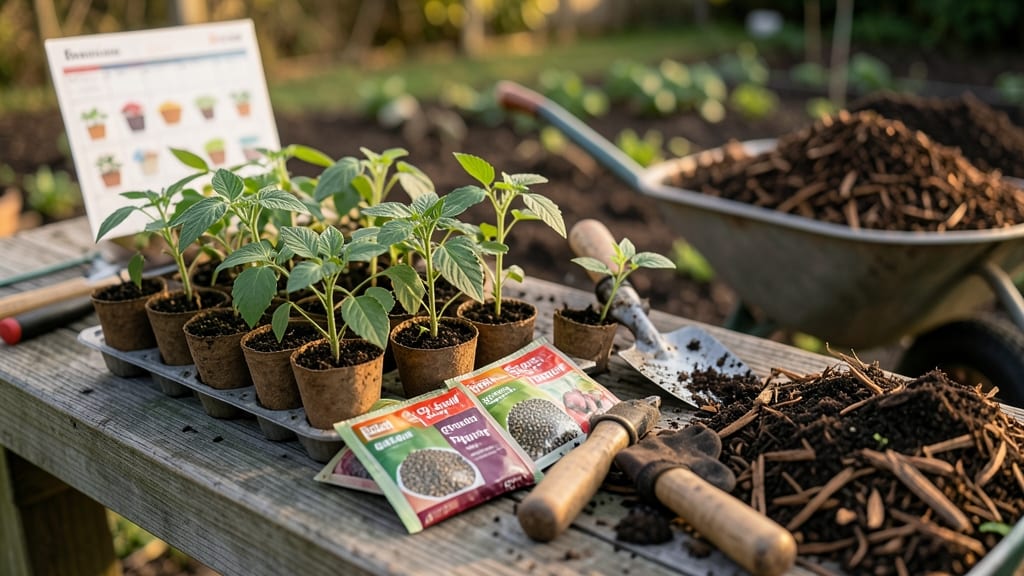
Kentucky’s last frost dates by Zone: when to plant cool-season vs warm-season crops
Kentucky spans USDA Hardiness Zones 6a to 7b, meaning last frost dates vary dramatically—from late March in Western Kentucky to early May in the Appalachian Mountains. These dates aren’t just numbers; they’re the difference between a thriving garden and a failed harvest.
For example, cool-season crops like spinach and broccoli need to be planted 4-6 weeks before your last frost, while warm-season plants like tomatoes and peppers wait until after the danger of frost has passed.
Understanding your microclimate is key. Urban areas like Louisville often experience heat islands that delay frost, while rural Eastern Kentucky can have cooler nights that extend frost risks. Check local weather stations or use the National Weather Service frost date maps to pinpoint your exact window.
I’ve planted tomatoes in late April in Zone 7a only to see them nipped by a surprise frost—don’t make my mistake!
Here’s how Kentucky’s zones break down for planting:
| Zone | Avg. Last Frost | Cool-Season Planting Window | Warm-Season Planting Window | Example Crops |
|---|---|---|---|---|
| 6a (Eastern KY) | May 1-15 | March 15-April 15 | May 15-June 1 | Spinach, Kale, Peppers |
| 6b (Central KY) | April 20-May 5 | March 1-April 1 | May 1-April 30 | Broccoli, Lettuce, Tomatoes |
| 7a (Western KY) | April 1-15 | February 28-March 15 | April 15-May 15 | Radishes, Peas, Cucumbers |
| 7b (Far Western KY) | March 20-April 5 | February 15-March 1 | March 20-April 30 | Onions, Carrots, Eggplants |
For cool-season crops, think of your garden as a race against time. Plants like lettuce and peas can tolerate light frosts, but broccoli and cauliflower need consistent warmth.
I’ve found that planting spinach in late February in Zone 7a gives me a head start, but I always cover young seedlings with row fabric just in case.
The key is to start seeds indoors 6-8 weeks before your last frost date for warm-season crops like tomatoes and peppers, which need a long, warm season to mature.
Don’t overlook fall planting—it’s a gardener’s secret weapon. Many cool-season crops thrive when planted in late summer (August-September) for a harvest before winter. For example, kale and carrots often taste sweeter after a light frost.
In Zone 6a, I’ve successfully grown garlic planted in October for a summer harvest the following year. The trick is to time it so your plants mature 4-6 weeks before the first frost of fall.
Herbs like basil and cilantro are finicky about timing. Basil, for instance, bolts in heat, so I plant it in early May in Zone 7a and again in late August for a fall crop. Meanwhile, parsley and chives are perennials that handle Kentucky’s winters just fine—plant them in early spring or fall for year-round harvests. I’ve even seen chives pop up through snow in Eastern Kentucky!
If you’re new to gardening in Kentucky, don’t stress about perfection. Even experienced gardeners adjust their planting dates yearly based on weather patterns. For instance, the 2021 late frost in April caught many off guard, but it’s
Best planting calendar for Kentucky gardens: month-by-month guide for success
Kentucky gardeners enjoy a long growing season—typically from late March to early November—but timing matters. Whether you’re planting cool-season greens in spring or heat-loving tomatoes in summer, knowing the right window ensures success. Here’s my month-by-month breakdown tailored to Kentucky’s climate.
Start with early spring (March–April) for cool-season crops like lettuce and peas. These plants thrive in 50–60°F soil and can handle light frosts. Meanwhile, warm-season favorites like peppers and cucumbers wait until after the last frost (usually mid-April to early May, depending on your zone).
📅 Kentucky Planting Timeline
- March: Sow spinach, peas, and broccoli—soil should be 40–50°F.
- April: Plant lettuce, radishes, and carrots; start tomato/pepper indoors.
- May: Transplant warm-season crops after last frost (mid-May in most zones).
- June–July: Succession plant beans, squash, and herbs for continuous harvests.
- August: Begin fall crops like kale and beets—soil stays warm longer.
- September: Plant garlic and onions for next year; sow cool-season greens.
For urban gardeners in Louisville or rural areas in Eastern Kentucky, microclimates shift planting dates. Urban areas warm up faster, so you might plant tomatoes 1–2 weeks earlier than rural zones. Always check your local USDA zone (6a–7b) for precision.
Don’t overlook summer planting! July is perfect for heat-tolerant veggies like okra and sweet potatoes. In September, switch back to cool-season crops—they’ll thrive in the milder fall air. Mulch heavily to protect roots from early frosts in October.
Pro tip: Use row covers or cold frames to extend seasons. For example, I’ve successfully grown spinach into December by covering beds with lightweight fabric. Just remove it on warm days to prevent overheating.
Plan ahead for next year’s harvests by noting what worked (and what didn’t) in your garden journal. Adjust planting dates based on your observations—Kentucky’s weather is unpredictable, and flexibility is key!