
Planting
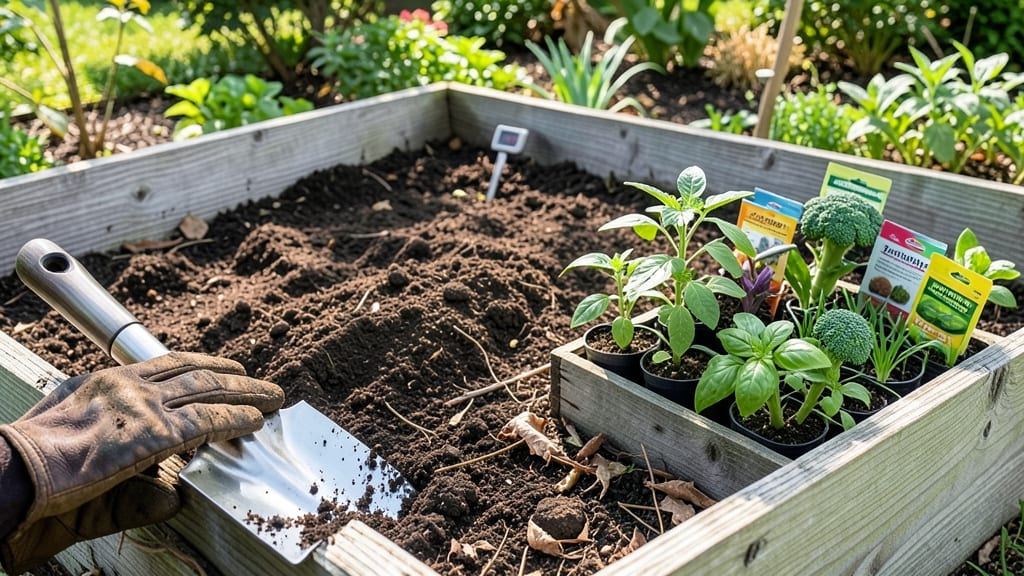
Timing your garden planting in Virginia can feel like solving a puzzle—one wrong move, and your 🌱 could freeze or wilt before it even takes root.
The key isn’t just knowing when to plant, but understanding how Virginia’s 6a-8a zones and microclimates (like the Piedmont’s dry heat or Tidewater’s humidity) change the game.
Whether you’re dreaming of juicy tomatoes or fragrant herbs, getting the frost dates right is your first step. Miss the March 15 last-frost window, and your spring crops might never recover.
But here’s the good news: with the right schedule, you can stretch your growing season from cool-season greens in February to fall harvests in October.
I’ll break down exactly when to plant everything from cool-loving lettuce to heat-craving peppers, plus how to adjust for Virginia’s unpredictable weather. No more guesswork—just a foolproof timeline tailored to your zone.
Ready to turn your garden into a thriving oasis? Let’s dive into the exact deadlines you need to know.
Virginia planting zones and frost dates: your exact timeline
Virginia’s USDA hardiness zones range from 5b in the mountains to 8a along the coast, creating dramatic differences in planting windows.
The last spring frost typically arrives between March 15 (mountains) and April 15 (coastal areas), while the first fall frost hits anywhere from October 15 (Piedmont) to November 15 (Tidewater). These dates are your garden’s non-negotiable deadlines.
For cool-season crops like lettuce and peas, you’ll want to plant 4-6 weeks before your area’s last frost date. Meanwhile, warm-season plants such as tomatoes and peppers need to wait until 2-3 weeks after the frost danger has passed.
The Shenandoah Valley, for example, has a shorter growing season than Norfolk’s coastal plain, so timing is everything.
Microclimates play a huge role—urban areas often warm up faster than rural spots, and south-facing slopes can be 2-3 weeks earlier than frost-prone valleys. Always check local frost date maps from the Virginia Cooperative Extension for your exact location.
🌱
Virginia Planting Zones: Frost Dates & Planting Windows
| Zone | Last Frost | First Frost | Cool-Season Window | Warm-Season Window |
|---|---|---|---|---|
| 5b (Mountains) | March 15 | October 30 | Feb 15 - Mar 15 | May 1 - June 15 |
| 6a (Piedmont) | March 25 | October 15 | Feb 20 - Apr 1 | Apr 15 - June 30 |
| 7a (Coastal Plain) | April 10 | November 5 | Mar 1 - Apr 15 | Apr 20 - July 15 |
| 8a (Tidewater) | April 15 | November 15 | Mar 15 - Apr 30 | May 1 - August 1 |
Pro Tip: Use these dates as guidelines—always monitor local forecasts for late frosts!
In Zone 5b, where winters are harsh, you’ll need to start cool-season crops indoors by February to maximize your harvest. Meanwhile, Zone 8a gardeners can enjoy longer growing seasons and even plant some fall crops like spinach as late as September.
For perennial plants, timing matters too—spring-blooming bulbs like daffodils should be planted in fall (October), while summer-blooming perennials like coneflowers can wait until early spring. Always check the specific plant’s hardiness to avoid frost damage.
If you’re unsure about your exact zone, use the USDA Plant Hardiness Zone Map and cross-reference with Virginia’s microclimate data. The Virginia Tech Extension offers free soil tests and localized advice to fine-tune your schedule.
🌡️
Remember, succession planting is key in Virginia’s shorter seasons. For example, bush beans can be planted in three successive batches—once in early May, again in June, and a final time in July—to extend your harvest until frost.
For container gardening, you can push boundaries by moving pots indoors during late frosts or using row covers to protect tender plants. This flexibility lets you grow tomatoes in Zone 6a even if the season feels short.
📅
Best planting schedule by crop type in Virginia gardens
Virginia’s diverse microclimates mean your tomatoes in the Piedmont thrive on a different schedule than your peppers in Tidewater. Cool-season crops like lettuce and spinach can handle February soil temps, while warm-season favorites like basil and cucumbers need to wait until April or later.
Here’s my month-by-month breakdown for Virginia’s most popular plants.
For cool-season vegetables, I start seeds indoors in February (e.g., broccoli, kale) and transplant them outdoors 4-6 weeks before your last frost date.
In Zone 7a, that’s usually by mid-March, but Zone 5b gardeners should wait until late April. Direct-sow hardy greens like radishes and peas as early as February in milder zones.
| Crop Type | Best Planting Months | Notes for Virginia |
|---|---|---|
| Cool-Season Veggies | Feb-Apr, Aug-Sept | Lettuce, spinach, broccoli thrive in spring/fall; avoid summer heat. |
| Warm-Season Veggies | Apr-May, July-Aug | Tomatoes, peppers, cucumbers need soil >60°F; use row covers early. |
| Flowers | Mar-May, July-Sept | Marigolds (Mar) and zinnias (May) bloom all season; deadhead for more flowers. |
| Herbs | Mar-Apr, July | Basil hates frost; start indoors in Mar; cilantro bolts in heat. |
| Perennials | Mar-Apr | Plant daylilies, lavender in early spring for established roots before summer. |
Warm-season crops are trickier in Virginia’s unpredictable spring. I always start tomato and pepper seeds indoors by March 1 to give them a head start. Transplant them outdoors 2-3 weeks after your last frost date—usually mid-April in Zone 7a but May in Zone 5b.
For container gardening, warm-season plants like basil and chili peppers can be planted 1-2 weeks later since pots warm up faster.
Don’t overlook fall planting! Many Virginia gardeners forget that August-September is prime time for cool-season crops. I sow spinach and radishes in late August for a harvest before frost.
Even broccoli and cauliflower can be direct-sown in September in Zone 7a and earlier for cooler zones. Use row covers to extend your fall harvest by 2-3 weeks.
For flowers, I prioritize marigolds and zinnias because they’re heat-tolerant and disease-resistant.
Sow marigold seeds directly in March for early blooms, while zinnias can wait until May for a longer flowering season. Herbs like basil and cilantro need special attention: Basil bolts in heat, so I succession-plant it every 2 weeks from May-July, while cilantro prefers cool weather and does best in spring or fall.
Pro tip: Use Virginia Cooperative Extension’s frost date map to pinpoint your exact last frost date. For example, Richmond (Zone 7b) has an average last frost of April 15, while Roanoke (Zone 6b) waits until May 1.
Adjust your schedule accordingly to avoid frost damage to tender plants like eggplants and squash.