
Plants
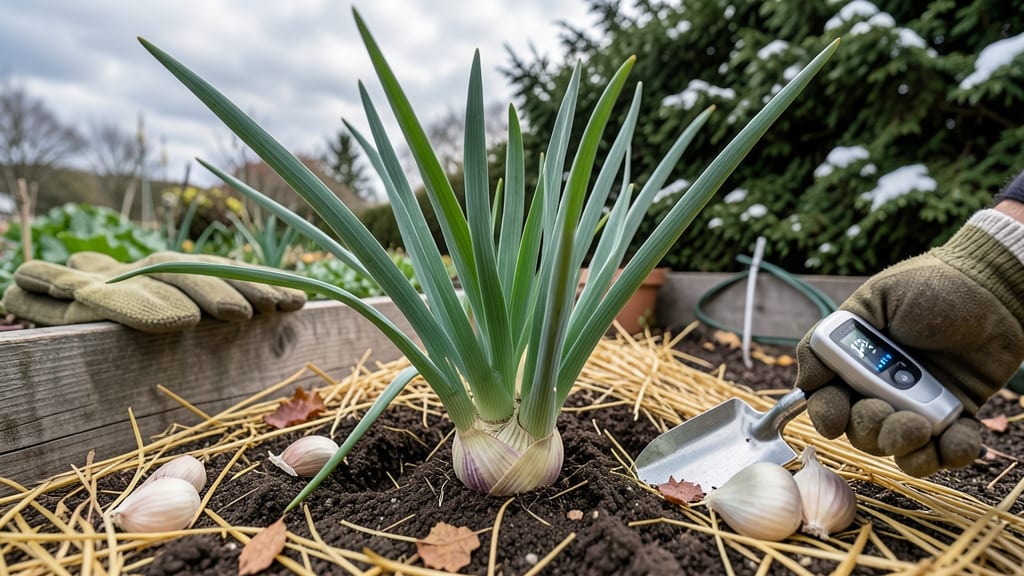
Timing garlic 🧄 planting in Connecticut isn't just about the calendar—it's about understanding how chill hours and frost dates work together to give you those plump, flavorful bulbs you dream about.
Get it wrong, and you might end up with stunted growth or worse, a total flop before harvest season even arrives.
Most gardeners in USDA Zone 6a know fall is the magic window, but the real secret lies in planting 4-6 weeks before the ground freezes—typically between October and November. This gives your garlic the 300-1,000 chill hours it needs to develop properly, even through Connecticut's cold winters.
Whether you're a seasoned gardener or just starting out, nailing this timing means fewer headaches and more rewards when harvest rolls around in July or August.
I'll walk you through exactly how to sync your planting with Connecticut's climate, so you can avoid common mistakes and set yourself up for success.
From soil prep to spacing, we'll cover everything you need to know to grow garlic that's the envy of every farmer's market. Let's get those cloves in the ground the right way—no guesswork, just results.
Connecticut garlic planting dates: chill-hours breakdown by variety
Connecticut’s USDA Zone 6a climate demands precision when planting garlic—timing is everything to ensure those chill-hours (300–1,000 hours below 40°F) trigger bulb formation. Most varieties need 6–8 weeks before the ground freezes, landing you in October or early November for peak success.
Hardneck varieties (like Music or German Red) thrive with 600–800 chill-hours, while softnecks (such as Silverskin) tolerate 300–500 hours. Connecticut’s last-frost date (mid-November) sets your deadline—but planting too late risks stunted growth.
Pro Tip: Use a garlic planting calculator (like the University of Connecticut Extension tool) to input your zip code for exact dates. For example, Hartford’s optimal window is October 15–November 1, while coastal areas like New London can extend to November 15.
| Variety Type | Chill-Hours Needed | Best Planting Window | Connecticut Notes |
|---|---|---|---|
| Hardneck (e.g., Rocambole, Porcelain) | 600–800 hours | October 1–November 1 | Best for scape harvests; needs deep freeze. |
| Softneck (e.g., Silverskin, Artichoke) | 300–500 hours | October 15–November 15 | Stores longer; tolerates milder winters. |
| Elephant (e.g., German White) | 800–1,000 hours | October 1–October 15 | Large bulbs; plant earliest in CT. |
Connecticut’s microclimates complicate things. Inland areas (like Enfield) freeze earlier, while Long Island Sound regions stay warmer. Adjust your timeline by 1–2 weeks if you’re near the coast—plant later to avoid winter heaving.
Soil temperature is your final checkpoint. Use a soil thermometer to confirm 40–50°F at planting depth (2–3 inches). Cold soil slows root growth, so wait until mid-October if early planting risks frost.
Missed the fall window? Spring planting is possible in Connecticut, but yields are 50% smaller. If you try it, use softneck varieties and plant in March–April for a summer harvest—just don’t expect scapes!
Track your local frost dates using the National Weather Service or Old Farmer’s Almanac. Aim to plant 4–6 weeks before the first hard frost (28°F) to give roots time to establish before winter dormancy.
For organic gardeners, amend soil with composted manure or worm castings before planting. Connecticut’s clay-heavy soils benefit from sand or perlite to improve drainage—critical for preventing rot in wet winters.
Save a few bulbs from your harvest for next year’s planting! Organically grown garlic performs best when planted from last year’s seed stock, ensuring stronger genetic adaptation to Connecticut’s climate.
Connecticut garlic planting dates: chill-hours breakdown by variety
Connecticut’s USDA Zone 6a climate demands precision when planting garlic—chill-hours (300–1,000 hours below 40°F) are the secret to plump bulbs. Hardneck varieties like ‘German Red’ need 600+ chill-hours, while softnecks like ‘Silverskin’ thrive with 300–400 hours.
Planting too early or late disrupts this balance, risking poor yields or frost damage.
Your planting window hinges on Connecticut’s last average frost date (mid-November). Aim to plant 4–6 weeks before the ground freezes—typically late October to early November.
This ensures roots establish before winter dormancy. For example, if your first frost hits November 15, plant by October 15 for ideal results.
🌱
| Variety Type | Chill-Hours Needed | Best Planting Window | Connecticut Notes |
|---|---|---|---|
| Hardneck (e.g., 'German Red') | 600–1,000 hours | Late Oct–early Nov | Best for cold climates; produces scapes |
| Softneck (e.g., 'Silverskin') | 300–400 hours | Early Nov–mid-Dec | Stores longer; tolerates milder winters |
| Elephant Garlic | 400–600 hours | Late Oct–early Nov | Milder flavor; plant like hardnecks |
Connecticut’s variable microclimates (coastal vs inland) can shift chill-hours by 100+ hours. For example, New Haven’s coastal areas may get 200 fewer chill-hours than Hartford’s inland zones. Use a minimum-maximum thermometer to track your local chill-hours—or rely on 3-year averages from nearby weather stations.
Pro tip: If your area falls short on chill-hours, opt for ‘Artichoke’ or ‘Creole’ varieties, which adapt better to 300–400 hours. These still deliver bold flavor without sacrificing yield. Always source certified organic seeds from Connecticut-friendly nurseries like Johnny’s Selected Seeds or High Mowing Seeds.
Timing isn’t just about frost—it’s about soil temperature. Cloves won’t sprout until soil hits 40°F. Test your soil with a soil thermometer before planting; if it’s below 35°F, wait another week. Patience here prevents rot and poor germination.
🌿