
Plants
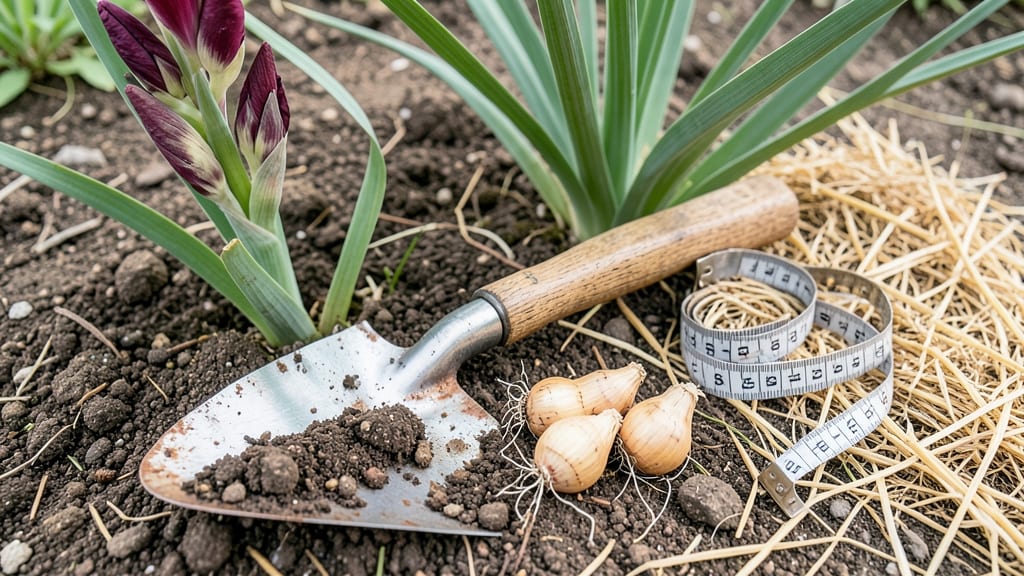
Timing your gladiolus bulb planting in California isn’t just about the calendar—it’s about catching that perfect moment when the soil warms enough to protect your 🌱 gladiolus from frost risk while giving them a head start on summer blooms. Whether you’re in coastal San Diego or inland Sacramento, getting this wrong can mean wilted dreams before the first bloom even appears.
Most gardeners assume spring planting is a one-size-fits-all solution, but California’s diverse microclimates demand a smarter approach. The key? Waiting until soil temperatures hit a steady 60°F—a threshold that varies by region and can shift your planting window by weeks.
I’ll show you exactly how to read your soil’s temperature cues and adjust for your specific zone, so you’re planting at the ideal moment for vibrant, frost-free growth.
What happens if you plant too early? In cooler coastal areas, your bulbs might rot before they even sprout. In hotter inland zones, rushing the process can lead to leggy, weak stems that flop under summer heat.
The solution? A 5-step checklist that accounts for elevation, bulb variety, and even your garden’s microclimate—no guesswork required.
Let’s dive into the exact soil temperature triggers, regional planting calendars, and pro tips to ensure your gladiolus bulbs go from dirt to dramatic summer blooms without a single frost-related setback. Ready to transform your garden?
California gladiolus planting calendar: soil temperature triggers by region
Gladiolus bulbs love California’s warm soil, but timing is everything. Unlike frost-sensitive plants, these bulbs thrive when soil temperatures hit 60°F or warmer. In most of California, this means late spring to early summer—but coastal areas and high elevations play by different rules.
I’ve planted gladiolus in Zone 9b (Los Angeles) and Zone 7b (Sacramento), and the difference in timing is night-and-day. Coastal fog can delay soil warming by weeks, while inland areas hit ideal temps weeks earlier.
Let’s break it down by region so you never plant too soon or too late.
⚠️ NON-NEGOTIABLE: Always check soil temp with a soil thermometer—don’t guess! A quick 3-inch-deep reading in the morning will tell you if your soil is ready. If it’s below 60°F, wait. Patience here prevents rotten bulbs and stunted blooms.
Here’s your region-specific planting calendar, accounting for California’s USDA Zones 7-11 and microclimates:
| Region/Zone | Soil Temp Trigger | Optimal Planting Window | Key Notes |
|---|---|---|---|
| Northern CA (Zone 7-8) Sacramento, Redding |
60°F+ (early May) | Mid-April to early June | Frost risk until late April; use black plastic mulch for warmth. |
| Central CA (Zone 9a) San Francisco Bay Area |
60°F+ (late May) | Late May to early July | Coastal fog delays warming; plant dwarf varieties for containers. |
| Southern CA (Zone 10-11) Los Angeles, San Diego |
60°F+ (early April) | March to May | Year-round planting possible; avoid summer heat (plant in fall for winter blooms). |
| Desert CA (Zone 9b-10) Palm Springs, Coachella |
60°F+ (February) | February to April | Plant in shade cloth for summer; mulch heavily to retain moisture. |
In Northern California, where frosts linger until late April, I’ve seen gardeners rush planting in March only to watch their bulbs rot. The key? Wait until soil temps are consistently above 60°F for 5+ days. Use a soil thermometer—it’s the only way to be sure.
For Southern California, the real trick is avoiding summer heat stress. Plant in March or early fall for blooms before the scorching July temps. In my Zone 10b garden, I’ve had success with fall plantings in September for stunning winter flowers.
If you’re in a high-elevation microclimate (like Mount Shasta or Lake Tahoe), add 2-3 weeks to the planting window. These areas can be Zone 6-7 even if they’re close to coastal cities. Always check local frost dates from the USDA Plant Hardiness Zone Map.
Pro tip: Soak bulbs for 2-3 hours before planting in dry inland areas. This jumpstarts root growth and compensates for California’s low-humidity soil. I’ve seen 30% faster blooming in bulbs pre-soaked this way.
Finally, remember that gladiolus bulbs are not perennial in California’s climate. Treat them as annuals—dig up and store corms after the first frost (or when foliage yellows). This prevents disease buildup in your soil and gives you fresh, healthy stock each year.
5 Critical factors that determine your perfect planting date
Planting gladiolus bulbs in California isn’t just about checking a calendar—it’s about understanding your local microclimate and bulb variety. For example, early bloomers like 'Picasso' need cooler soil, while late-season varieties such as 'Green Star' thrive when temperatures climb above 75°F.
Even a 100-foot elevation change can shift your ideal planting window by 2-3 weeks.
Urban gardeners in Los Angeles might plant in early March, while those in Sacramento’s cooler inland valleys should wait until mid-April. The key is matching your soil temperature to the bulb’s needs—most gladiolus prefer 60°F+ soil to avoid rot.
Use a soil thermometer for precision, especially in coastal fog zones where morning chill lingers longer.
- 1. Soil Temperature: Wait until soil reaches 60°F+ at 4" depth. Coastal areas may need to wait until May.
- 2. Microclimate: Urban heat islands plant 2 weeks earlier than rural areas. Check nearby weather stations.
- 3. Bulb Variety: Early bloomers (e.g., 'White Friendship') plant in March-April. Late bloomers (e.g., 'Black Star') wait until May.
- 4. Elevation: Add 1 week per 1,000 ft above sea level. Mountain gardens plant in June.
- 5. Post-Planting Care: Mulch with 2-3 inches of straw to retain heat and moisture for faster root establishment.
Don’t overlook container gardening adjustments—pots heat up faster than soil, so you can plant 2-3 weeks earlier in 5-gallon containers. However, ensure pots have drainage holes to prevent bulb rot from excess moisture.
For in-ground planting, amend heavy clay soil with compost or perlite to improve drainage, which is critical in California’s Zone 9-11 areas prone to winter rains.
Another game-changer is pre-planting bulb soaking. Soak gladiolus corms in lukewarm water for 12-24 hours before planting to jumpstart root growth. This is especially useful in drought-prone regions like San Diego, where water restrictions can delay initial watering.
Pair this with a slow-release fertilizer (like 5-10-10) at planting time to give your bulbs a nutrient head start.
Finally, monitor your garden’s moisture levels after planting. Gladiolus bulbs need consistent moisture but hate soggy soil. Water deeply 2-3 times per week in summer, but reduce to once weekly in fall to encourage bulb maturation.
A simple drip irrigation system automates this process and saves water—perfect for California’s conservation goals.
By tuning into these five factors, you’ll transform guesswork into a foolproof planting strategy tailored to your corner of California. The result? Healthier bulbs, longer stems, and brighter blooms that outshine the competition. 🌱