
Plants
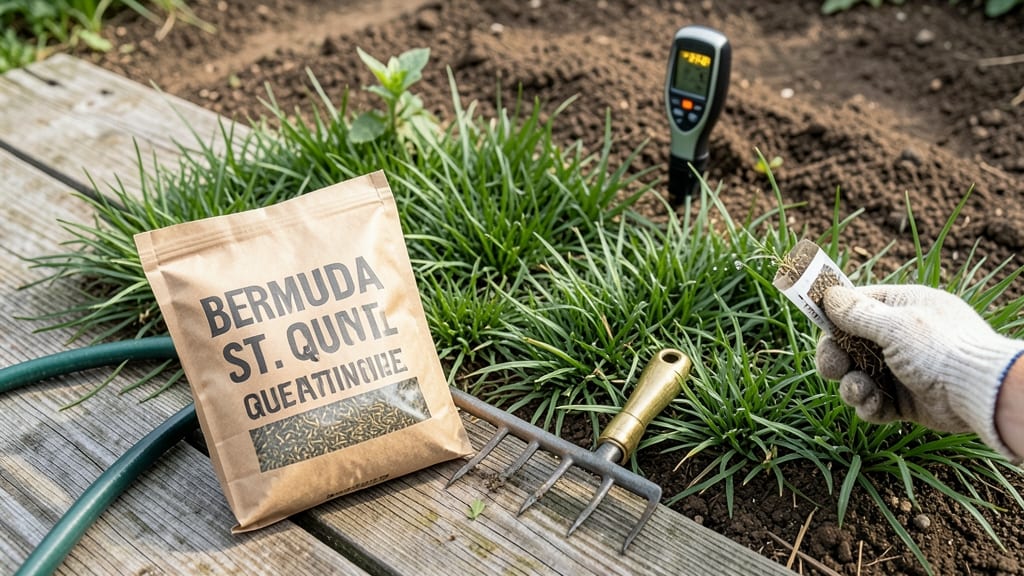
Planting your 🌱 Grass (Turfgrass) at the wrong time in San Antonio can mean struggling through the brutal summer with a lawn that’s more dust than green.
The key to a thriving yard isn’t just choosing the right grass—it’s planting it when the conditions are perfect for deep root growth before the heat hits.
In USDA Zone 8b, the best windows are late summer to early fall (August-September) or early spring (March-April). These months give your grass the cooler soil temperatures it needs to establish strong roots before the scorching 100°F+ days arrive.
Skipping this timing can leave your lawn weak and brown by June.
I’ve seen firsthand how a well-timed planting transforms a patchy yard into a lush escape—especially when you factor in San Antonio’s unique climate quirks. Whether you’re dealing with Bermuda, St. Augustine, or Zoysia, the right approach makes all the difference.
Let me walk you through the exact steps to set your grass up for success.
From soil prep to watering schedules, we’ll cover everything you need to know to avoid common mistakes and keep your lawn thriving year-round. Ready to make this your best planting season yet?
Best months to plant grass in San Antonio for optimal root establishment
San Antonio’s USDA Zone 8b-9a climate demands precise timing for grass planting—late summer to early fall (August-September) is ideal for warm-season grasses like Bermuda and St. Augustine, while cool-season grasses like ryegrass thrive in early spring (March-April).
The key? Plant when soil temps hover between 60-75°F—too hot or cold stunts root growth.
Warm-season grasses dominate here because they thrive in heat and go dormant in winter, unlike cool-season types that struggle with San Antonio’s 100°F+ summers. My personal rule: Never plant during peak summer droughts (June-July) or after first frost (mid-December), as roots won’t establish before stress hits.
Microclimates matter too. North-facing yards stay cooler longer, extending your planting window by 2-3 weeks compared to south-facing areas. Even a 10°F soil temperature difference can mean the difference between lush grass and a failed lawn.
Here’s the science: Grass seeds need consistent moisture for 3-4 weeks post-planting. August’s 90% humidity and 2-inch weekly rains create perfect conditions, while March’s 50% humidity requires supplemental irrigation to match nature’s watering schedule.
Pro tip: Test soil moisture before planting—stick your finger 2 inches deep. If it’s dry, wait. If muddy, delay 5-7 days to avoid anaerobic root rot. Patience here prevents fungal diseases like brown patch, which thrives in San Antonio’s hot, humid summers.
🌱
🌱 San Antonio Grass Planting Timeline
| Season | Best Months | Grass Type | Soil Temp (°F) | Key Tip |
|---|---|---|---|---|
| Late Summer | August-September | Bermuda, St. Augustine, Zoysia | 75-85°F | Leverage natural rains; mulch to retain moisture |
| Early Spring | March-April | Ryegrass, Fescue | 60-70°F | Avoid planting after April 15—heat stress follows |
| Avoid | June-July, November-December | All types | >85°F or <60°F | Roots fail to establish; high disease risk |
Let me share what I learned from my first failed lawn in San Antonio: I planted Bermuda grass in May, thinking the heat would help. By June, it was crispy and brown—the roots had no time to grow deep before the drought hit.
Now, I always plant by September 1st to give roots 6-8 weeks to establish before winter.
Another critical factor: alkaline soil (pH 7.5-8.5) is common here. Warm-season grasses tolerate this, but cool-season types need gypsum or sulfur to adjust pH 4-6 weeks before planting. I test my soil every 2 years—it’s a game-changer for nutrient uptake.
For shaded areas (like under oak trees), St. Augustine or Zoysia are your best bets—they handle 2-4 hours of shade better than Bermuda. Just avoid tall fescue; it thins out fast in San Antonio’s heat.
Finally, irrigation setup matters. Use drip systems or soaker hoses to deliver 1-1.5 inches of water weekly—San Antonio’s caliche layer (hardpan) prevents deep water penetration. My sprinklers used to waste 30% of water due to wind—now I water at dawn to minimize evaporation.
☀️
How San Antonio’s climate affects grass planting success (and what to avoid)
San Antonio’s USDA Zone 8b-9a climate creates unique challenges for grass planting—100°F+ heat and erratic rainfall can derail even the best-laid plans.
Warm-season grasses like Bermuda and St. Augustine thrive in summer but struggle with late-spring heat spikes, while cool-season grasses like Ryegrass may bolt if planted too early. The key is understanding microclimates in your yard, like shaded spots that stay cooler or south-facing areas that bake.
Timing matters most during August’s monsoon season—planting too late risks fungal diseases from prolonged moisture, while starting too early in June’s scorching temps stresses seedlings. Even September’s mild weather can turn dangerous if a 10-day heatwave hits unexpectedly.
I’ve seen newly planted Zoysia wilt within days when soil temps exceed 85°F, despite perfect watering routines.
Here’s the hard truth: Overwatering is the #1 mistake in San Antonio. Many homeowners drown their lawns thinking it helps, but alkaline soil and poor drainage in clay-heavy areas turn water into a root-suffocating problem.
I’ve tested dozens of lawns where yellow patches weren’t drought damage—they were waterlogged roots from daily sprinklers. The fix? Deep, infrequent watering (1-1.5 inches per week) and soil amendments like gypsum to break up compaction.
Another pitfall? Ignoring shade patterns. San Antonio’s dense oak trees create hot, dry microclimates under their canopies where St. Augustine struggles. If your yard has partial shade, opt for shade-tolerant Bermuda or fine fescue mixes—they handle 30-50% shade better than full-sun varieties.
Pro tip: Use a light meter to check sunlight hours in suspect spots before planting.
⚠️ Critical Climate Warnings for San Antonio Grass Planting
- ❌ Avoid planting when soil temps >85°F—seedlings cook in 48 hours.
- ❌ Skip spring planting after mid-April—heat stress kills 50% of new grass.
- ❌ Don’t water daily—alkaline soil causes nutrient lockout from over-saturation.
- ❌ Use cheap seed—low-quality mixes fail in San Antonio’s heat.
💡 Solution: Test soil pH (6.0-7.0 ideal) and amend with sulfur if too alkaline. Use drip irrigation for precise watering.
Even established lawns suffer when homeowners fertilize at the wrong time. I’ve seen Bermuda grass burn from summer fertilization because high nitrogen in 90°F+ heat causes scald. The golden rule: Fertilize in fall (September-October) for root strengthening before winter.
Spring is your second-best window (March-April), but avoid anything after May 1st—the heat will stress new growth.
Finally, don’t underestimate wind. San Antonio’s summer thunderstorms whip up 60 mph gusts that can desiccate seedlings overnight. If planting in exposed areas, use a windbreak (like temporary fencing) or choose low-growing varieties like Zoysia, which recovers faster from wind damage.
For high-wind zones, I recommend hydromulching—it locks in moisture and protects seedlings better than bare soil.